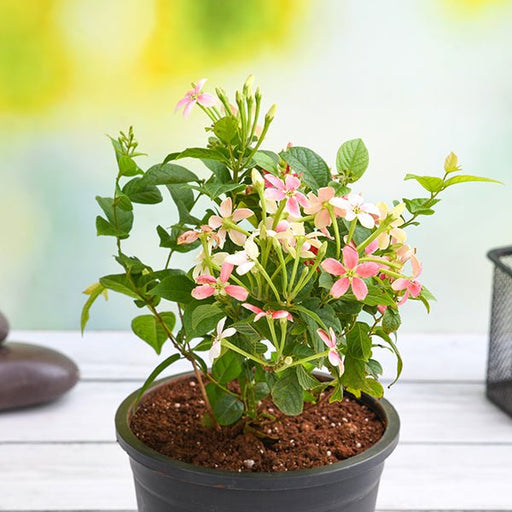
What is Hemigraphis repanda (Brown)?
Hemigraphis repanda, also known as the Red Flame Plant, is a stunning tropical beauty with vibrant, wavy leaves that can make any dull corner sizzle with style. This plant is not just a pretty face; it’s also a low-maintenance companion that thrives in indirect light, making it perfect for plant parents of all skill levels.
How do I care for Hemigraphis repanda?
Caring for Hemigraphis repanda is like giving your plant a spa day! Keep it in bright, indirect light, water when the top inch of soil is dry, and mist occasionally to maintain humidity. Fertilize every month during the growing season, and watch it flourish like it’s on a tropical vacation—minus the sunscreen!
What are the ideal growing conditions for Hemigraphis repanda?
Hemigraphis repanda loves to bask in bright, indirect light, but it’s not a fan of harsh sunbathing. Aim for temperatures between 60°F to 75°F, and keep humidity levels high. Think of it as a diva that thrives in a warm, humid environment—just like a tropical getaway without the plane ticket!
Can Hemigraphis repanda be grown indoors?
Absolutely! Hemigraphis repanda is the ultimate indoor plant, bringing a splash of color and flair to your living space. It thrives in pots on windowsills or shelves, as long as it gets that sweet, indirect light. Just remember, it’s not a fan of drafts—keep it cozy and it’ll reward you with lush growth!
Is Hemigraphis repanda pet-friendly?
Good news for pet parents! Hemigraphis repanda is non-toxic to cats and dogs, making it a safe choice for your furry friends. However, while it won’t harm them, it’s best to keep an eye on curious critters. After all, we wouldn’t want them mistaking it for a salad, would we?
How often should I water Hemigraphis repanda?
Watering Hemigraphis repanda is like a dance—find the rhythm! Allow the top inch of soil to dry out before giving it a drink. Typically, this means watering every week or so, but always check the soil first. Overwatering is a no-no; we want it to thrive, not drown in its own beauty!
What pests should I watch for on Hemigraphis repanda?
Keep an eye out for pesky pests like spider mites and aphids, who think they can crash the Hemigraphis party. Regularly inspect your plant and wipe its leaves to keep them shiny and pest-free. If you spot any uninvited guests, a gentle spray of insecticidal soap will send them packing!
Can I propagate Hemigraphis repanda?
Yes, you can! Propagating Hemigraphis repanda is as easy as pie. Simply take cuttings from healthy stems, place them in water or moist soil, and watch them root like they’re auditioning for a plant reality show. Soon, you’ll have new little green friends to share the love (and the spotlight)!
What is the growth rate of Hemigraphis repanda?
Hemigraphis repanda is a fast-growing plant, often adding new leaves like it’s in a race! Under optimal conditions, you can expect it to grow several inches a year. Just give it the right light, water, and a little love, and it’ll reward you with a lush, vibrant display that’s hard to resist.
Does Hemigraphis repanda need fertilizer?
Yes, Hemigraphis repanda enjoys a little extra love in the form of fertilizer! Feed it with a balanced liquid fertilizer every month during the growing season. Think of it as a gourmet meal for your plant—just the boost it needs to grow strong and vibrant, ready to steal the show in your home!
What are the common problems with Hemigraphis repanda?
Common issues with Hemigraphis repanda include yellowing leaves, which often signal overwatering, or leggy growth from insufficient light. If you notice these signs, adjust your care routine. Remember, every plant has its quirks—just like us! With a little attention, your Hemigraphis will be back to its fabulous self in no time.
How do I repot Hemigraphis repanda?
Repotting Hemigraphis repanda is a breeze! Choose a pot one size larger with good drainage, and gently remove the plant from its old home. Loosen any tightly bound roots, place it in fresh potting mix, and water it well. It’s like giving your plant a new apartment—just make sure it’s a cozy one!


 White Marble Pebbles (1 kg)
₹199
White Marble Pebbles (1 kg)
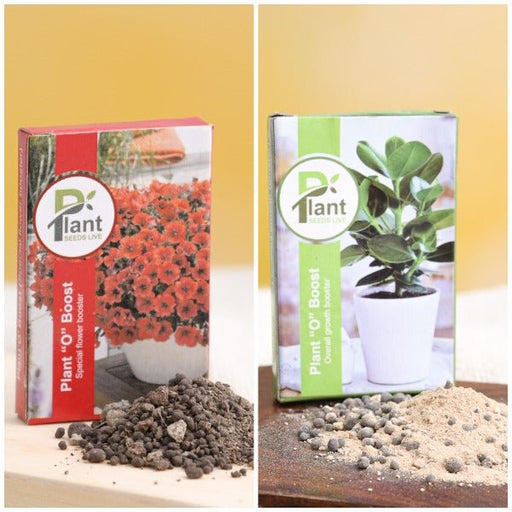
₹199 Plant O Boost — Growth Booster
₹239
Plant O Boost — Growth Booster
₹239 Garden Essential Plant Care Kit
₹599
Garden Essential Plant Care Kit
₹599