What is Dillenia Indica, Elephant Apple?
Dillenia Indica, commonly known as Elephant Apple, is a tropical tree native to Southeast Asia. Its large, green fruits resemble apples but pack a tangy punch. This tree is not just a pretty face; it’s a culinary delight and a natural remedy, making it the life of the garden party!
How do I grow Dillenia Indica?
Growing Dillenia Indica is like hosting a tropical fiesta! Plant it in well-drained soil with plenty of sunlight. Water it regularly, but don’t drown it—this isn’t a swimming pool party! With a little patience, you’ll have a stunning tree that’s the envy of your neighborhood.
What are the benefits of Elephant Apple?
Elephant Apple is a multitasker! Its fruits are rich in vitamins and antioxidants, making them a health superstar. They can be used in jams, chutneys, and even traditional medicines. Plus, the tree itself provides shade and beauty, so it’s like having a personal wellness retreat in your backyard!
Can I eat Elephant Apple?
Absolutely! But be prepared for a flavor adventure. The fruit is edible but has a unique tanginess that might surprise your taste buds. It’s often used in savory dishes or made into chutneys. Just remember, it’s not your average apple; it’s more of a culinary daredevil!
Is Dillenia Indica suitable for my garden?
If you have space and a sunny spot, Dillenia Indica is a fantastic addition! It can grow quite large, so make sure you’re ready for a tree that wants to be the star of the show. Just think of it as a tropical diva that needs room to shine!
How tall does Elephant Apple grow?
Dillenia Indica can reach heights of up to 30 feet, making it a towering presence in your garden. It’s like the gentle giant of the plant world, providing shade and beauty. Just be prepared for some serious pruning if you want to keep it in check!
What climate is best for Dillenia Indica?
Dillenia Indica thrives in tropical and subtropical climates, so think warm and sunny! It loves humidity and can’t stand frost, so if you live in a cooler area, consider it a vacation destination for your plant. It’s all about that tropical vibe!
How often should I water Elephant Apple?
Watering Dillenia Indica is like giving it a refreshing drink after a long day. Keep the soil moist but not soggy—think of it as a spa day for your plant. During dry spells, give it a little extra love, but don’t overdo it; nobody likes a waterlogged party!
What pests affect Dillenia Indica?
Dillenia Indica is generally pest-resistant, but it can attract the occasional uninvited guest like aphids or caterpillars. Keep an eye out for these party crashers and use organic pest control methods to send them packing. After all, you want your plant to enjoy its garden soirée!
Can I propagate Elephant Apple?
Yes, you can! Propagating Dillenia Indica is like starting a family reunion. You can do it through seeds or cuttings. Just ensure the cuttings are healthy and give them some love and care. Soon, you’ll have a whole clan of Elephant Apples to show off!
What is the best time to harvest Elephant Apple?
Harvesting Elephant Apple is best done when the fruits are mature but still firm. Typically, this is around late summer to early fall. Just remember, timing is everything—pick too early, and you’ll have a sour surprise; pick too late, and you might miss the party!
Are there any medicinal uses for Dillenia Indica?
Dillenia Indica is not just a pretty face; it’s also a herbal hero! Traditionally, its leaves and fruits have been used in folk medicine to treat various ailments, from digestive issues to skin problems. Just remember, while it’s great for your garden, consult a professional before using it as a remedy!


 White Marble Pebbles (1 kg)
₹199
White Marble Pebbles (1 kg)
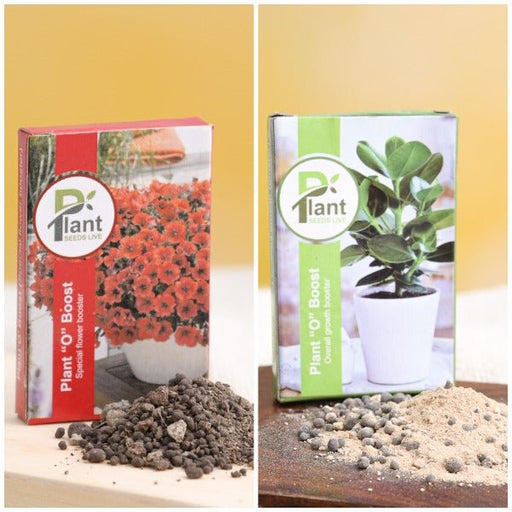
₹199 Plant O Boost — Growth Booster
₹239
Plant O Boost — Growth Booster
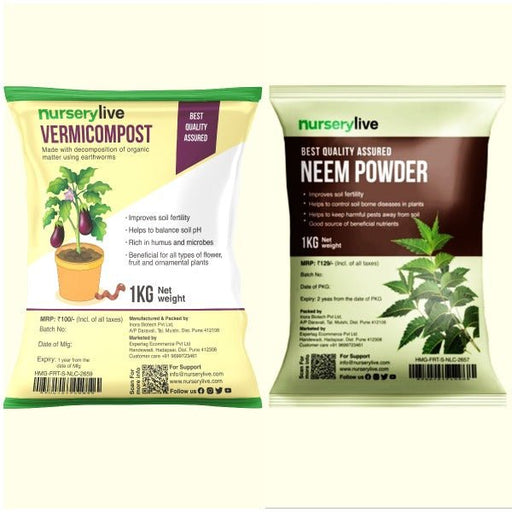
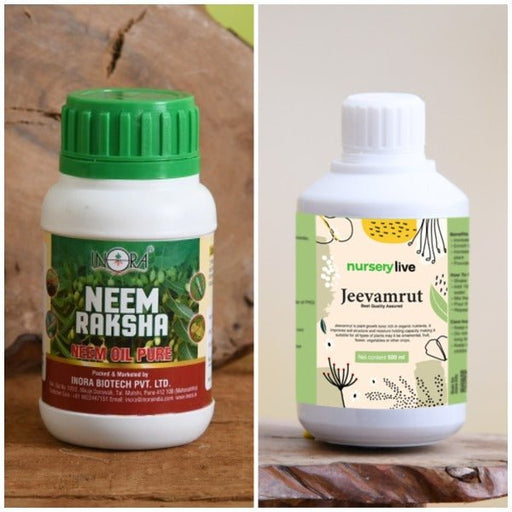
₹239 Garden Essential Plant Care Kit
₹599
Garden Essential Plant Care Kit
₹599