How much light does an Areca Palm need indoors in an Indian home?
The Areca Palm thrives in bright, indirect light, so an east or north-facing window is ideal. Avoid harsh direct afternoon sun, which scorches and browns the fronds; it can tolerate moderately lower light but growth slows noticeably.
How often should I water my Areca Palm during Indian summers versus monsoon?
In peak summer water 2-3 times a week, keeping the soil consistently moist but never waterlogged. During the monsoon cut back sharply and let the top inch dry between waterings, as excess moisture combined with humidity invites root rot.
Is the Areca Palm safe to keep in a bedroom with pets and children?
Yes, the Areca Palm is non-toxic to cats, dogs and children, making it a safe choice for bedrooms and living rooms. It is also noted for releasing oxygen and being one of the plants that helps freshen air at night.
Can I place my Areca Palm on a terrace or balcony that gets direct sun?
It can grow outdoors on a terrace or balcony but prefers filtered or morning sun rather than harsh midday exposure. Protect it from strong afternoon rays and hot dry winds, which cause frond tips to brown.
What kind of soil and pot suit an Areca Palm?
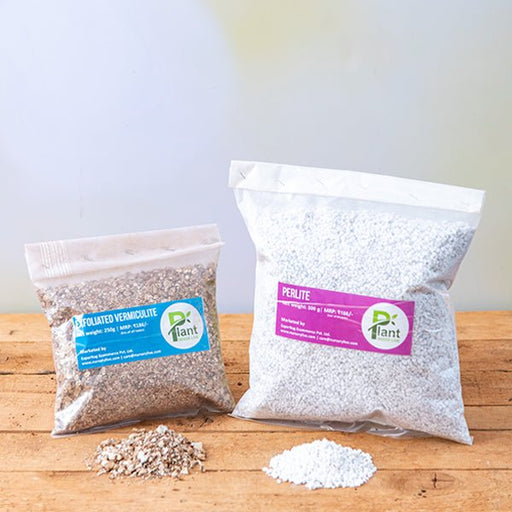
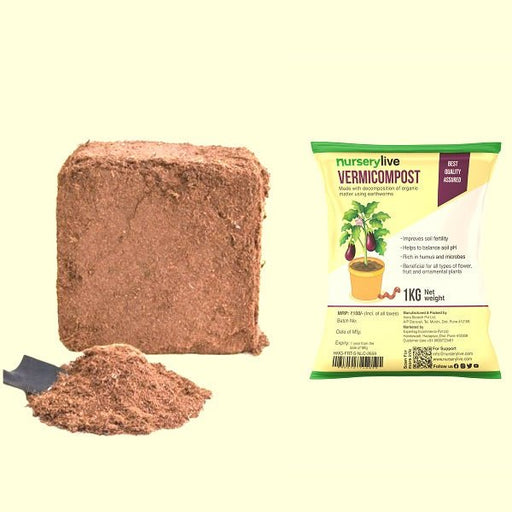
Use a well-draining mix of garden soil, cocopeat and compost with some sand or perlite so water never stagnates around the roots. Always choose a pot with drainage holes, as this palm hates sitting in soggy soil.
Why are the leaf tips of my Areca Palm turning brown?
Brown tips usually point to low humidity, dry air from AC or fans, or inconsistent watering. Mist the fronds occasionally, keep watering even, and avoid placing it directly in the path of an air conditioner or cooler.
How fast does an Areca Palm grow and how tall will it get?
Growth is moderate, roughly 2-3 feet per year under good conditions, so patience pays off. Indoors it can eventually reach a few feet tall, forming a graceful clump of arching feathery fronds.
How do I propagate my Areca Palm at home?
The easiest method is division: carefully separate a clump of stems with roots attached and pot it up separately. Do this during the warm growing season and keep the divisions in shade with moist soil until they establish.
How does the Areca Palm purify air and why is it called lucky?
The Areca Palm naturally filters common indoor toxins and boosts oxygen, which is why it is a popular air-purifying houseplant. In Vastu and Feng Shui traditions it is considered a plant that attracts positive energy and good luck into the home.
What fertiliser does an Areca Palm need and how often?
Feed with a balanced liquid fertiliser or diluted organic feed once every 4-6 weeks during the growing season from spring through the rains. Avoid feeding in winter when growth slows, and never over-fertilise, which can burn the roots.
How do I deal with spider mites or mealybugs on my Areca Palm?
Spider mites and mealybugs are the common pests, often appearing in hot dry conditions. Wipe the fronds, raise humidity, and spray neem oil or insecticidal soap every week until the infestation clears.
How should I care for my Areca Palm in Indian winter?
Reduce watering in winter as the plant grows slowly and soil stays wet longer. Keep it in a warm spot away from cold drafts and windows, and hold off on fertiliser until temperatures rise again.
Does the Areca Palm work well for indoor landscaping in offices?
Yes, its lush clumping fronds make it a favourite for offices, lobbies and living rooms as a natural screen or corner filler. It tolerates the indirect light of indoor spaces well and adds a tropical, decorative feel.
What size Areca Palm will arrive and is it ready to display?
NurseryLive ships a fully-grown, nursery-mature Areca Palm rather than a tiny sapling, so it is ready to place and flourish with no growing-in period. Give it a week to adjust to your home's light before expecting new growth.
Can the Areca Palm be grown permanently in a pot?
Absolutely, it grows very well in pots and is well-suited to containers for indoor and balcony use. Repot every 2-3 years into a slightly larger pot when roots start crowding, ideally at the start of the growing season.


 White Marble Pebbles (1 kg)
₹199
White Marble Pebbles (1 kg)
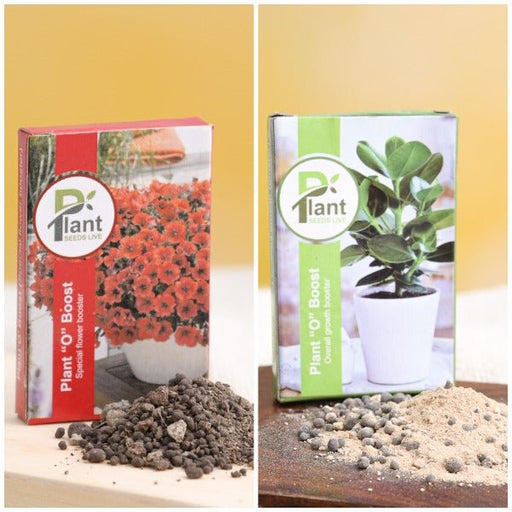
₹199 Plant O Boost — Growth Booster
₹239
Plant O Boost — Growth Booster
₹239 Garden Essential Plant Care Kit
₹599
Garden Essential Plant Care Kit
₹599