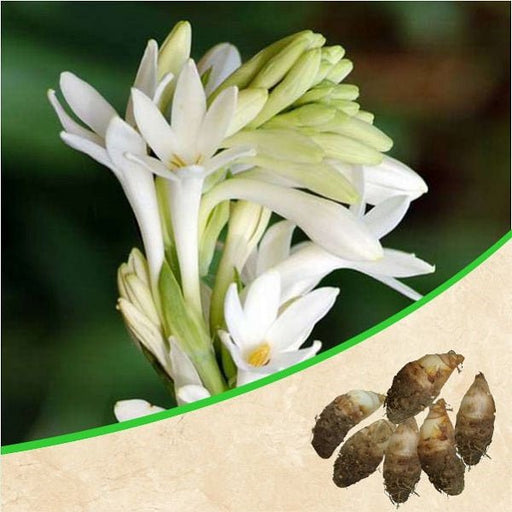
What is Rajnigandha, Tuberose - Bulbs (set of 10)?
Rajnigandha, or Tuberose, is the floral superstar of your garden! This set of 10 bulbs promises to transform your space into a fragrant paradise. With their stunning white blooms and intoxicating scent, they’ll have your neighbors green with envy and your garden buzzing with compliments.
How do I plant Rajnigandha bulbs?
Planting Rajnigandha bulbs is as easy as pie! Choose a sunny spot, dig a hole about 4 inches deep, and place the bulb with the pointed end up. Cover it with soil, water it gently, and voilà! You’re on your way to becoming the proud parent of beautiful blooms.
When is the best time to plant Tuberose bulbs?
Timing is everything! Plant your Tuberose bulbs in spring after the last frost, when the soil is warm and ready to party. This way, your bulbs will have the best chance to sprout and show off their stunning flowers all summer long. Get ready for a floral fiesta!
How often should I water Rajnigandha bulbs?
Watering is like a first date—don’t overdo it! Keep the soil moist but not soggy. A good rule of thumb is to water once a week, or more often if the weather is particularly hot. Your bulbs will thank you with a dazzling display of blooms!
Do Tuberose bulbs need sunlight?
Absolutely! Tuberose bulbs are sun worshippers. They thrive in full sunlight, so find a bright spot in your garden where they can soak up those rays. Just like us, they need their daily dose of sunshine to grow strong and produce those heavenly flowers.
How long does it take for Rajnigandha bulbs to bloom?
Patience is a virtue! After planting, expect your Tuberose bulbs to bloom in about 90 to 120 days. It’s like waiting for a fine wine to age—worth every moment! Soon, you’ll be rewarded with gorgeous flowers that will make your garden the talk of the town.
Can I grow Tuberose in pots?
Absolutely! Tuberose bulbs are versatile and love to strut their stuff in pots. Just ensure your container has good drainage and enough space for the bulbs to spread their roots. With a little love and care, you’ll have a portable garden of fragrant beauty!
What soil is best for Rajnigandha bulbs?
Rajnigandha bulbs prefer well-draining soil that’s rich in organic matter. Think of it as their five-star hotel! A mix of loamy soil with compost will keep them happy and thriving. Avoid heavy clay soils that can drown their dreams of blooming glory.
Are Tuberose bulbs perennial?
Yes, indeed! Tuberose bulbs are perennial, meaning they’ll return year after year, like that friend who never leaves the party. With proper care, they’ll keep blooming and filling your garden with their delightful fragrance, making them a fantastic investment for any garden enthusiast.
How do I care for Rajnigandha after blooming?
After the blooms fade, it’s time for a little TLC! Cut back the flower stalks but leave the foliage intact. Continue watering until the leaves yellow, then let the bulbs rest. Store them in a cool, dry place until it’s time to plant again. Easy peasy!
Can I use Tuberose in floral arrangements?
Absolutely! Tuberose is the diva of floral arrangements, adding elegance and a heavenly scent. Their long stems and beautiful blooms make them perfect for bouquets, centerpieces, or any occasion that calls for a touch of floral magic. Get ready to impress your guests!
Are Rajnigandha bulbs deer-resistant?
Yes, Tuberose bulbs are not on the deer’s menu! These fragrant beauties are often left alone by our four-legged friends, making them a great choice for gardens in deer-prone areas. Plant with confidence, and let your garden flourish without the worry of nibbling visitors!