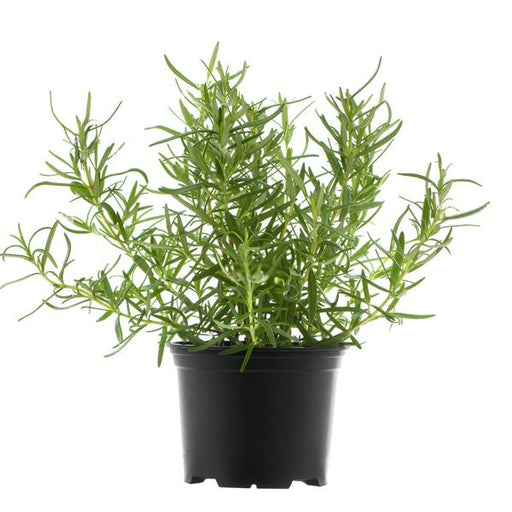
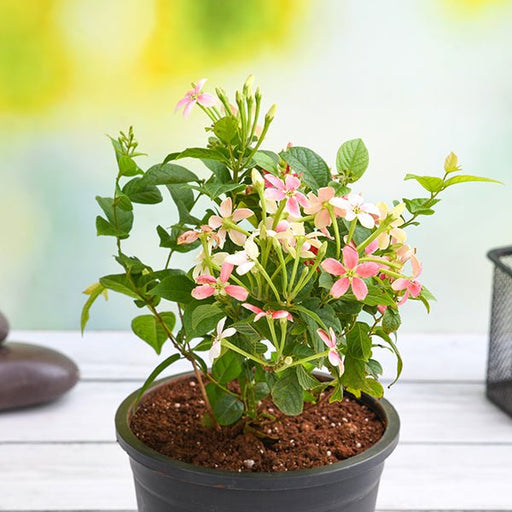
What is Diervilla Rivularis, Kodiak?
Diervilla Rivularis, Kodiak is a hardy, deciduous shrub known for its stunning foliage and resilience. With varieties like Black and Chocolate, it adds a splash of color to your garden while being low-maintenance. Think of it as the cool kid in the plant world—stylish, tough, and always ready to impress!
How do I care for Kodiak plants?
Caring for Kodiak plants is a breeze! They thrive in well-drained soil and prefer full sun to partial shade. Water them regularly, but don’t drown them—these beauties like to sip, not swim. Prune them in early spring to keep them looking sharp. It’s like giving them a stylish haircut!
What are the benefits of Diervilla Rivularis?
Diervilla Rivularis offers a buffet of benefits! It’s drought-tolerant, attracts pollinators, and provides stunning fall color. Plus, it’s a natural erosion controller. Plant it, and you’ll have a garden that’s not just pretty but also eco-friendly. Who knew being green could look so good?
Can Kodiak plants survive winter?
Absolutely! Kodiak plants are like the superheroes of the shrub world, braving winter with style. They’re hardy in USDA zones 3-7, so they can handle the cold without breaking a sweat. Just give them a little mulch for extra warmth, and they’ll be ready to shine come spring!
How fast do Kodiak plants grow?
Kodiak plants are not speed demons, but they do have a respectable growth rate of about 1-2 feet per year. Patience is key! In a few seasons, you’ll have a lush, vibrant shrub that’s the envy of the neighborhood. Good things come to those who wait, right?
Are Kodiak plants deer-resistant?
Yes, indeed! Kodiak plants are like the bouncers of your garden, keeping pesky deer at bay. Their tough leaves and unappealing taste make them less appealing to these four-legged munchers. So, plant with confidence—your garden will remain a deer-free zone, and you can enjoy your plants in peace!
What colors do Kodiak plants come in?
Kodiak plants flaunt a fabulous range of colors! The Black variety showcases deep, dark foliage, while the Chocolate variety offers a rich, warm hue. Both add a dramatic flair to your garden. It’s like having a fashion show right in your backyard—who doesn’t love a little color competition?
How do I propagate Diervilla Rivularis?
Propagating Diervilla Rivularis is as easy as pie! You can take softwood cuttings in late spring or early summer. Dip them in rooting hormone, plant them in moist soil, and watch them grow. It’s like cloning your favorite plant—just without the sci-fi drama!
What pests affect Kodiak plants?
Kodiak plants are pretty tough, but they can occasionally attract pests like aphids and spider mites. Don’t worry; a simple spray of insecticidal soap or neem oil will send them packing. Think of it as giving your plants a spa day—refreshing and pest-free!
Can Kodiak plants be used in landscaping?
Absolutely! Kodiak plants are the perfect landscaping companions. Use them as borders, in mass plantings, or as focal points. Their vibrant foliage and adaptability make them a versatile choice. They’ll have your garden looking like a designer’s dream in no time!
When is the best time to plant Kodiak?
The best time to plant Kodiak is in spring or early fall. This allows them to establish roots before the heat or frost kicks in. Just imagine them settling into their new home, ready to grow and thrive. It’s like moving into a cozy new apartment!
Do Kodiak plants attract pollinators?
Yes, indeed! Kodiak plants are like the party hosts of the garden, attracting bees and butterflies with their lovely flowers. Plant them, and you’ll have a buzzing, fluttering spectacle right outside your window. Who knew gardening could be such a social affair?


 White Marble Pebbles (1 kg)
₹199
White Marble Pebbles (1 kg)
₹199 Plant O Boost — Growth Booster
₹239
Plant O Boost — Growth Booster
₹239 Garden Essential Plant Care Kit
₹599
Garden Essential Plant Care Kit
₹599