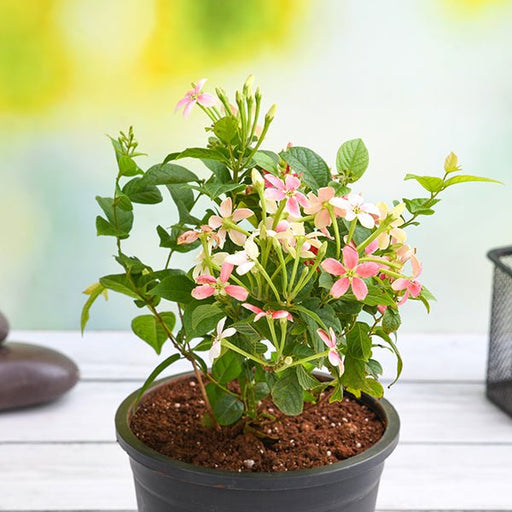
What are miniature roses?
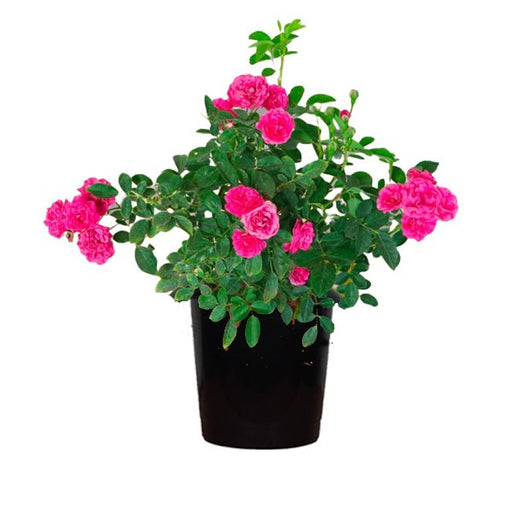
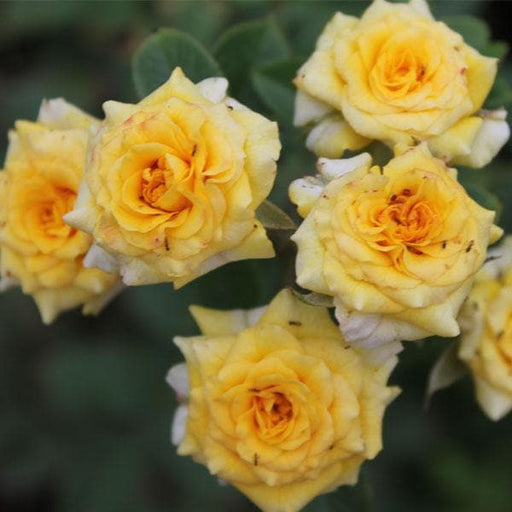
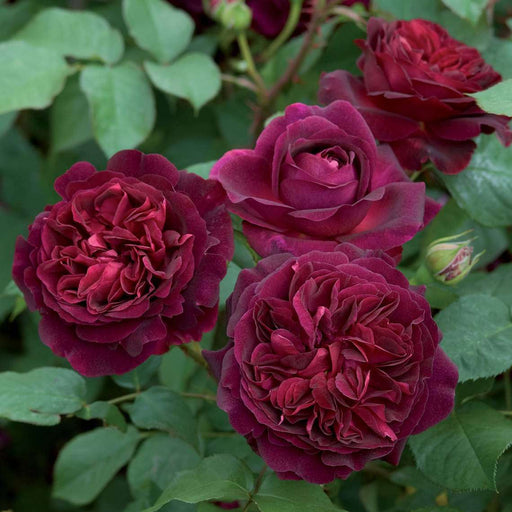
Miniature roses are a type of rose that are smaller in size than most other types of roses, and are often used for indoor decoration or in container gardens.
What are the different types of miniature roses?
There are several types of miniature roses, including single, double, miniature tree, patio, and groundcover varieties.
What is the difference between single and double miniature roses?
Single miniature roses have a single layer of petals, while double miniature roses have multiple layers of petals, giving them a fuller appearance.
What is a miniature tree rose?
A miniature tree rose is a type of miniature rose that has been trained to grow as a small tree, with a single stem and a canopy of foliage and blooms.
What is a patio miniature rose?
A patio miniature rose is a type of miniature rose that is bred specifically for growing in small containers or in tight spaces, such as on patios or balconies.
What is a groundcover miniature rose?
A groundcover miniature rose is a type of miniature rose that is bred specifically for growing as a low, spreading groundcover.
What are some popular miniature rose varieties in India?
Some popular miniature rose varieties in India include Red Cascade, Golden Showers, Starina, and Magic Carrousel.
How do I choose the right type of miniature rose for my garden?
When choosing the right type of miniature rose for your garden, consider factors such as the size and location of your garden, the amount of sunlight it receives, and your desired color and fragrance preferences.
How do I plant miniature roses?
Miniature roses should be planted in well-draining soil, with plenty of sunlight and water. They are ideal for container gardens and can be planted in small pots or hanging baskets.
How do I care for miniature roses?
To care for miniature roses, water them regularly, fertilize with rose-specific fertilizer, and prune as necessary.
What are some common diseases that affect miniature roses?
Some common diseases that affect miniature roses include black spot, powdery mildew, and rust.
How do I prevent diseases from affecting my miniature roses?
To prevent diseases from affecting your miniature roses, maintain good air circulation around the plants, water them from the base, and remove any infected leaves or stems immediately.
How do I control pests on my miniature roses?
To control pests on your miniature roses, use natural methods such as neem oil or soap water spray. You can also introduce beneficial insects such as ladybugs or lacewings to help control pests.
Can I buy miniature roses online?
Yes, you can buy miniature roses online from reputable nurseries or florists such as Nurserylive.
What are the benefits of buying miniature roses from Nurserylive?
Buying miniature roses from Nurserylive guarantees you quality plants that are healthy and disease-free. We also offer a wide range of varieties to choose from and provide expert guidance on how to take care of your plants.
How do I prune miniature roses?
To prune miniature roses, use clean and sharp pruning shears, remove any dead or diseased wood, and shape the plant as desired.
How do I deadhead miniature roses?
To deadhead miniature roses, use clean and sharp pruning shears, cut the spent blooms just above a leaf node or a healthy bud.
How often should I water my miniature roses?
Miniature roses should be watered regularly, but not too frequently. Water deeply once or twice a week, depending on the weather conditions and soil moisture levels.
How do I fertilize miniature roses?
To fertilize miniature roses, use a balanced fertilizer with a ratio of 10-10-10 or 20-20-20, and apply it every 4-6 weeks during the growing season.
How do I prepare my miniature roses for winter?
In India, miniature roses are a tropical plant and do not require special preparation for winter. However, you can reduce watering and fertilizing during the cooler months.
How do I revive a wilting miniature rose?
To revive a wilting miniature rose, water it deeply and prune any dead or diseased wood. You can also apply a foliar spray of seaweed extract to help stimulate growth.
How do I train my miniature rose to grow in a certain shape?
To train your miniature rose to grow in a certain shape, use pruning shears to shape the plant as desired, and tie it to a support structure such as a trellis or stake.
Can I grow miniature roses indoors?
Miniature roses can be grown indoors in a bright and sunny location, but they require extra care and attention.
How do I repot miniature roses?
To repot miniature roses, gently remove them from their current container, trim any damaged roots, add fresh soil and compost to the new container, and plant the miniature rose at the same depth as before.
How do I prepare my miniature rose for transplanting?
To prepare your miniature rose for transplanting, water it deeply a day or two before the transplanting, and prune any dead or diseased wood.
Can I prune my miniature rose in the summer?
Yes, you can prune your miniature rose in the summer, but avoid pruning it during the hottest part of the day and ensure that the plant is well-watered before and after pruning.
How do I ensure that my miniature rose blooms in the right color?
To ensure that your miniature rose blooms in the right color, choose a variety that produces the desired color, provide it with the right amount of sunlight and fertilizer, and monitor it for pests and diseases.
Can I use miniature roses for medicinal purposes?
Miniature roses are known to have several medicinal properties and are often used in traditional medicine for treating various ailments.
How do I harvest miniature roses for medicinal purposes?
To harvest miniature roses for medicinal purposes, wait until the flowers have fully bloomed, and then carefully cut them off at the base of the stem.
How do I propagate miniature roses?
Miniature roses can be propagated through stem cuttings or by division. To propagate through stem cuttings, take a cutting from a healthy plant, dip the cut end in rooting hormone, and plant it in well-draining soil. To propagate by division, carefully separate the plant into smaller sections and replant them in individual containers or in the ground.