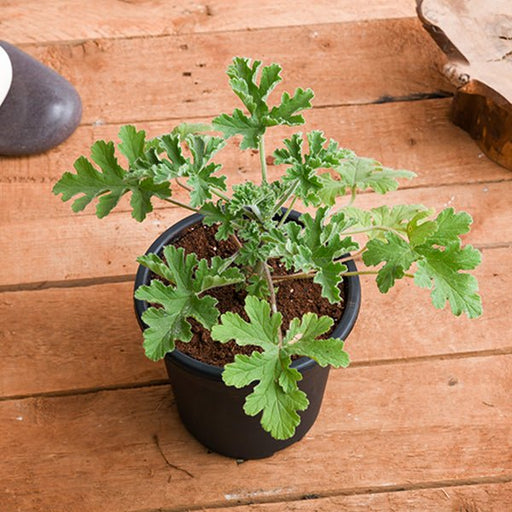
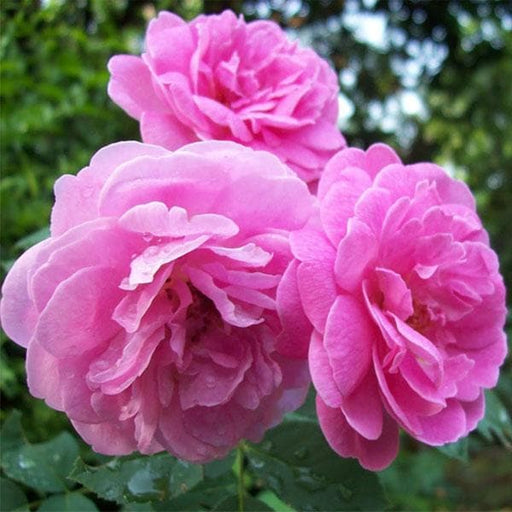
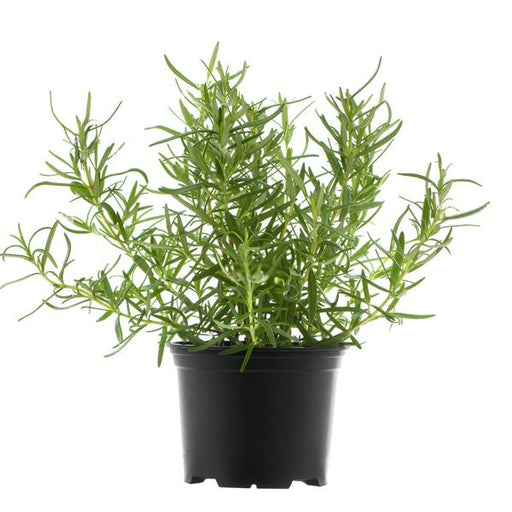
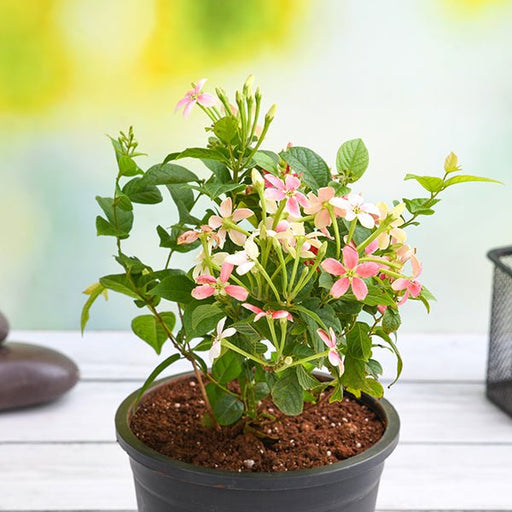
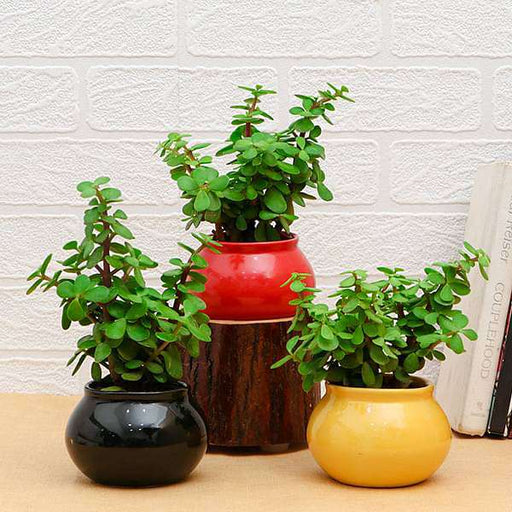
What colours of miniature roses come in this set of 3?
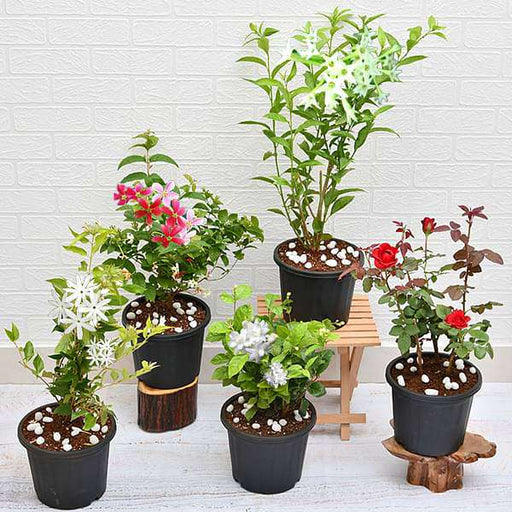
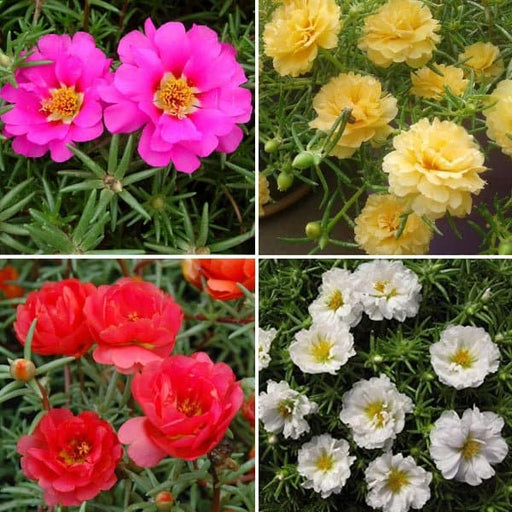
This bundle features three miniature rose varieties in a multi-colour mix, typically including pink, white, and yellow blooms. The exact shades may vary slightly with availability, but you receive a coordinated set for a colourful display.
How much sunlight do these miniature roses need on a balcony or terrace?
Miniature roses are sun-loving plants and need at least 5-6 hours of direct sunlight daily to flower well. A terrace, balcony, or outdoor spot with good morning sun is ideal, so tagged for outdoor and terrace placement.
When do these miniature roses bloom through the year?
These roses bloom from spring through autumn and, in India's mild climate, can flower across the summer, rainy, and winter seasons with proper care. Regular feeding and deadheading keep the flushes coming repeatedly.
Can I grow these miniature roses in pots for flower beds or landscaping?
Yes, they suit both potted growing and garden flower beds, and work well for landscaping edges and borders. Use a pot at least 20-25 cm wide with drainage holes, or space them in beds for a low, colourful edging.
How often should I water miniature roses in Indian summer?
During hot summers water daily or whenever the top inch of soil dries, as roses in pots dry out fast. Water at the base in the morning and avoid wetting the foliage to reduce fungal problems; ease off in cooler or rainy weather.
What soil is best for these potted miniature roses?
Roses need rich, well-draining soil, so mix garden soil with plenty of compost or well-rotted manure and some sand for drainage. Good drainage prevents root rot, while the organic matter fuels the repeat blooming.
How do I get more blooms from my miniature roses?
Deadhead spent flowers regularly and feed with a rose or bloom-boosting fertiliser every 2-3 weeks during the growing season. Full sun plus light pruning of weak stems keeps these low-maintenance roses flowering generously.
Are these miniature roses perennial and how long do they live?
Yes, roses are perennials and, with proper care, these plants live and bloom for many years. Annual pruning and feeding rejuvenate them each season so they keep performing year after year.
Why are the leaves on my miniature rose turning yellow?
Yellowing often comes from overwatering, poor drainage, or a lack of nutrients, and sometimes from too little sun. Check that the pot drains freely, water only when the topsoil dries, and feed regularly to green up the foliage.
How do I deal with pests like aphids or black spot on these roses?
Roses can attract aphids and develop black spot in humid weather, so inspect new growth regularly. Spray a mild neem oil solution for insects, remove affected leaves, and ensure good airflow, especially during the monsoon.
Do these roses need protection during the monsoon?
Constant rain and humidity can trigger fungal spots, so keep potted roses where excess water drains away and airflow is good. You can shift pots under cover during heavy downpours and avoid overhead watering to keep them healthy.
How should I prune miniature roses and when?
Prune lightly through the year by removing dead, weak, or crossing stems, with a harder cut back in late winter before the spring flush. Pruning encourages fresh, bushy growth and a stronger round of blooms.
What arrives when I order this Enchanting Miniature Roses set?
You receive three nursery-grown miniature rose plants ready to flourish, rather than tiny saplings needing a long grow-in. They arrive nursery-fresh so you can pot them up or plant them out and enjoy blooms soon after.
Can I propagate these miniature roses at home?
Yes, roses are commonly propagated from semi-hardwood stem cuttings taken during the milder months. Dip the cutting in rooting hormone, plant in a moist, well-draining mix, and keep it shaded and humid until roots form.
How large do these miniature roses grow and do they need repotting?
Miniature roses stay compact, usually well under half a metre, making them ideal for pots and small spaces. Repot every year or two into fresh soil, or when roots fill the pot, to keep them vigorous and free-flowering.