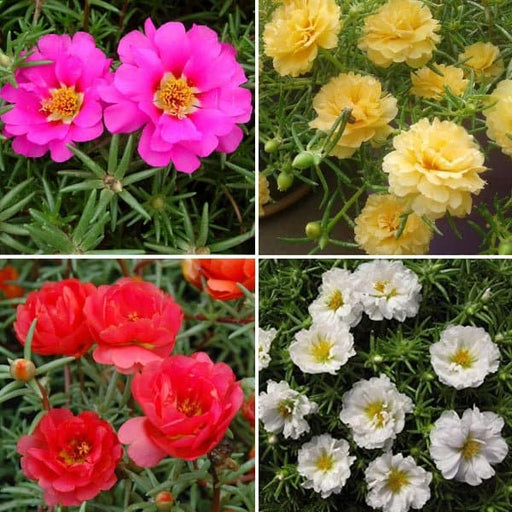
What are seeds?
Seeds are the reproductive structures of plants that contain genetic information and nutrients to support the growth of a new plant.
What types of seeds are available in India?
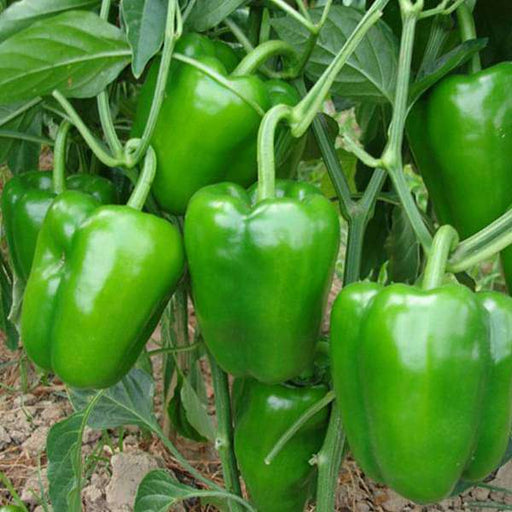
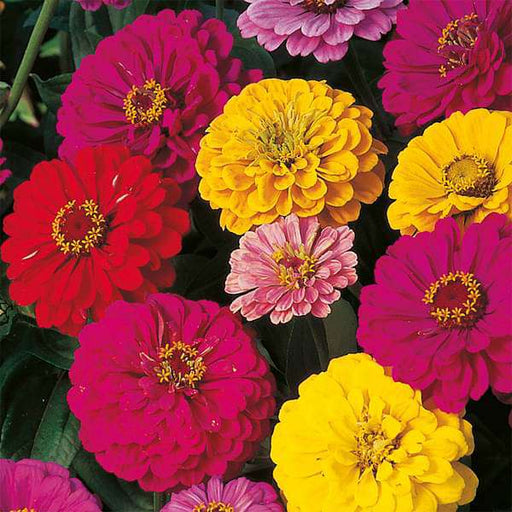
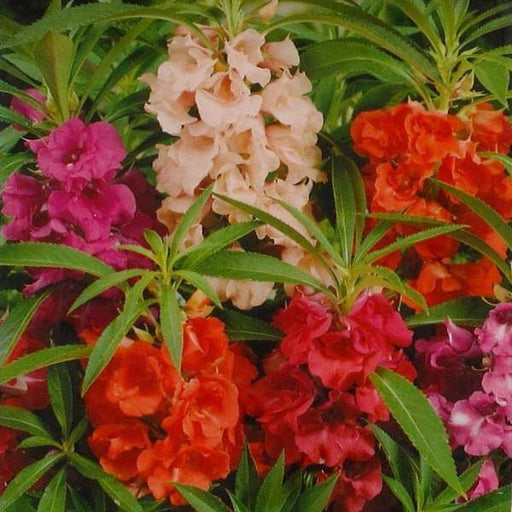
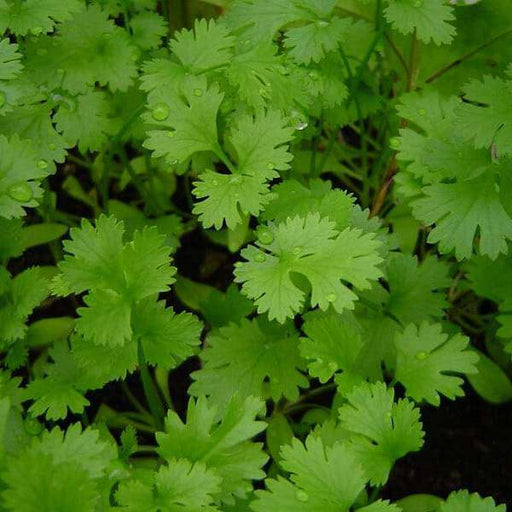
There are a variety of seeds available in India, including vegetable seeds, flower seeds, herb seeds, fruit seeds, and more.
What is the best time to sow seeds in India?
The best time to sow seeds in India varies depending on the type of seed and the region. Generally, it's best to sow seeds during the growing season for that particular plant.
How should I store my seeds?
Seeds should be stored in a cool, dry place to maintain their viability. It's important to keep them away from moisture and direct sunlight.
How long do seeds last?
The viability of seeds varies depending on the type of seed and how it is stored. Some seeds can last for several years, while others may only last for a few months.
How do I know if my seeds are viable?
To test the viability of your seeds, you can perform a germination test by placing a few seeds in a moist paper towel and checking to see if they sprout.
How deep should I plant my seeds?
The depth at which you should plant your seeds varies depending on the type of seed. Generally, seeds should be planted at a depth that is equal to or slightly deeper than their diameter.
How often should I water my seeds?
Seeds should be kept moist but not waterlogged. It's important to water them gently and avoid disturbing the soil.
How long does it take for seeds to germinate?
The time it takes for seeds to germinate varies depending on the type of seed and the growing conditions. Some seeds may germinate in as little as a few days, while others may take several weeks or even months.
How do I transplant my seedlings?
When transplanting seedlings, it's important to handle them carefully and plant them at the same depth they were growing in their previous container.
How do I fertilize my seeds?
Seeds do not need to be fertilized until they have germinated and started to grow. When fertilizing, it's important to use a balanced fertilizer and follow the instructions on the label.
Can I grow seeds indoors?
Yes, many types of seeds can be grown indoors. It's important to provide them with adequate light and proper growing conditions.
Can I save seeds from my plants?
Yes, seeds can be saved from plants for future use. It's important to harvest the seeds at the right time and store them properly.
What is the difference between organic and non-organic seeds?
Organic seeds are grown without the use of synthetic pesticides or fertilizers, while non-organic seeds may have been treated with these chemicals.
How do I choose the right seeds for my garden?
When choosing seeds, it's important to consider the growing conditions in your area and the type of plants you want to grow.
Can I grow plants from seeds I find in my grocery store produce?
Seeds from grocery store produce may not be viable or may be a different variety than what is labeled on the package. It's best to purchase seeds from a reputable source.
Can I plant seeds in pots or containers?
Yes, many types of seeds can be planted in pots or containers. It's important to choose a container with adequate drainage and provide proper growing conditions.
How do I prevent pests and diseases in my seedlings?
To prevent pests and diseases in seedlings, it's important to keep the growing area clean and avoid overwatering. You can also use organic pest control methods, such as neem oil or diatomaceous earth.
How do I know when to harvest seeds from my plants?
The time to harvest seeds varies depending on the type of plant. Generally, seeds should be harvested when they are fully mature and have turned brown or black.
How do I store seeds for the long term?
To store seeds for the long term, it's important to keep them in a cool, dry place and seal them in an airtight container. Some people also choose to store seeds in the freezer.
Can I grow seeds in a greenhouse?
Yes, seeds can be grown in a greenhouse. Greenhouses provide a controlled environment with optimal growing conditions.
What is the best soil for seedlings?
The best soil for seedlings is a well-draining soil that is rich in nutrients. It's important to avoid soil that is heavy or compacted.
Can I grow seeds in hydroponics?
Yes, many types of seeds can be grown in hydroponics. Hydroponics provides a soil-free growing environment that can be ideal for certain plants.
How do I know when to water my seeds?
Seeds should be watered when the soil begins to dry out. It's important to avoid overwatering, which can lead to root rot.
Can I plant seeds directly in the ground?
Yes, many types of seeds can be planted directly in the ground. It's important to prepare the soil properly and follow the planting instructions on the seed packet.
What is the difference between hybrid and heirloom seeds?
Hybrid seeds are created by crossing two different varieties of plants, while heirloom seeds are open-pollinated and have been passed down for generations.
Can I plant seeds in the summer?
Yes, many types of seeds can be planted in the summer. It's important to choose plants that can tolerate the heat and provide adequate water and shade.
How do I prevent my seeds from being eaten by birds?
To prevent birds from eating your seeds, you can cover them with a fine mesh or use a bird repellent spray.
Can I use seed tape for planting seeds?
Yes, seed tape can be a convenient way to plant seeds. Seed tape is a biodegradable strip that contains pre-spaced seeds, making planting easier.
How do I know if my seeds need more light?
If your seedlings are leggy or leaning towards the light, they may need more light. You can provide additional light with grow lights or by placing them in a sunnier location.