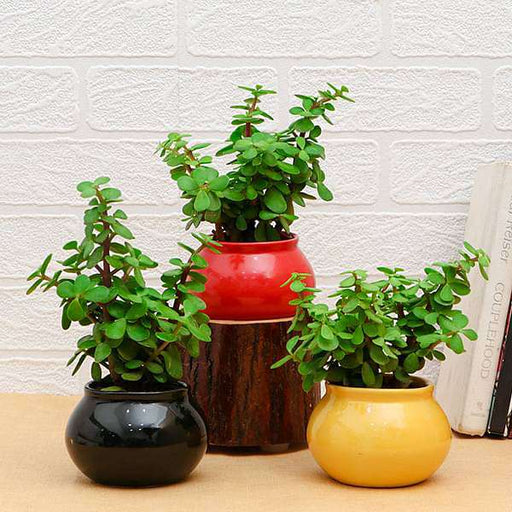
What is Kalanchoe (Red) - Plant?
Kalanchoe (Red) - Plant is a succulent superstar known for its vibrant red flowers and easy-going nature. This charming plant thrives on neglect, making it perfect for those who love greenery but lack a green thumb. Just give it some sunlight and occasional water, and it’ll reward you with a floral fiesta!
How do I care for Kalanchoe (Red) - Plant?
Caring for Kalanchoe (Red) - Plant is as easy as pie! Place it in bright, indirect sunlight, water it when the soil is dry, and avoid soggy feet. Fertilize sparingly during the growing season, and watch it bloom like it’s auditioning for a floral Broadway show. Just don’t overdo it; it’s not a diva!
Can Kalanchoe (Red) - Plant survive indoors?
Absolutely! Kalanchoe (Red) - Plant is the ultimate indoor companion. It thrives in bright light and can handle a bit of neglect, making it perfect for busy bees. Just ensure it gets enough sunlight, and it’ll brighten up your space like a tiny, cheerful sunbeam. Who needs a pet when you have this beauty?
How often should I water Kalanchoe (Red) - Plant?
Watering Kalanchoe (Red) - Plant is a delicate dance. Allow the soil to dry out completely between waterings, then give it a good drink. Typically, every 2-3 weeks is ideal, but always check the soil first. Overwatering is a no-no; this plant prefers to sip, not swim!
What type of soil is best for Kalanchoe (Red) - Plant?
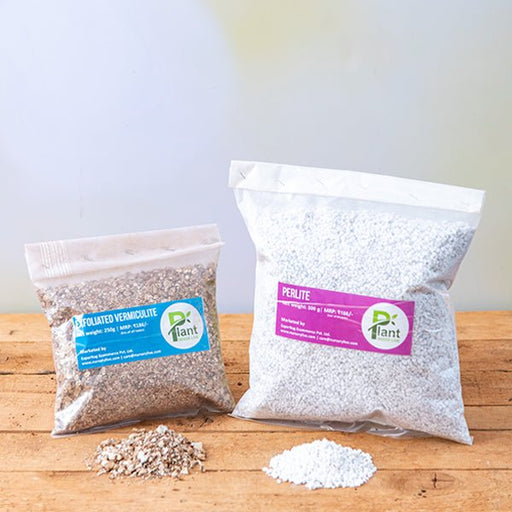
Kalanchoe (Red) - Plant loves a well-draining soil mix, like a succulent-specific blend or a cactus mix. Think of it as the plant equivalent of a luxury spa—no soggy conditions allowed! A little sand or perlite can help with drainage, ensuring your plant stays happy and healthy without feeling waterlogged.
Does Kalanchoe (Red) - Plant need fertilizer?
Kalanchoe (Red) - Plant isn’t a high-maintenance diva, but a little fertilizer can boost its performance. Use a balanced, diluted fertilizer during the growing season, about once a month. Think of it as a little pick-me-up, but don’t overdo it; too much can lead to a case of the “too much of a good thing” blues!
Is Kalanchoe (Red) - Plant toxic to pets?
Yes, Kalanchoe (Red) - Plant is toxic to pets, so keep it out of their reach. If your furry friend decides to take a nibble, it could lead to some tummy troubles. Better safe than sorry—opt for pet-friendly plants if your home is a zoo. Your Kalanchoe will thank you for the peace!
How long does Kalanchoe (Red) - Plant bloom?
Kalanchoe (Red) - Plant typically blooms for several weeks, usually in late winter to early spring. It’s like a floral party that lasts just long enough to brighten your day! After blooming, it may take a break, but with proper care, it’ll be back for an encore performance. Keep the spotlight on it!
Can I propagate Kalanchoe (Red) - Plant?
Absolutely! Propagating Kalanchoe (Red) - Plant is as easy as pie. Simply take a leaf or stem cutting, let it dry for a day, then plant it in well-draining soil. Water sparingly, and soon you’ll have a mini Kalanchoe army ready to take over your home. Who knew sharing could be this fun?
What pests should I watch for on Kalanchoe (Red) - Plant?
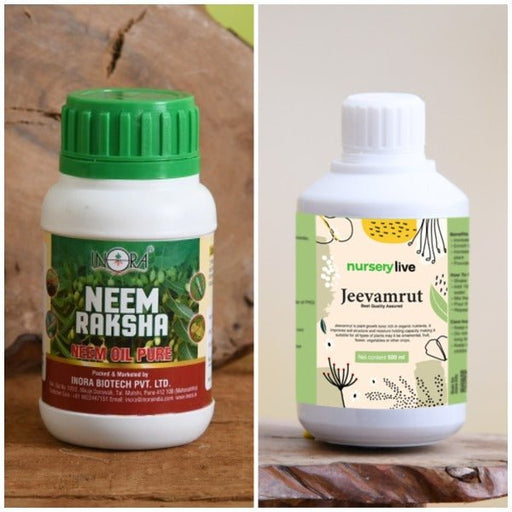
Kalanchoe (Red) - Plant can attract pesky pests like mealybugs and aphids. Keep an eye out for these little intruders; they can be as annoying as a fly at a picnic. If you spot them, a gentle wipe with soapy water or neem oil will send them packing. Your plant deserves a pest-free life!
How do I encourage more blooms on Kalanchoe (Red) - Plant?
To coax more blooms from your Kalanchoe (Red) - Plant, give it a little TLC. Ensure it gets plenty of bright light, and don’t overwater. A little pruning after blooming can stimulate new growth. Think of it as a motivational pep talk—your plant will be blooming like it’s training for a floral marathon!


 White Marble Pebbles (1 kg)
₹199
White Marble Pebbles (1 kg)
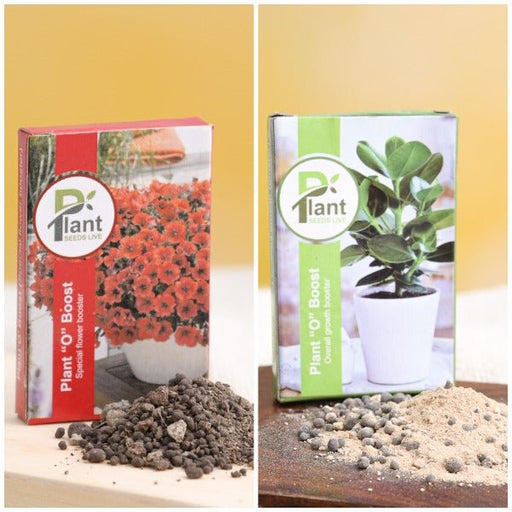
₹199 Plant O Boost — Growth Booster
₹239
Plant O Boost — Growth Booster
₹239 Garden Essential Plant Care Kit
₹599
Garden Essential Plant Care Kit
₹599