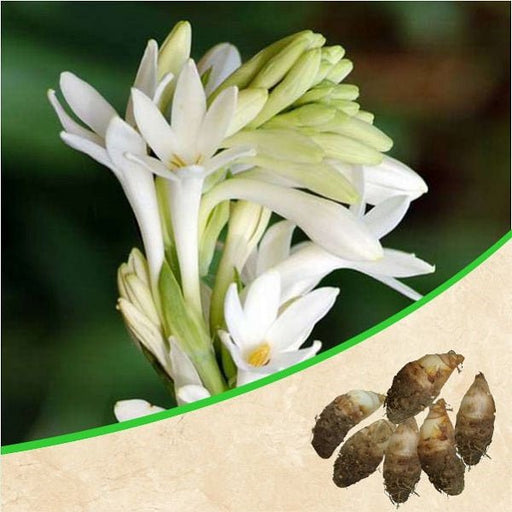
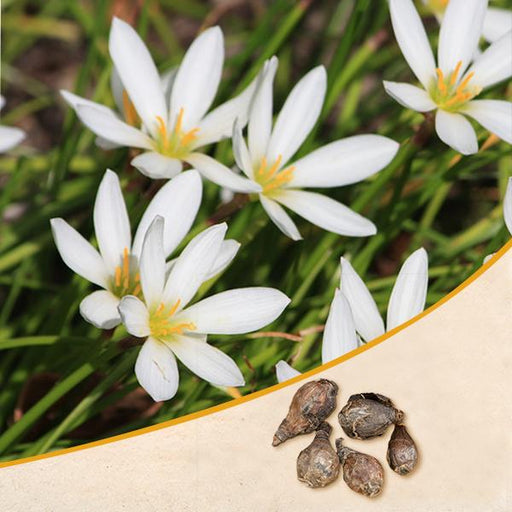
What is a Hyacinth (White Multiflora) bulb?
Hyacinth (White Multiflora) bulbs are the charming little powerhouses of spring! These bulbs bloom into stunning clusters of white flowers, filling your garden with delightful fragrance and elegance. Plant them in well-drained soil, and watch as they transform your outdoor space into a floral wonderland. Who knew bulbs could be so fabulous?
How many bulbs are in a set?
A set of Hyacinth (White Multiflora) bulbs typically includes five bulbs. That’s right, five! Enough to create a lovely display or to share with a friend who needs a little floral inspiration. Just imagine the joy of planting these beauties and watching them bloom together in perfect harmony. Talk about a blooming good time!
When is the best time to plant them?
The best time to plant Hyacinth (White Multiflora) bulbs is in the fall, about six weeks before the ground freezes. This gives them time to settle in and prepare for their grand spring debut. So, grab your gardening gloves and get planting! Your future self will thank you when spring arrives with a floral fiesta.
How deep should I plant the bulbs?
Plant your Hyacinth (White Multiflora) bulbs about 6 to 8 inches deep. Think of it as tucking them in for a cozy winter nap! Just make sure the pointed end is facing up, or they might get confused and try to grow sideways. We wouldn’t want any rebellious bulbs in the garden, would we?
Do they require special care?
Hyacinth (White Multiflora) bulbs are pretty low-maintenance, but they do appreciate a little TLC. Water them well after planting, and keep the soil moist but not soggy. Once they bloom, deadhead the flowers to encourage more growth. With a little love, these bulbs will reward you with a spectacular show of blooms!
Can I grow them in pots?
Absolutely! Hyacinth (White Multiflora) bulbs are pot-friendly and love to strut their stuff in containers. Just ensure your pot has drainage holes and use quality potting soil. Plant them as you would in the ground, and soon you’ll have a portable garden that can brighten up any corner of your home or patio!
How long do they take to bloom?
After planting, Hyacinth (White Multiflora) bulbs typically take about 6 to 10 weeks to bloom. It’s like waiting for a surprise party, but with flowers! Keep an eye on them as they grow, and soon you’ll be rewarded with a stunning display of white blooms that will make your heart sing. Patience is a virtue!
Are they fragrant?
Oh, you bet they are! Hyacinth (White Multiflora) bulbs are known for their intoxicating fragrance that wafts through the air, making your garden feel like a floral paradise. Their sweet scent is perfect for attracting pollinators and charming anyone who strolls by. Just be prepared for compliments; your garden will be the talk of the town!
Can they survive winter?
Yes, indeed! Hyacinth (White Multiflora) bulbs are hardy little fellows that can survive winter in most climates. Just make sure to plant them deep enough and provide some mulch for insulation. They’ll hibernate peacefully underground, ready to burst forth in a glorious display come spring. Winter is just a pit stop on their blooming journey!
How do I store them after blooming?
After blooming, let the foliage die back naturally; it’s like a well-deserved vacation for the bulbs! Once the leaves turn yellow, you can dig them up and store them in a cool, dry place. Just remember to keep them in a breathable bag, like a paper sack, to avoid mold. They’ll be ready for their next adventure!
Can I replant them every year?
Yes, you can! Hyacinth (White Multiflora) bulbs can be replanted each year, but they may not bloom as vibrantly after the first season. To keep the party going, consider planting new bulbs annually for a fresh burst of color. Think of it as a floral rotation—keeping your garden lively and full of surprises every spring!
Are they deer resistant?
While no plant is entirely deer-proof, Hyacinth (White Multiflora) bulbs are generally less appealing to our four-legged friends. Their strong fragrance and taste tend to deter deer, making them a safer choice for your garden. However, if the deer are particularly hungry, they might still take a nibble. Keep your garden guarded, just in case!