What are vegetable plant seeds?
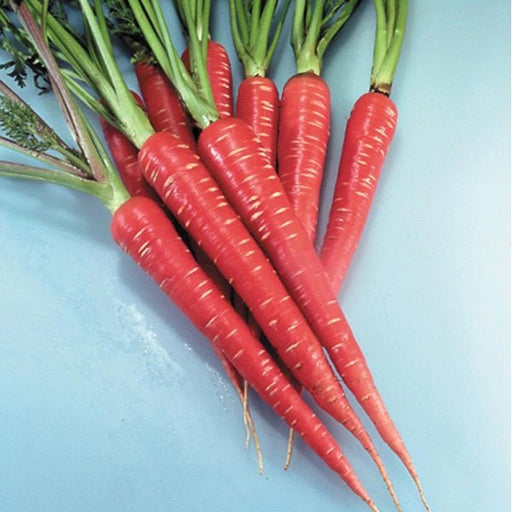
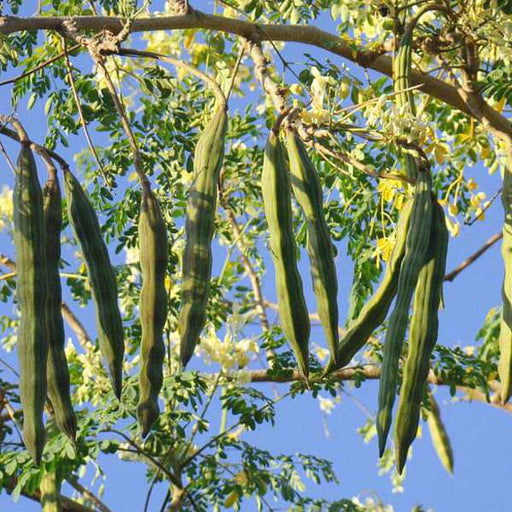
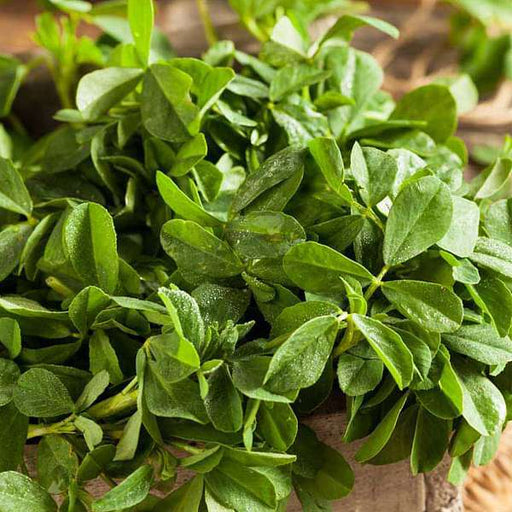
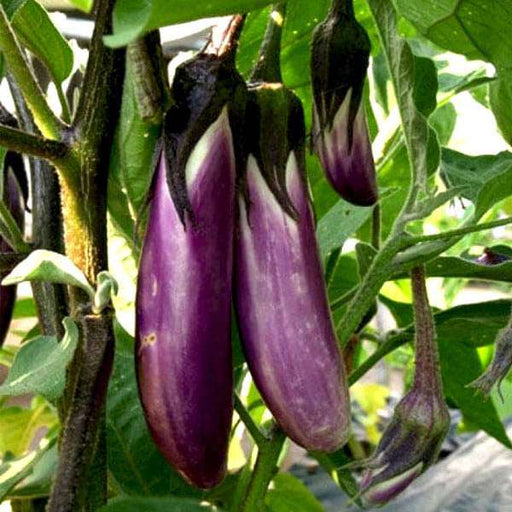
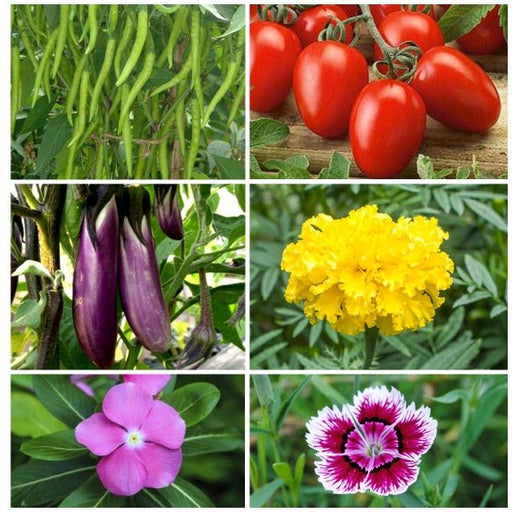
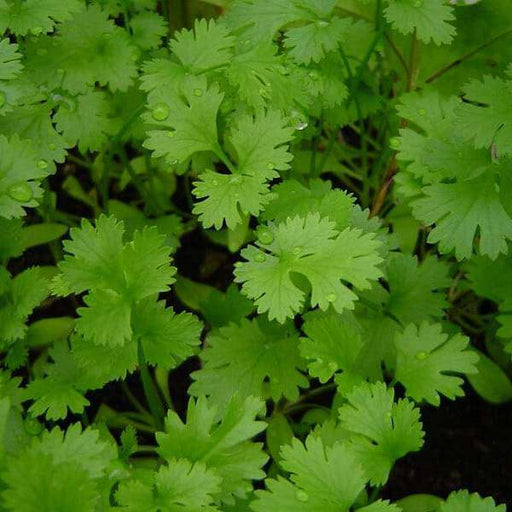
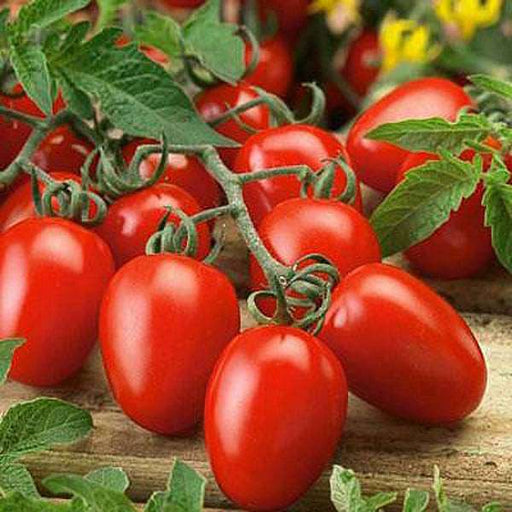
Vegetable plant seeds are the reproductive material of vegetable plant species that contains the genetic information required to produce a new plant. They come in different shapes, sizes, and textures depending on the type of vegetable plant species.
How do I choose the right vegetable plant seeds for my garden?
When choosing vegetable plant seeds for your garden, consider factors such as the climate in your region, the amount of sunlight and water your garden receives, and the type of soil in your garden.
How do I prepare my garden for vegetable plant seeds?
Preparing your garden for vegetable plant seeds involves removing any existing weeds, tilling the soil, and adding organic matter to improve soil quality.
How do I plant vegetable plant seeds?
Vegetable plant seeds can be planted by hand or with a seed planter. It's important to water the garden regularly to keep the soil moist until the vegetable plant seeds have germinated.
How long does it take for vegetable plant seeds to germinate?
The germination time for vegetable plant seeds varies depending on the species and the conditions. Some vegetable plant species may germinate within a few days, while others may take several weeks.
How often should I water newly planted vegetable plant seeds?
Newly planted vegetable plant seeds should be watered regularly to keep the soil moist but not saturated. Overwatering can lead to rot and fungal growth, which can harm the seeds.
How often should I water established vegetable plants?
Established vegetable plants should be watered deeply and infrequently to encourage deep root growth. The frequency of watering depends on the climate and soil conditions.
How do I fertilize vegetable plants?
Fertilizing vegetable plants involves providing them with the necessary nutrients to support healthy growth. You can use organic or chemical fertilizers, depending on your preferences and the needs of the plants.
What are the benefits of growing vegetables at home?
Growing vegetables at home helps to provide fresh, healthy produce, reduce food waste, and save money on grocery bills. It also provides a fun and rewarding activity for the whole family.
How do I prevent pests and diseases in my vegetable garden?
Preventing pests and diseases in your vegetable garden involves proper care and maintenance, including regular watering, fertilizing, and pruning. You can also use organic or chemical treatments to prevent and control pests and diseases.
What are the common pests and diseases that affect vegetable plants?
Common pests include aphids, caterpillars, and beetles, while common diseases include powdery mildew, bacterial spot, and root rot.
How do I prevent weeds in my vegetable garden?
Preventing weeds in your vegetable garden involves using mulch, hoeing or hand-pulling weeds, and applying herbicides.
How do I choose the right vegetables for my garden?
When choosing vegetables for your garden, consider factors such as the climate in your region, the amount of sunlight and water your garden receives, and the type of soil in your garden. You should also consider the time of year and how long the growing season is.
How do I control the size of my vegetable plants?
Controlling the size of your vegetable plants involves pruning or training the plants, and providing the right amount of water and nutrients.
How do I harvest my vegetables?
Harvesting vegetables involves picking the produce at the right time and using the right tools. It's important to handle the produce carefully to avoid damaging it.
How do I store my vegetables?
Storing vegetables involves keeping them in a cool, dry place with low humidity. Some vegetables can also be stored in the refrigerator or freezer.
How do I preserve my vegetables?
Preserving vegetables involves methods such as canning, pickling, and dehydrating. These methods help to extend the shelf life of vegetables and prevent food waste.
How do I save seeds from my vegetable plants?
Saving seeds from your vegetable plants involves allowing the plant to mature and produce seeds, then collecting and drying the seeds. The seeds can be stored for future planting.
How do I prevent cross-pollination between different vegetable plant species?
Preventing cross-pollination involves planting different vegetable plant species far apart from each other or separating them with barriers such as mesh or plastic sheeting.
Can I grow vegetables in containers?
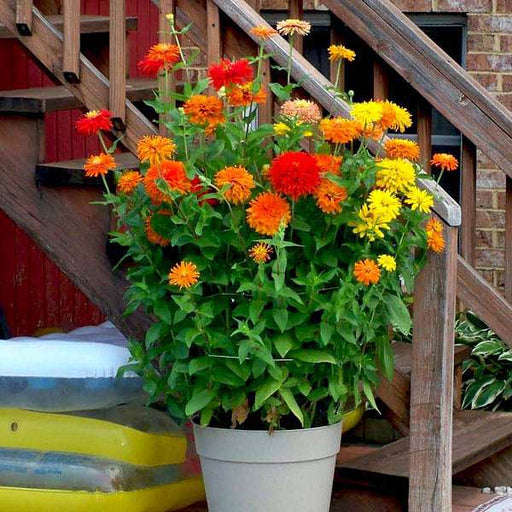
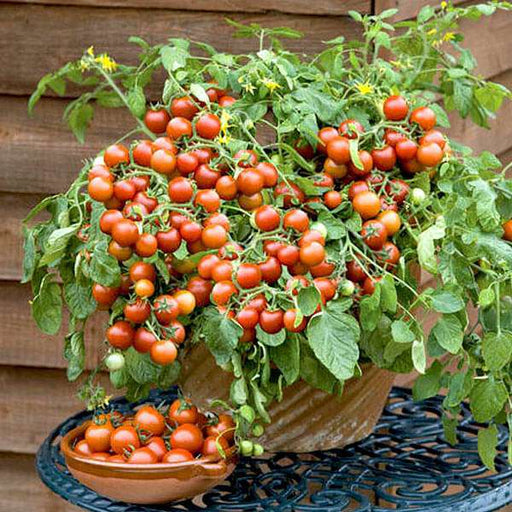
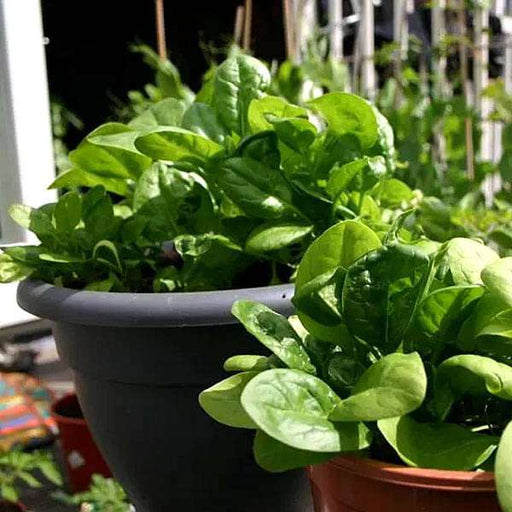
Yes, many vegetable plant species can be grown in containers as long as the container is large enough and the plants receive proper care and maintenance.
How do I choose the right size container for growing vegetables?
The size of the container depends on the size of the plant and the size of the root system. As a general rule, the container should be at least twice the size of the root ball.
How do I care for vegetables in a container?
Caring for vegetables in a container involves regular watering, fertilizing, and pruning to ensure healthy growth. It's also important to protect the plants from pests and diseases.
How do I transplant vegetable plants?
Transplanting vegetable plants involves carefully removing the plant from its original location and replanting it in a new location. It's important to avoid damaging the roots during the transplant process.
How do I prevent soil-borne diseases in my vegetable garden?
Preventing soil-borne diseases in your vegetable garden involves proper care and maintenance, including crop rotation, using disease-resistant plant varieties, and maintaining proper soil pH levels.
How do I choose the right plant spacing for my vegetable garden?
When choosing plant spacing for your vegetable garden, consider factors such as the size of the plant at maturity, the soil quality, and the climate in your region. Proper spacing allows for healthy growth and prevents overcrowding.
How do I protect my vegetable garden from extreme weather conditions?
Protecting your vegetable garden from extreme weather conditions involves using methods such as mulching, providing shade, and covering the plants during harsh weather events.
How do I prepare my vegetable garden for winter?
Preparing your vegetable garden for winter involves removing any remaining plant material, mulching the soil, and protecting the soil from erosion.
How do I choose the right vegetable plant varieties for a small garden?
When choosing vegetable plant varieties for a small garden, consider factors such as the size of the plant at maturity, the yield of the plant, and the space available. You can also choose plant varieties that are well-suited for container gardening.
How do I troubleshoot problems in my vegetable garden?
Troubleshooting problems in your vegetable garden involves identifying the issue, researching potential causes, and implementing appropriate solutions such as organic or chemical treatments.
How do I find a reputable vegetable plant seed supplier?
When looking for a reputable vegetable plant seed supplier, consider factors such as their selection of seeds, their experience and expertise, and their customer reviews and testimonials. You should also check if they are certified and licensed by local authorities. At NurseryLive, we offer a wide selection of high-quality vegetable plant seeds and our team of experts is available to answer any questions you may have.