What are Gladiolus (Royal Blue) bulbs?
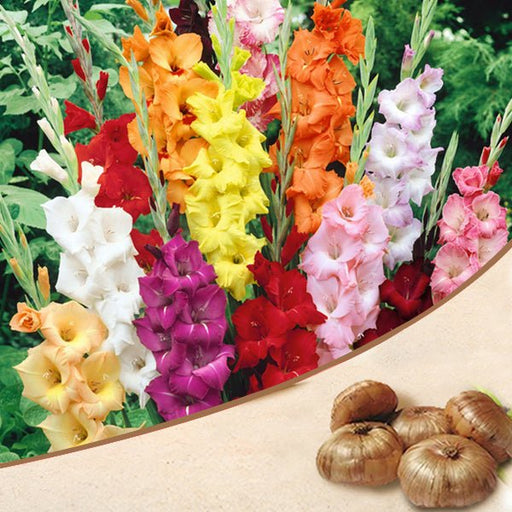
Gladiolus (Royal Blue) bulbs are the fabulous floral stars of your garden! These stunning bulbs produce tall spikes adorned with vibrant blue flowers, adding a splash of color and elegance. Perfect for cutting gardens or borders, they’ll have your neighbors green with envy. Just plant, water, and watch the magic unfold!
How do I plant Gladiolus (Royal Blue) bulbs?
Planting Gladiolus (Royal Blue) bulbs is as easy as pie! Choose a sunny spot, dig a hole about 4-6 inches deep, and place the bulb with the pointed end up. Space them about 6-8 inches apart for a dazzling display. Cover with soil, water, and let the show begin—no green thumb required!
When is the best time to plant Gladiolus (Royal Blue) bulbs?
Timing is everything! Plant your Gladiolus (Royal Blue) bulbs in the spring after the last frost. They love warm weather, so wait until the soil temperature reaches around 60°F. This way, they’ll bloom in all their glory during summer, making your garden the talk of the town. Get ready for a floral fiesta!
How often should I water Gladiolus (Royal Blue) bulbs?
Watering Gladiolus (Royal Blue) bulbs is like giving them a spa day! Keep the soil consistently moist but not soggy. Water them once a week, or more during dry spells. Just remember, they prefer a drink over a swim—too much water can lead to bulb rot. Cheers to happy, hydrated flowers!
Do Gladiolus (Royal Blue) bulbs need sunlight?
Absolutely! Gladiolus (Royal Blue) bulbs are sun worshippers. They thrive in full sun, so choose a spot that gets at least 6 hours of sunlight daily. This will ensure they grow tall and strong, flaunting their royal blue blooms like the divas they are. Sunlight is their secret to floral fame!
How long do Gladiolus (Royal Blue) blooms last?
Gladiolus (Royal Blue) blooms are the life of the party, lasting about 1-2 weeks once they open. However, if you cut them for a bouquet, they can last even longer in a vase with fresh water. Just remember to snip them in the morning for the best blooms—floral etiquette, darling!
Can I grow Gladiolus (Royal Blue) in pots?
Absolutely! Gladiolus (Royal Blue) bulbs are pot-friendly and love to strut their stuff in containers. Just ensure your pot has drainage holes and use quality potting soil. They’ll thrive on your patio or balcony, bringing a touch of royal elegance to your outdoor space. Who says you need a garden for glam?
Are Gladiolus (Royal Blue) bulbs perennial?
Gladiolus (Royal Blue) bulbs are technically tender perennials, but they’re often treated as annuals in colder climates. In warmer zones, they can return year after year with a little TLC. If you want them to stick around, dig them up before frost and store them in a cool, dry place. A little effort for lasting beauty!
How do I care for Gladiolus (Royal Blue) after they bloom?
Once your Gladiolus (Royal Blue) blooms fade, it’s time for a little post-party cleanup! Cut the spent flowers to encourage new growth, but leave the foliage until it turns yellow. This allows the bulbs to store energy for next year’s show. Think of it as a well-deserved rest before the encore!
Are Gladiolus (Royal Blue) bulbs deer resistant?
While no plant is entirely deer-proof, Gladiolus (Royal Blue) bulbs are not on the top of a deer’s dinner menu. Their vibrant colors and tall stature may deter these four-legged munchers. However, if you have a particularly hungry herd, consider using repellents or planting alongside less tasty companions. A little strategy goes a long way!
Where can I buy Gladiolus (Royal Blue) bulbs?
You can find Gladiolus (Royal Blue) bulbs at local garden centers, nurseries, or online retailers. Just make sure to choose a reputable source to ensure you’re getting high-quality bulbs. With a few clicks, you’ll be on your way to a royal garden display that’ll have everyone asking, “Where did you get those?”
How do I store Gladiolus (Royal Blue) bulbs for winter?
Storing Gladiolus (Royal Blue) bulbs for winter is like tucking them in for a cozy nap! After the foliage dies back, carefully dig them up, clean off excess soil, and let them dry. Store them in a cool, dark place in a paper bag or box. They’ll be ready to rise and shine come spring!