What are the benefits of a set of 20 easy to grow vegetable seeds?
A set of 20 easy to grow vegetable seeds is like a buffet for your garden! You get a variety of veggies that are perfect for beginners. They’re low-maintenance, high-reward, and will have you feeling like a gardening guru in no time. Plus, who doesn’t want fresh veggies at their fingertips?
Which vegetables are included in the set?
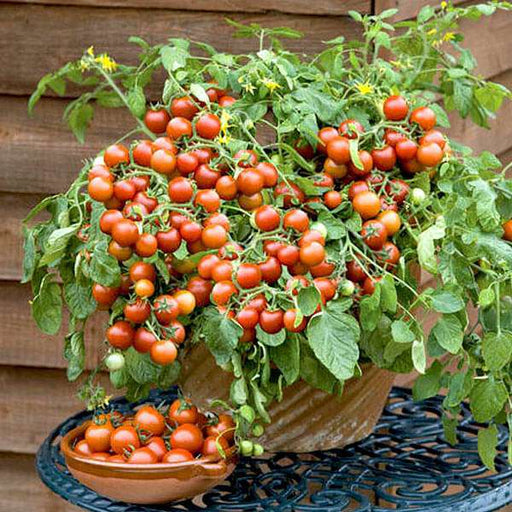
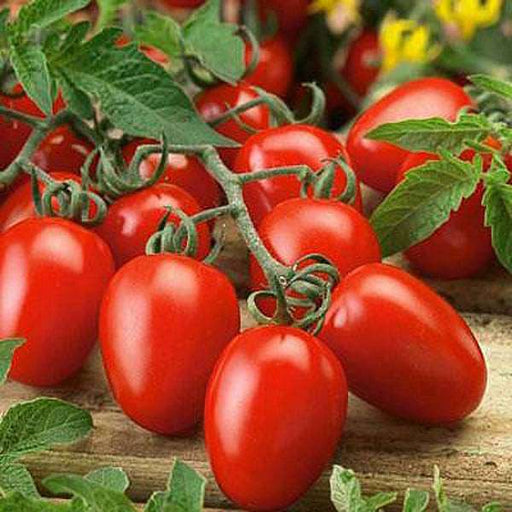
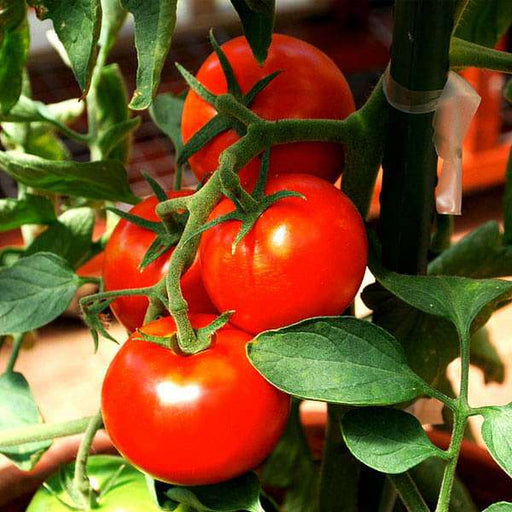
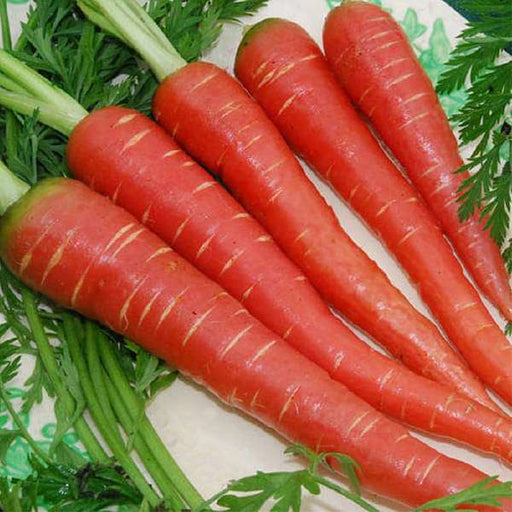
The set typically includes a delightful mix of favorites like tomatoes, cucumbers, and carrots. Think of it as a veggie party where everyone’s invited! Each seed is chosen for its ease of growth, so you can enjoy a colorful harvest without the stress of a green thumb.
How long does it take for the seeds to germinate?
Patience is a virtue, but with these seeds, you won’t have to wait long! Most will sprout within 7 to 14 days, depending on the variety and conditions. Just think of it as a suspenseful gardening thriller—will they or won’t they? Spoiler alert: they will!
Do I need special tools to plant these seeds?
Nope! You don’t need a PhD in gardening or fancy tools. A trowel, some soil, and a sprinkle of love are all you need. Just dig a little hole, drop in the seed, cover it up, and voilà! You’re officially a seed-planting superstar.
Can I grow these seeds indoors?
Absolutely! If you’re short on outdoor space, these seeds are like the ultimate indoor roommates. Just make sure they get plenty of sunlight and water. With a little TLC, you’ll have a mini garden thriving on your windowsill, making your neighbors green with envy.
What kind of soil is best for these seeds?
Think of soil as the cozy bed for your seeds. A well-draining potting mix is ideal, rich in organic matter. It’s like a five-star hotel for your plants! Just avoid heavy clay or sandy soils, as they can be a bit too rough around the edges for our delicate veggie friends.
How often should I water the seeds?
Watering is like giving your seeds a refreshing drink after a workout. Generally, keep the soil moist but not soggy. A good rule of thumb is to check the top inch of soil—if it’s dry, it’s time for a splash! Just don’t drown them; they’re not fish!
What if my seeds don’t sprout?
Don’t panic! Sometimes seeds are just playing hard to get. Check the soil moisture, temperature, and light conditions. If all else fails, consider it a lesson in patience. You can always try again—gardening is all about trial, error, and a sprinkle of humor!
Are these seeds non-GMO?
Yes, indeed! These seeds are like the organic rock stars of the gardening world. They’re non-GMO, meaning you’re getting the real deal without any genetic shenanigans. So, you can grow your veggies with peace of mind, knowing they’re as natural as your grandma’s secret recipe.
Can I save seeds from my harvest?
Absolutely! Saving seeds is like keeping a little piece of your garden’s history. Just let your veggies mature fully, then collect and dry the seeds. It’s a fun way to continue your gardening legacy and impress your friends with your newfound seed-saving skills!
How do I store leftover seeds?
Leftover seeds are like treasures waiting to be discovered! Store them in a cool, dry place, preferably in an airtight container. A dark cupboard or a fridge works wonders. Just label them, so you don’t accidentally plant your “mystery seeds” next season—unless you’re feeling adventurous!
Can kids help with planting these seeds?
Absolutely! Gardening is a fantastic family affair. Kids can dig, plant, and water, turning your garden into a fun learning experience. Just supervise to ensure they don’t mistake the seeds for candy! It’s a great way to teach responsibility while bonding over the joys of growing your own food.


 Garden Potting Soil Mix (5 kg)
₹299
Garden Potting Soil Mix (5 kg)
₹299 Vermicompost (1 kg, set of 2)
₹179
Vermicompost (1 kg, set of 2)
₹179 Garden Essential Plant Care Kit
₹599
Garden Essential Plant Care Kit
₹599