What are the best vegetable seeds to sow in June and July in South India?
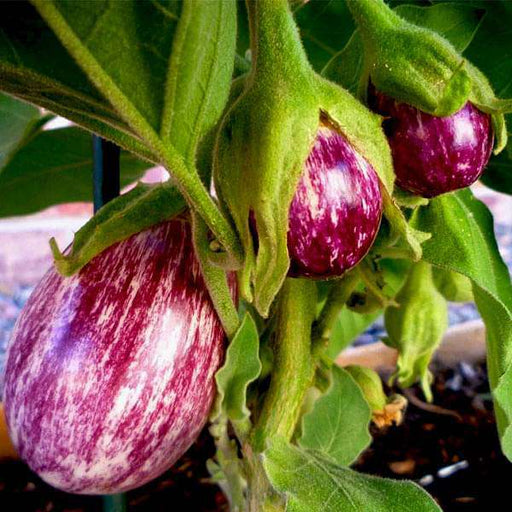
In South India, the monsoon is your gardening buddy! Try sowing seeds like brinjal, okra, and beans. They thrive in the warm, wet weather. Just remember, a little love and water go a long way—your veggies will thank you with a bountiful harvest!
How do I prepare my soil for sowing vegetable seeds?
Think of your soil as a cozy bed for your seeds! Loosen it up with a spade, mix in some compost for nutrients, and ensure good drainage. A well-prepared soil is like a five-star hotel for your veggies—comfortable and ready for a luxurious growth experience!
When is the best time to sow these seeds?
Timing is everything! In South India, June and July are prime time for sowing. The rains provide the perfect moisture, so your seeds can sprout like they’re auditioning for a gardening reality show. Just make sure to check the weather—no one likes a soggy seed!
How often should I water my vegetable seeds?
Watering is like giving your seeds a refreshing drink! In the monsoon, you might not need to water daily, but check the soil. If it feels dry, give it a splash. Just avoid drowning them—your seeds aren’t training for a swimming competition!
What are the common pests to watch out for?
Ah, the uninvited guests! Watch out for aphids, caterpillars, and snails—they love a good veggie feast. Keep an eye on your plants and consider natural repellents like neem oil. Remember, a vigilant gardener is a victorious gardener—don’t let those pests crash your veggie party!
How can I ensure good germination of seeds?
Germination is like a seed’s debut performance! Ensure they’re sown at the right depth, keep the soil moist, and provide warmth. A little patience goes a long way—just like waiting for your favorite show to come back after a cliffhanger!
What nutrients do my vegetable plants need?
Your veggies are like teenagers—they need a balanced diet! Key nutrients include nitrogen for leafy growth, phosphorus for roots, and potassium for overall health. A good organic fertilizer can be their superhero, helping them grow strong and vibrant. Remember, happy plants make for happy gardeners!
Can I grow these vegetables in pots?
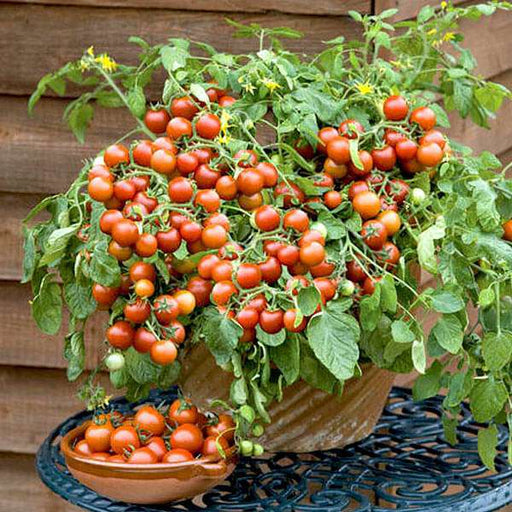
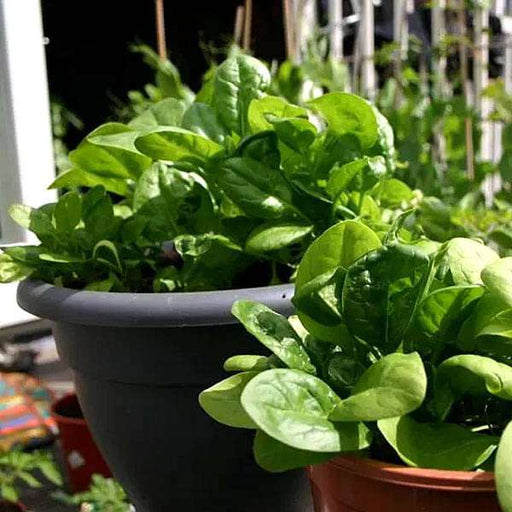
Absolutely! Container gardening is like a VIP section for your veggies. Choose pots with good drainage and fill them with nutrient-rich soil. Just ensure they get enough sunlight and water. Your potted plants will be the talk of the town—everyone loves a good garden gossip!
What is the ideal spacing for sowing seeds?
Spacing is crucial—think of it as giving your plants personal space! Generally, seeds should be sown about 6-12 inches apart, depending on the variety. This way, they won’t be elbowing each other for sunlight and nutrients. A little room to grow makes for happy plants!
How do I protect my seedlings from heavy rains?
Heavy rains can be a drama queen! To protect your seedlings, consider using row covers or creating small mounds for drainage. If it gets too wild, you might need to build a mini shelter. Remember, a little precaution can save your seedlings from a soggy fate!
What are the benefits of growing my own vegetables?
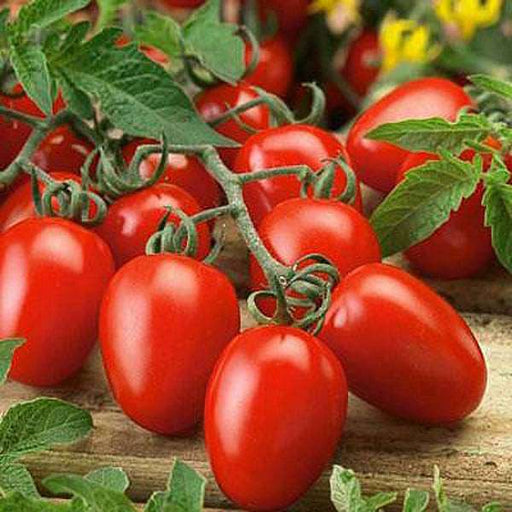
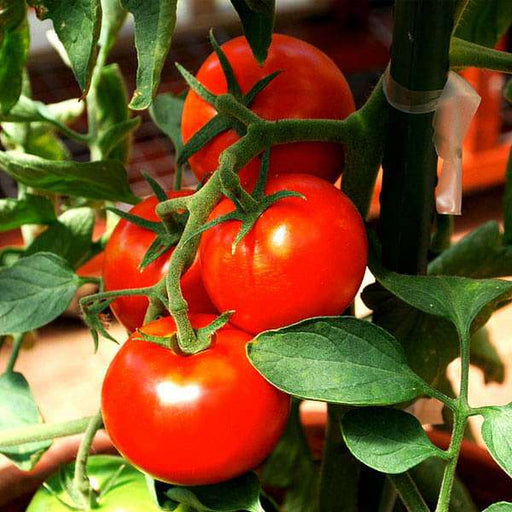
Growing your own veggies is like having a backstage pass to fresh produce! You get to enjoy organic, chemical-free food, save money, and experience the joy of nurturing life. Plus, nothing beats the satisfaction of plucking a ripe tomato you’ve grown yourself—talk about bragging rights!
How long does it take for these seeds to mature?
Patience, young gardener! Most vegetable seeds take anywhere from 60 to 90 days to mature, depending on the variety. Keep nurturing them, and soon you’ll be harvesting your homegrown goodies. Just remember, good things come to those who wait—especially when it comes to veggies!


 Garden Potting Soil Mix (5 kg)
₹299
Garden Potting Soil Mix (5 kg)
₹299 Vermicompost (1 kg, set of 2)
₹179
Vermicompost (1 kg, set of 2)
₹179 Garden Essential Plant Care Kit
₹599
Garden Essential Plant Care Kit
₹599