


















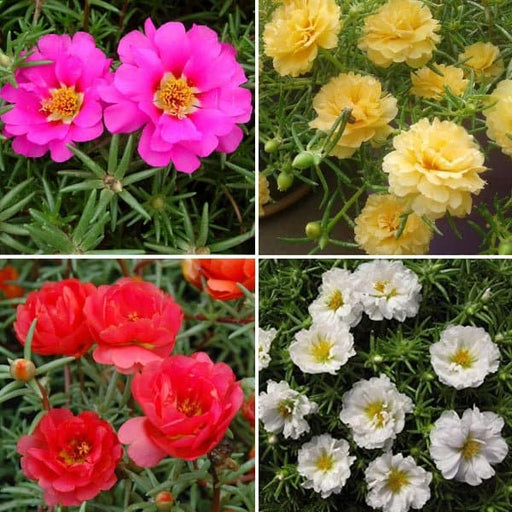


Can be used in coastal areas due to its salt tolerance.
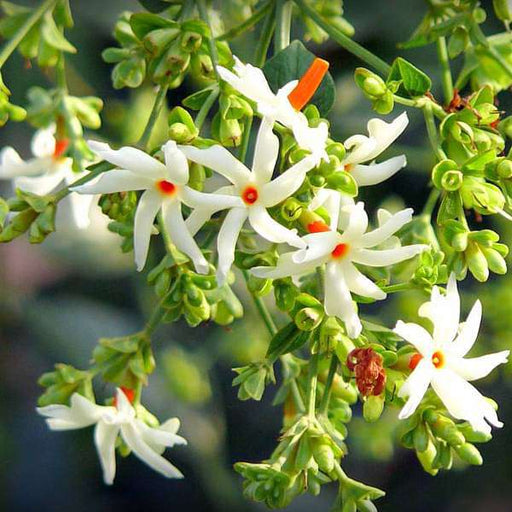
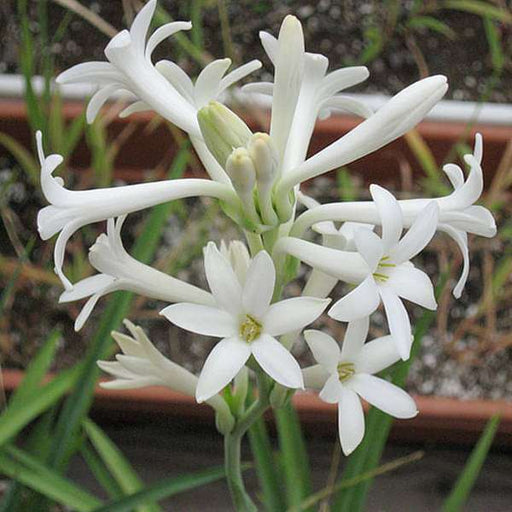
Renowned for its delicate white flowers and sweet aroma, this plant is often used in traditional garlands and perfumes.
Perfect for container gardening on patios and balconies.
great
nice
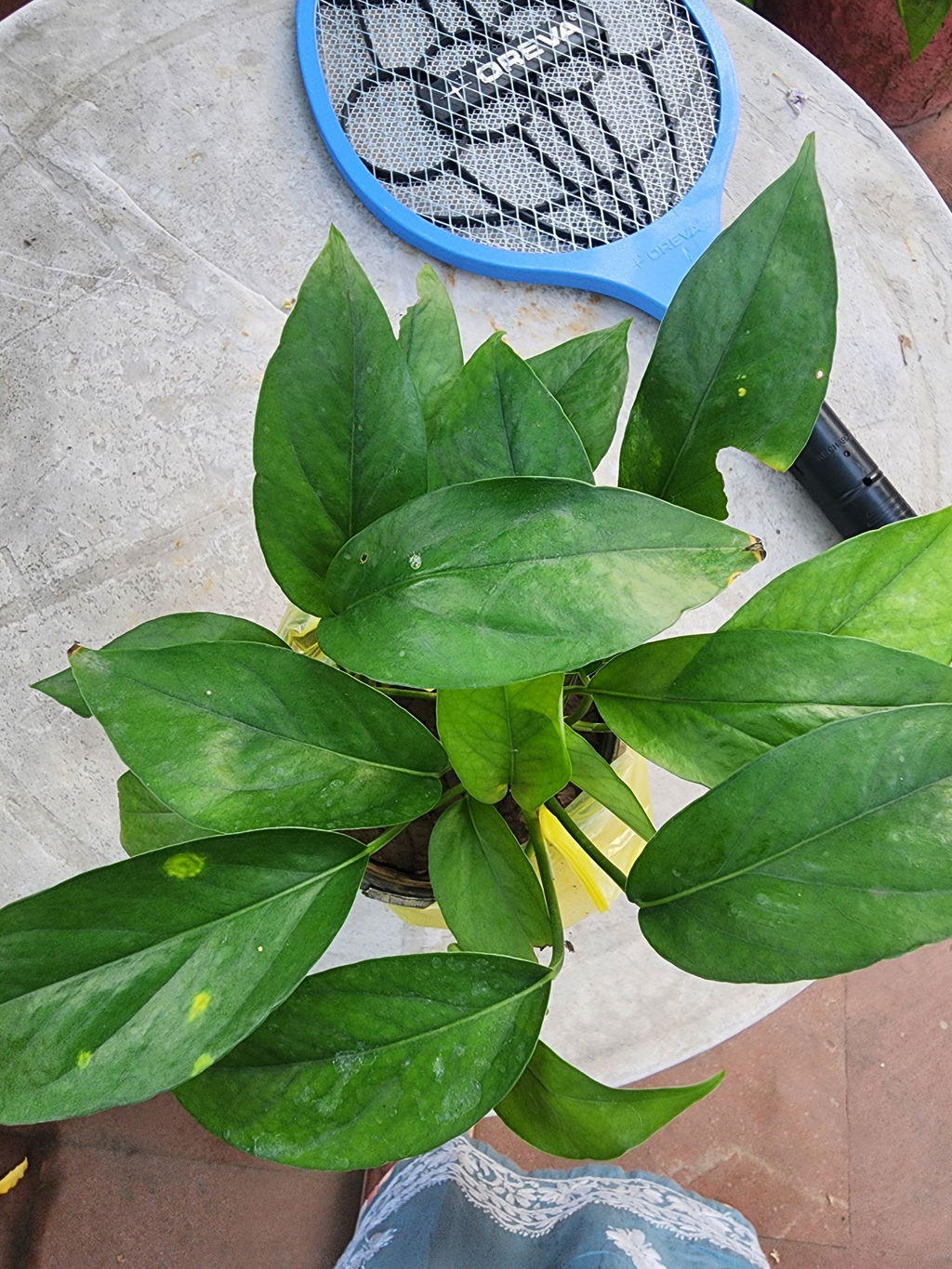
Instead of Monstera I have received Pathos. Instead of Begonia I have received empty pot. You are cheaters and liters. You have pocketed my money without delivering plants.
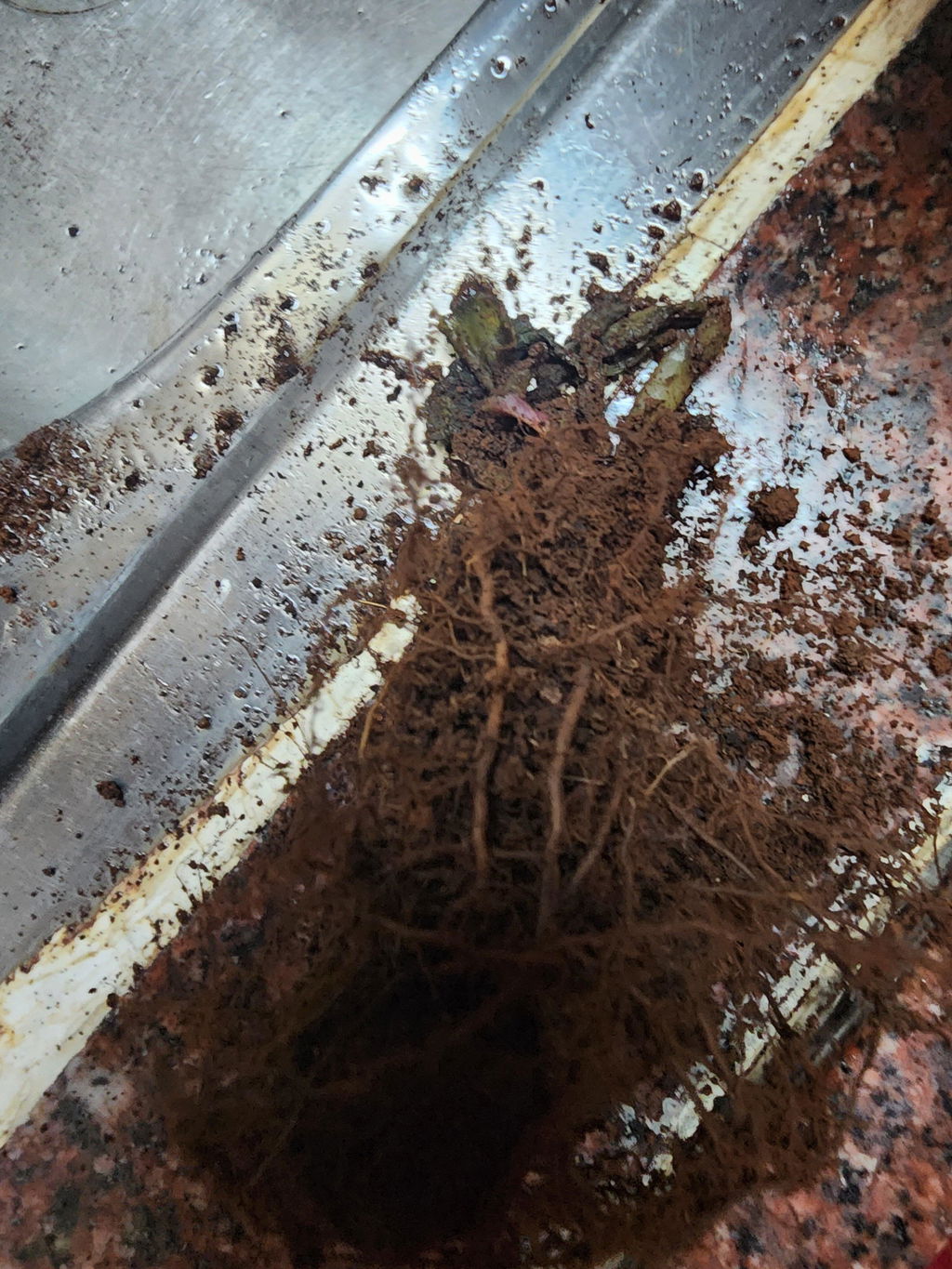
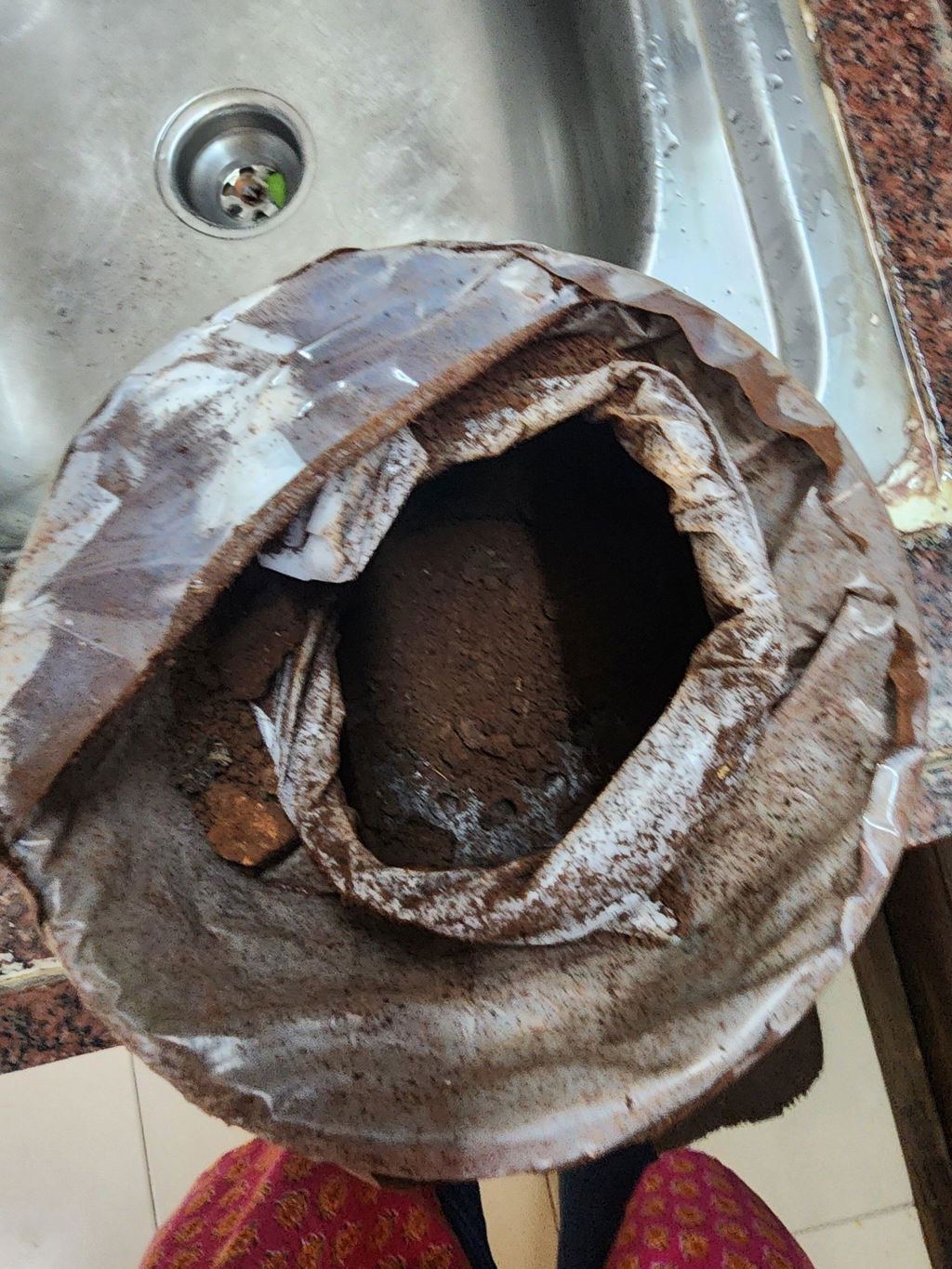
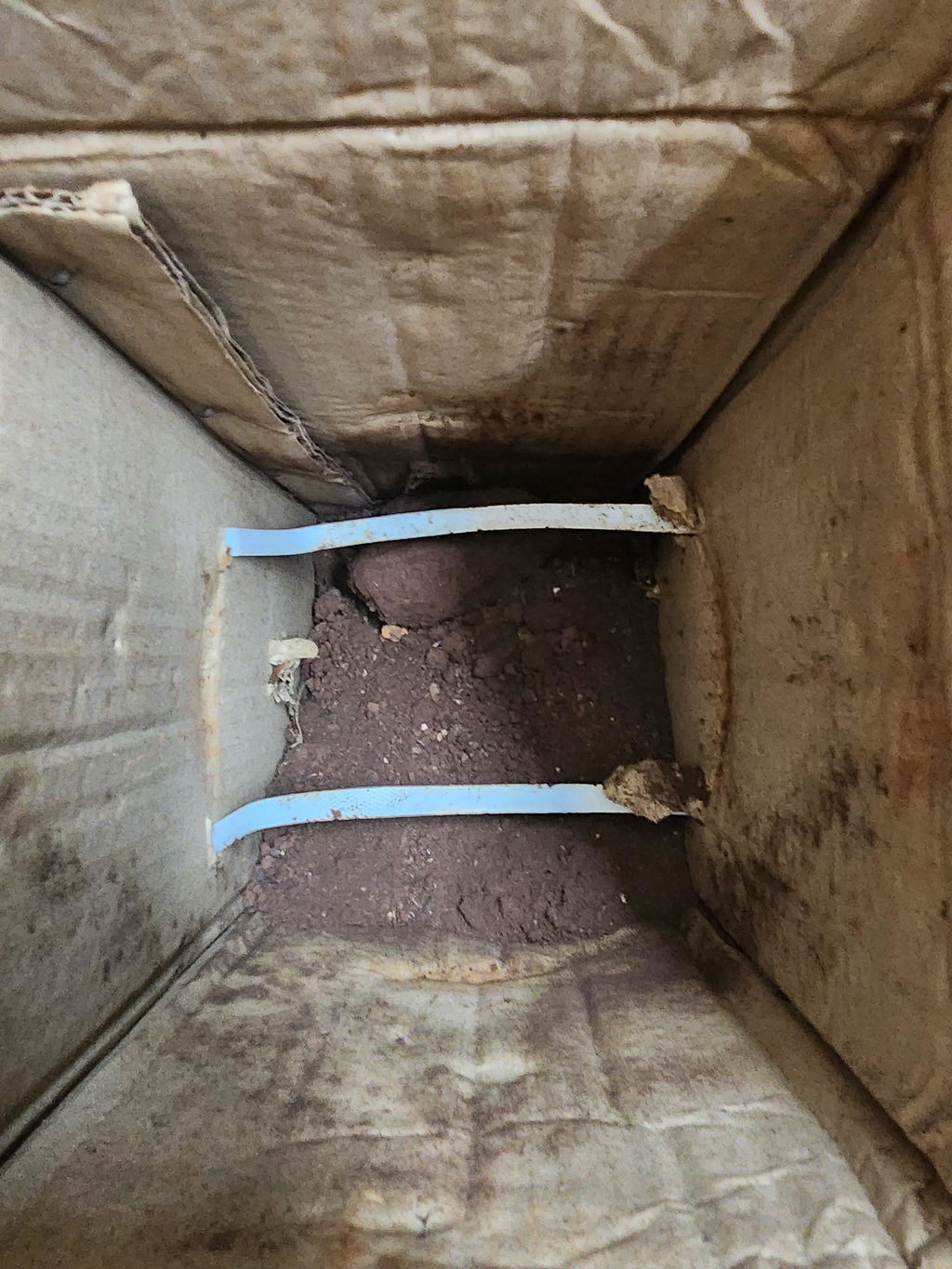
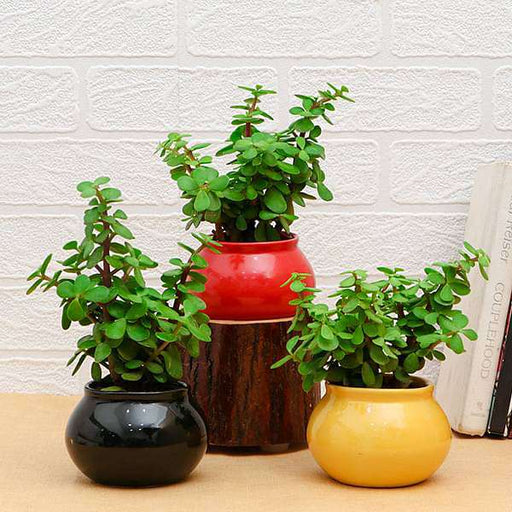
Nice plant Top 4 Die Hard Succulents Pack
I enjoyed browsing through the different plant categories and finding new favorites.
Sweet-smelling mogra blooms with a delicate look. They add a lovely fragrance to my garden.
Used in traditional garlands and floral arrangements.
A Vastu-recommended perennial shrub that yields clusters of highly aromatic white flowers.
great
Rasbhari ke seeds nahi uge . Others seeds bhi nahi uge sab bekar gaya
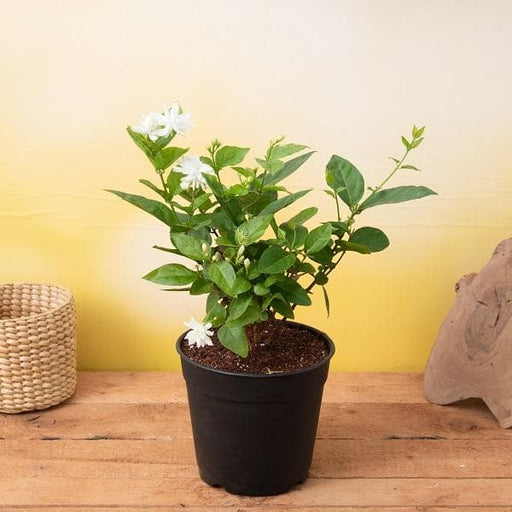
The Jasminum sambac (Mogra) plant is a lovely choice for anyone who enjoys fragrant flowering plants. Its small white flowers and strong natural fragrance can add a pleasant touch to a balcony, terrace, or home garden.
I also like that Mogra can be grown in containers with proper sunlight, well-draining soil, and regular care. The Nurserylive product page is useful for checking the plant details before ordering.
Overall, it seems like a good option for beginners as well as anyone who wants a naturally fragrant flowering plant at home.
The Jasminum sambac (Mogra) plant looks like a lovely choice for a home garden. I like that Mogra is valued for its fragrant white flowers and can do well in pots with proper sunlight and regular care. The product page on Nurserylive also makes it easy to understand what you're getting before ordering. Overall, it seems like a good option for anyone who enjoys fragrant flowering plants at home.
Seamless ordering process from start to finish. The plant is thriving effortlessly.
The shipping was extremely prompt and the wrapping protected the foliage nicely. A fantastic botanical collection.
Great experience with this plantation program. It is good to see an NGO actively working toward a healthier and greener environment.
Seamless ordering process from start to finish. The plant is thriving effortlessly.