What kinds of plants are included in this collection?
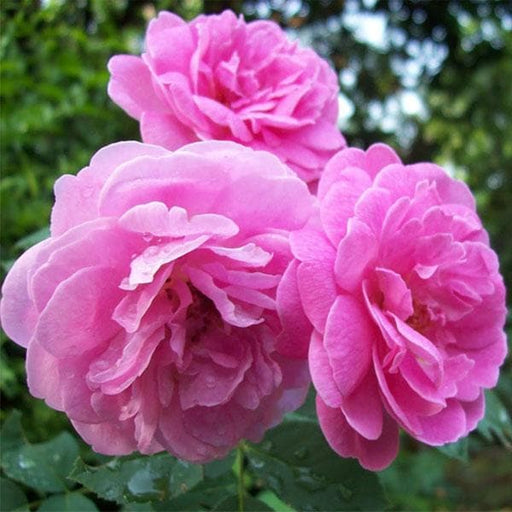
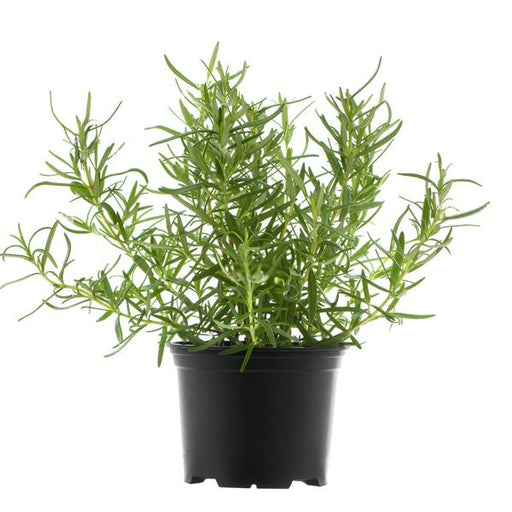
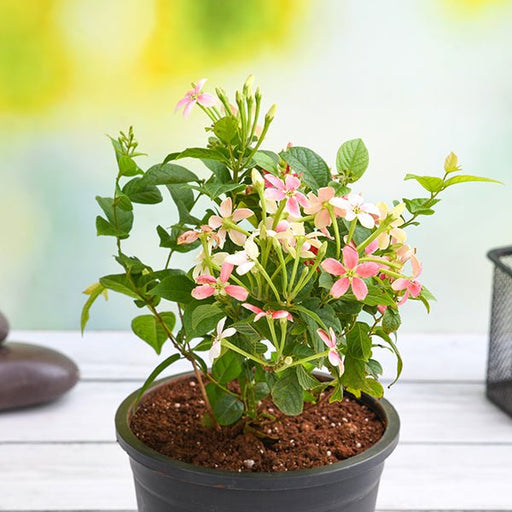
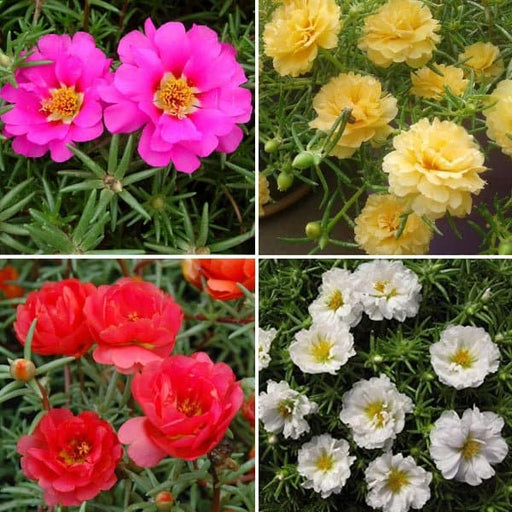
This collection brings together a diverse mix of over 170 plants, spanning lush indoor foliage, flowering varieties, and hardy outdoor specimens. You will find options in different sizes, colours, and textures suitable for homes, offices, and balconies across India.
I am a beginner. Which plants here should I start with?
Look for low-maintenance foliage like money plant, snake plant, ZZ plant, or pothos, which tolerate irregular watering and forgive mistakes. These thrive in typical Indian indoor conditions and help you build confidence before moving to fussier flowering plants.
Are there air-purifying plants in this range?
Yes, several plants in this collection are known for improving indoor air quality, such as snake plant, areca palm, spider plant, and peace lily. They are ideal companions for bedrooms, living rooms, and workspaces where you spend long hours.
How do I choose plants for a low-light room?
For rooms with limited sunlight, pick shade-tolerant varieties like snake plant, ZZ plant, pothos, or lucky bamboo. Avoid heavy bloomers and succulents in dim corners, since they need several hours of bright light to stay healthy.
Which options work best for a balcony or terrace?
For balconies that get direct sun, choose hardy outdoor and flowering plants that handle heat, and rotate placement during peak summer afternoons. In hot Indian cities, morning sun with afternoon shade suits most balcony plants best.
What is the general watering guidance for this category?
Most foliage plants prefer watering when the top inch of soil feels dry, roughly twice a week, while succulents need far less. Always ensure the pot has drainage holes, as overwatering and waterlogging are the most common causes of plant loss in India.
How much light do these plants generally need?
Indoor foliage does well in bright, indirect light near a window, while flowering and outdoor plants usually want direct sun for a few hours. Match each plant to the light your space actually receives rather than where it simply looks good.
Can I use these plants for gifting?
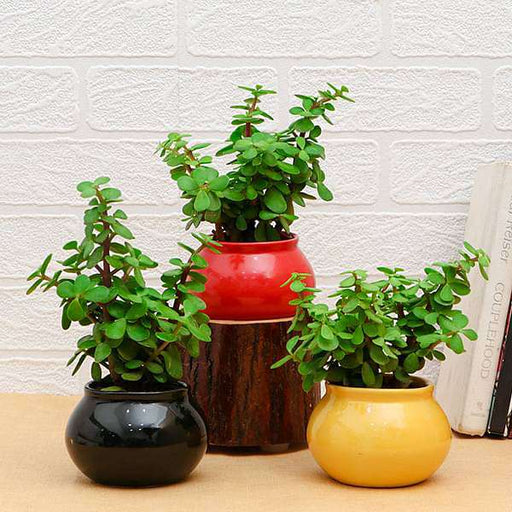
Yes, many plants in this collection make thoughtful, long-lasting gifts for housewarmings, birthdays, and festivals. Compact air-purifiers and lucky plants like money plant or jade are popular, meaningful choices that recipients can keep for years.
How are the plants packaged and delivered?
Plants are packed in secure boxes with the root ball and soil protected to survive transit across India. Minor leaf drop or soil settling on arrival is normal, and plants usually recover within a week once repotted and watered.
Which season is best to buy plants from this collection?
Monsoon and the cooler months from June to February are ideal for planting and establishing most varieties in India. You can buy indoor plants year-round, but avoid transplanting delicate outdoor plants during peak summer heat.
Do these plants come with pots?
Whether a pot is included depends on the individual product listing, so check each item's details before ordering. Many plants arrive in a nursery grow bag or basic pot, and you can repot into a decorative container of your choice.
How do I care for these plants during a hot Indian summer?
Move indoor plants away from harsh direct sun, water more frequently as soil dries faster, and mist humidity-loving varieties. For outdoor plants, provide afternoon shade and mulch the soil to retain moisture during heatwaves.
Are these plants safe around pets and children?
Safety varies by species, as some common houseplants can be mildly toxic if chewed. If you have curious pets or small children, check the specific plant's details and place any potentially harmful varieties out of easy reach.
How do I mix plants from this collection for a good indoor display?
Combine plants of varying heights and leaf textures, such as a tall snake plant, a trailing pothos, and a bushy fern, for visual balance. Grouping plants with similar light and water needs also makes care much easier.
What should I do if a plant looks stressed after delivery?
Give it a few days in a stable, bright but indirect spot, water lightly, and avoid immediate repotting or fertilising. Transit stress is common, and most plants perk up once they adjust to your home's light and temperature.