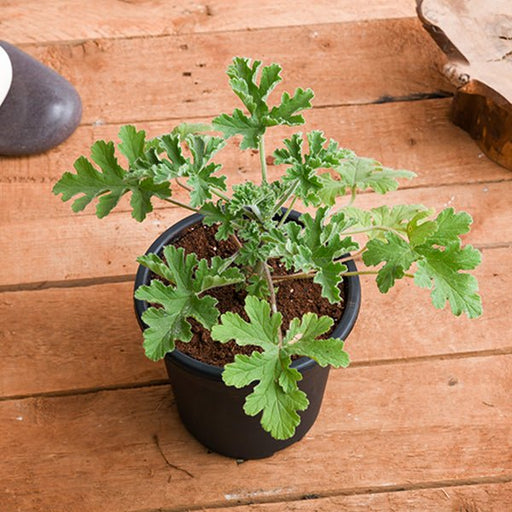
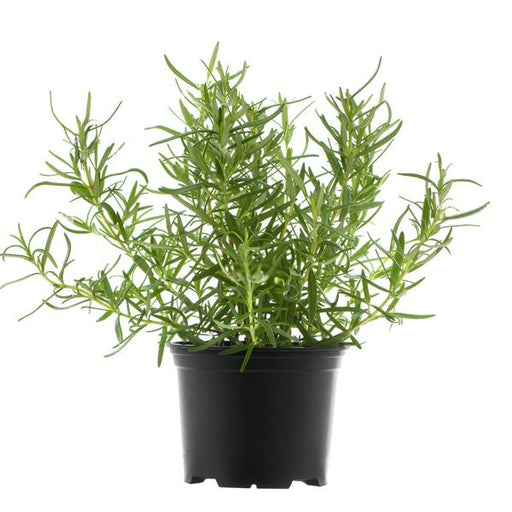
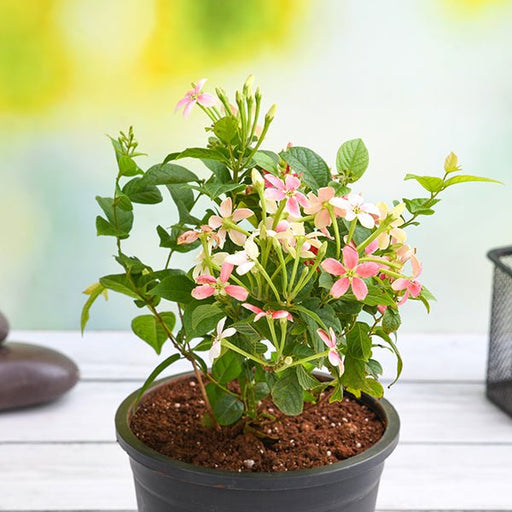
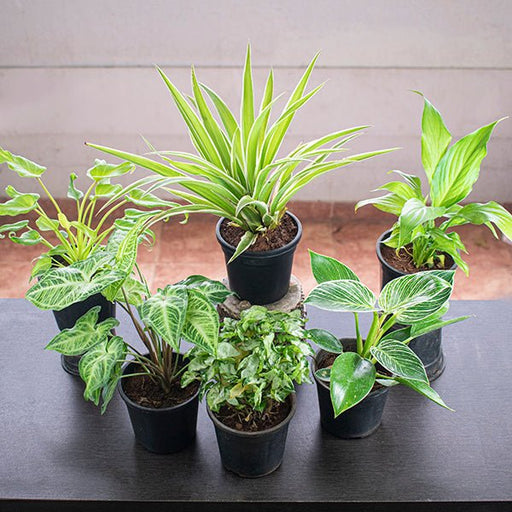
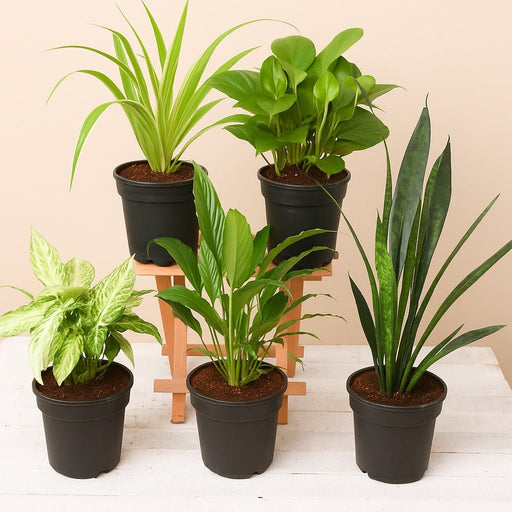
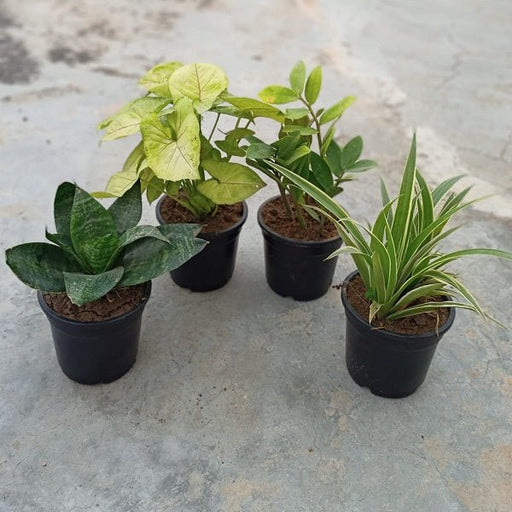
Which plants make up the Set of 4 NASA Plants?
This bundle features four NASA-approved air-purifying plants, typically including Aloe Vera, Chlorophytum (Spider Plant), and Syngonium. The set combines succulent, foliage, and trailing types certified to clean indoor air.
What does NASA-approved mean for these plants?
These plants featured in NASA's Clean Air Study for their proven ability to filter common indoor air pollutants. That is why the set is marketed as certified air purifying, making them a smart choice for bedrooms and offices.
Are the Set of 4 NASA Plants safe around pets?
The set is chosen as a pet-safe, medicinal bundle, with Chlorophytum being genuinely pet-friendly. Aloe Vera and Syngonium, however, can upset pets if eaten, so keep those out of reach of curious cats, dogs, and children.
Which of these NASA plants has medicinal uses?
Aloe Vera is the standout medicinal plant in this set, its gel widely used for skin and minor burns. Keep a healthy Aloe on a sunny windowsill so you always have fresh gel on hand.
How much light do these four plants need indoors?
Chlorophytum and Syngonium prefer bright, indirect light, while Aloe Vera enjoys some direct sun and does well near a bright window. All adapt to typical indoor and AC-room conditions, though brighter light keeps them fuller.
How often should I water this NASA plant set?
These are drought-tolerant plants, so let the top inch or two of soil dry before watering. Aloe Vera especially prefers infrequent, deep watering, while Chlorophytum and Syngonium like slightly more moisture; overwatering is the biggest risk.
Can these plants be grown in hanging pots or vertical gardens?
Yes, Chlorophytum and Syngonium trail nicely in hanging pots and suit hanging baskets and vertical gardens. Aloe Vera is better kept in an upright pot on a table top or windowsill.
Where should I place these plants for air purification at night?
Because this set includes plants that absorb CO2 at night, they are excellent for bedrooms. Spread them across the bedroom, living room, office, and other rooms so each space benefits from cleaner air.
Why is my Aloe Vera turning brown or mushy?
Browning or mushiness usually means overwatering or poor drainage, since Aloe stores water in its leaves. Cut back on watering, ensure the pot drains freely, and move it to brighter light to firm the leaves back up.
What soil mix suits these NASA plants?
Use a well-draining mix; Aloe Vera does best in a sandy, cactus-style blend, while Chlorophytum and Syngonium like a lighter mix of soil, compost, and coco peat. Drainage holes are essential to prevent root rot.
How do I care for this set during the Indian monsoon?
During humid, rainy weather these plants need far less watering, so let the soil dry well between drinks. Keep them where excess water drains away and airflow is good to avoid rot, especially for the succulent Aloe Vera.
Can I propagate the plants in this NASA set?
Yes, Chlorophytum produces baby plantlets you can pot up, Aloe Vera makes offshoot pups you can separate, and Syngonium roots easily from stem cuttings. This makes the set easy to multiply at home.
Do these plants need fertiliser?
They are easy-care and need only light feeding, so use a diluted balanced fertiliser about once a month in the warm growing season. Aloe Vera needs even less; avoid feeding in winter when growth slows.
What will I receive when I order the Set of 4 NASA Plants?
You receive four established, nursery-grown air-purifying plants ready to place around your home, not tiny saplings. Let them settle into your indoor light for a few days before adjusting to a normal watering routine.
How do I keep these plants looking full and healthy long-term?
Give them appropriate light, avoid overwatering, and repot every year or two into fresh mix as they grow. Removing any dead leaves and occasionally wiping dust off the foliage keeps them purifying efficiently and looking their best.