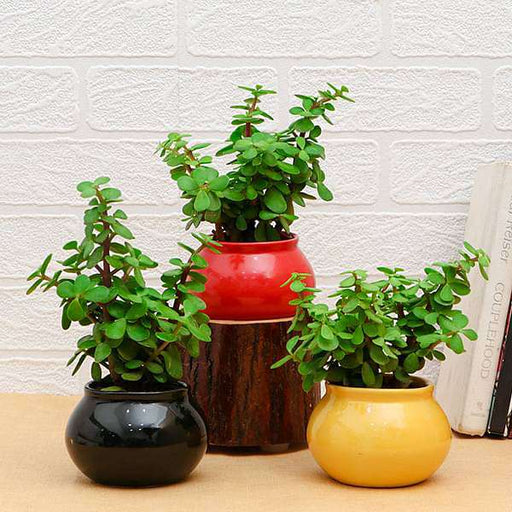
Which plants are included in the Set of 4 Lucky Plants?
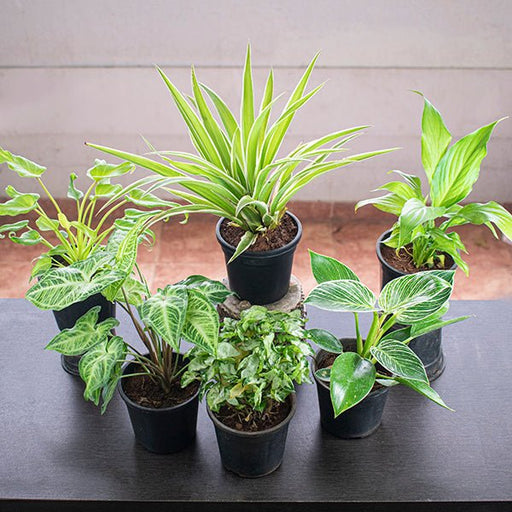
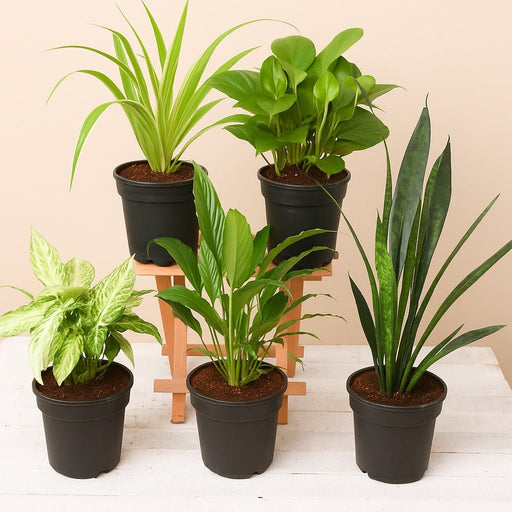
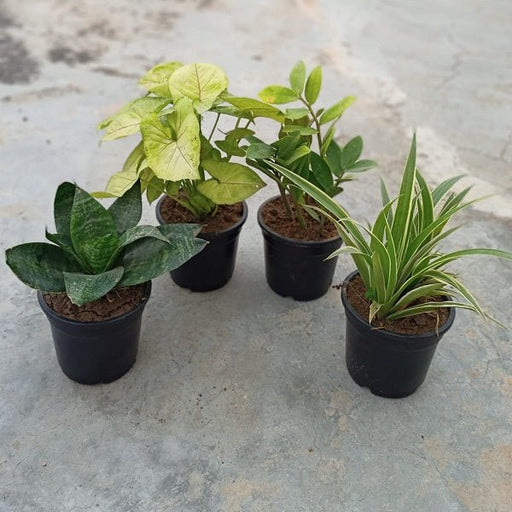
This bundle features four lucky, Vastu-friendly plants, typically including Money Plant, Aloe Vera, Chlorophytum, and Syngonium. The mix combines trailing, succulent, and foliage forms that are all easy to grow indoors.
Why is this called a set of lucky plants for Vastu?
Plants like Money Plant are traditionally associated with prosperity and positive energy in Vastu, which is why this collection is marketed as lucky. Placing them at home or the office is believed to attract good fortune, though this is a matter of belief.
Where should I place these lucky plants at home for best effect?
They suit living rooms, offices, entrances, and table tops, and Money Plant is often placed to invite prosperity. Being versatile, they also brighten bedrooms, kitchens, and balconies, so you can spread luck through several rooms.
Are the Set of 4 Lucky Plants pet-friendly?
The set is chosen for indoor safety and includes pet-friendly options like Chlorophytum, but Money Plant, Syngonium, and Aloe Vera can be mildly toxic if chewed. Keep them out of reach of pets and children who tend to nibble leaves.
How much light do these lucky plants need?
Most prefer bright, indirect light, while Aloe Vera enjoys some direct sun and Money Plant tolerates lower light. Keeping them in a bright spot away from harsh midday sun keeps the foliage lush and colourful.
How often should I water this lucky plant collection?
These drought-tolerant plants like to dry out a little between waterings, so water when the top inch or two of soil is dry. Aloe Vera needs the least water, while Money Plant and Syngonium enjoy slightly more; avoid keeping the soil soggy.
Can I grow the Money Plant from this set in water?
Yes, Money Plant grows readily in a bottle or vase of water, making it a popular low-maintenance lucky plant for desks and shelves. Change the water every week or so and keep it in bright, indirect light.
Which of these lucky plants have medicinal value?
Aloe Vera is the medicinal star of this set, its soothing gel used for skin and minor burns. Keeping it in a sunny spot ensures a steady supply of fresh gel alongside its lucky reputation.
Can these plants be grown in hanging pots or vertical gardens?
Yes, Money Plant, Syngonium, and Chlorophytum all trail well in hanging pots and suit hanging baskets and vertical gardens. Aloe Vera is best kept upright in a pot on a table top or windowsill.
Why are my lucky plant leaves turning yellow?
Yellowing usually points to overwatering or poor drainage rather than bad luck. Let the soil dry more between waterings, make sure pots have drainage holes, and feed lightly if the whole plant looks pale.
What soil and pots work best for these lucky plants?
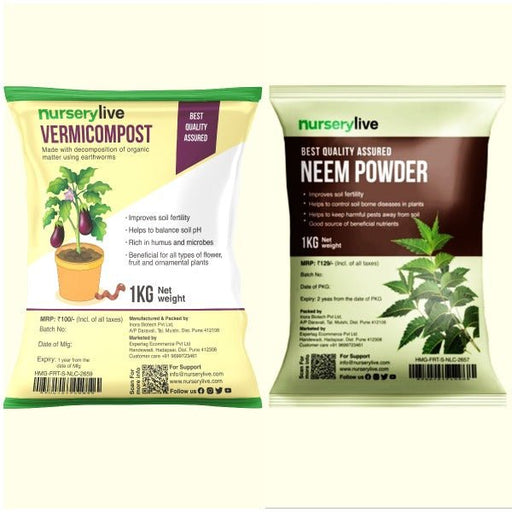
Use a well-draining potting mix of soil, compost, and coco peat or sand, in pots with drainage holes. Aloe Vera prefers a sandier, cactus-style mix, while the foliage plants like a slightly richer blend.
How do I care for this collection during summer and monsoon?
In hot summers water a bit more often and shade them from scorching direct sun; during the monsoon cut back watering sharply to prevent rot. Ensure good drainage and airflow year-round to keep these easy-to-grow plants thriving.
Can I propagate the plants in this lucky set?
Yes, Money Plant and Syngonium root easily from stem cuttings in water or soil, Chlorophytum makes plantlets, and Aloe Vera produces pups. This lets you grow and gift many lucky plants from the original four.
Do these lucky plants need fertiliser?
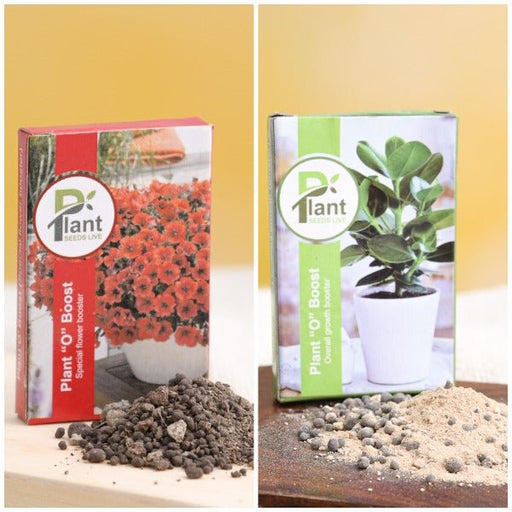
They are easy-care and need only occasional feeding, so use a diluted balanced liquid fertiliser about once a month during the warm growing season. Skip feeding in winter when growth naturally slows down.
What condition do the plants arrive in?
You receive four established, nursery-grown plants ready to place around your home, not tiny saplings. Let them adjust to your indoor light for a few days before settling into a regular care routine.