Skip to content

Fishbone Cactus - Succulent Plant

Save 18% Save 18%
Original price ₹ 439
Original price ₹ 439 - Original price ₹ 439
Original price ₹ 439
Current price ₹ 359
₹ 359 - ₹ 359
Current price ₹ 359

(MRP Inclusive of all taxes)

Availability:
In stock

Why it’s special?

  • Unique fishbone leaf pattern
  • Drought tolerant succulent plant
  • Compact tabletop display piece
  • Easy-growing interesting form

Complete your plant care

  • White Marble Pebbles (1 kg) ₹199
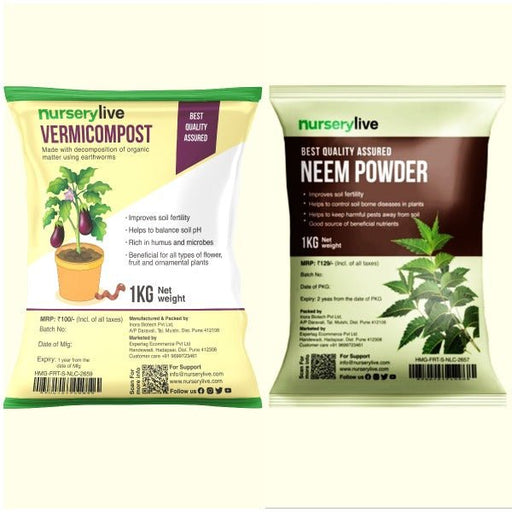
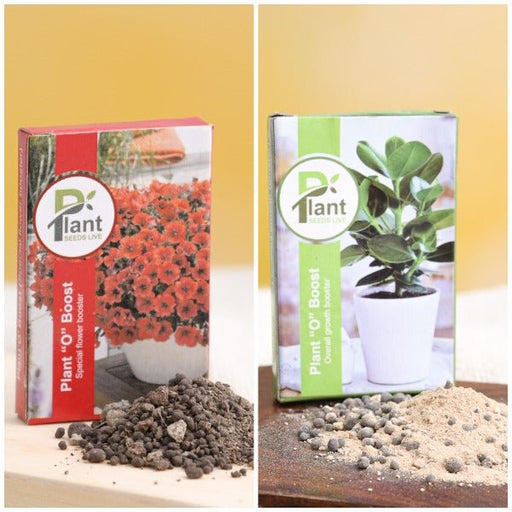
  • Plant O Boost — Growth Booster ₹239
  • Garden Essential Plant Care Kit ₹599

Shipping : ₹79 for the entire order

Country of origin: India

Frequently bought together

Total for 0 selected

Fishbone Cactus - Succulent Plant

The Fishbone Cactus, scientifically known as Epiphyllum anguliger, is a unique succulent native to the tropical rainforests of Central America. With its striking, zigzag-shaped stems resembling a fishbone, this plant adds a touch of exotic beauty to any indoor or outdoor space. Its vibrant green foliage and occasional stunning blooms make it a favorite among succulent enthusiasts and collectors alike.

What makes the Fishbone Cactus special is its ability to thrive in low-light conditions, making it an ideal choice for homes and offices. This resilient plant not only purifies the air but also brings a sense of tranquility and connection to nature. Its unique growth pattern and stunning flowers, which bloom at night, create a captivating display that enchants all who encounter it.

One of the special features of the Fishbone Cactus is its epiphytic nature, meaning it can grow on other plants without harming them. This characteristic allows it to adapt to various environments, showcasing its versatility and resilience. Additionally, it is known for its ability to produce beautiful, fragrant flowers that attract pollinators, contributing positively to the ecosystem.

Growing Instructions:

  • Plant in well-draining soil, preferably a cactus mix.
  • Place in a location with indirect sunlight; avoid direct sunlight to prevent scorching.
  • Water sparingly; allow the soil to dry out between waterings.
  • Ideal temperature range is between 60°F to 80°F (15°C to 27°C).

Care Instructions:

  • Fertilize with a balanced, diluted fertilizer during the growing season (spring and summer).
  • Prune as needed to maintain shape and remove any dead or damaged stems.
  • Monitor for pests like mealybugs and spider mites; treat promptly if detected.
  • Repot every 2-3 years to refresh soil and promote healthy growth.

Uses:

  • Perfect for indoor decoration, adding a unique aesthetic to any room.
  • Can be used in hanging baskets or as a trailing plant on shelves.
  • Great for creating a tropical-themed garden or succulent arrangement.

Fun Facts:

  • The Fishbone Cactus is also known as the "Zigzag Cactus" due to its distinctive stem shape.
  • It can produce large, fragrant flowers that bloom at night, attracting nocturnal pollinators.
  • This plant is often associated with good luck and prosperity in various cultures.
  • As an epiphyte, it plays a role in its natural habitat by providing shelter for other organisms.

Trending Collections

Fishbone Cactus Care

If you think caring for a fishbone cactus is as easy as pie, think again! This succulent plant tree has its quirks. It thrives in bright, indirect sunlight and prefers to dry out between waterings. Overwatering is its nemesis, so channel your inner Goldilocks and find that "just right" balance. With a little love and attention, your fishbone cactus will reward you with stunning foliage that’s the envy of all your plant-parent friends.

Fishbone Cactus Propagation

Want to expand your succulent empire? Propagating a fishbone cactus is like cloning your favorite superhero—easy and rewarding! Simply take a cutting, let it callous over, and plant it in well-draining soil. Before you know it, you’ll have a mini forest of these quirky plants. Just remember, patience is key; good things come to those who wait, especially when it comes to succulents.

Fishbone Cactus Benefits

Beyond its quirky looks, the fishbone cactus offers a plethora of benefits. It’s a natural air purifier, helping to cleanse your indoor environment while adding a touch of whimsy. Plus, it’s low-maintenance, making it perfect for those who want greenery without the fuss. Who knew a plant could be both a stylish decor piece and a diligent housekeeper?

Fishbone Cactus Light Requirements

Light, camera, action! The fishbone cactus loves to bask in bright, indirect sunlight. Too much direct sun, and it might just throw a tantrum, dropping leaves like a diva. Position it near a window with filtered light, and watch it thrive. It’s like giving your plant a front-row seat to the best show in town—photosynthesis!

Fishbone Cactus Soil

The right soil is like a cozy bed for your fishbone cactus. It craves well-draining soil that allows its roots to breathe. A mix of potting soil, sand, and perlite is the perfect recipe for success. Think of it as a luxurious spa treatment for your plant—no soggy bottoms allowed!

Fishbone Cactus Size

Size matters, especially when it comes to your fishbone cactus. These succulent plant trees can grow up to 3 feet tall, making them a statement piece in any room. They’re like the gentle giants of the plant world—impressive yet easy to care for. Just be prepared for some serious plant envy from your friends!

Fishbone Cactus Flowers

When it comes to flowers, the fishbone cactus doesn’t just show up; it steals the spotlight! With its stunning blooms that resemble delicate stars, this plant knows how to make an entrance. While it may take a few years to flower, the wait is worth it. When it finally does, you’ll feel like you’ve won the botanical lottery!

Fishbone Cactus Pests

Beware of the pesky intruders! While the fishbone cactus is generally resilient, it can attract pests like mealybugs and spider mites. Regularly inspect your plant and give it a gentle wipe-down to keep those unwanted guests at bay. Think of it as a spa day for your cactus—clean and pest-free!

Fishbone Cactus vs. Other Succulents

In the world of succulents, the fishbone cactus is the quirky cousin everyone loves. Unlike its more traditional counterparts, it boasts unique, zigzagging leaves that set it apart. While other succulents may play it safe with their shapes, the fishbone cactus embraces its individuality. It’s the life of the party in the succulent family!

Fishbone Cactus Indoor vs. Outdoor

To be or not to be—indoors or outdoors? The fishbone cactus can thrive in both settings, but it’s a bit of a diva. Indoors, it prefers bright, indirect light, while outdoors, it loves a cozy spot with filtered sunlight. Just remember, too much direct sun can lead to a crispy cactus, and nobody wants that!

Fishbone Cactus Toxicity

Good news for pet owners! The fishbone cactus is non-toxic to cats and dogs, making it a safe addition to your home. You can enjoy its quirky charm without worrying about your furry friends nibbling on its leaves. It’s like having a plant that’s both stylish and pet-friendly—what more could you ask for?

Save 40% with Gardening Solutions

You may also need

View All

Plant care & growing guide

A distinctive succulent with fascinating fishbone-patterned leaves, incredibly easy to grow and drought-tolerant. Perfect for compact indoor displays.

Light
Provide at least 4 to 6 hours of sunlight daily in full sun or partial shade. Bright indirect light keeps the plant healthy, though it tolerates lower light better than most succulents.
Water
Water conservatively during the rainy season, moderately in winter, and more frequently during summer heat. Allow soil to dry between waterings—overwatering is the primary cause of rot in succulents.
Soil & Feeding
Use well-draining soil with minimal organic matter to prevent root rot. Fertilizer is rarely needed; if using, avoid peat-based composts.
Temperature & Humidity
Thrive in temperatures between 22–35°C, which suits most Indian climates. These succulents prefer lower humidity; good air circulation helps prevent fungal issues.
Common Problems
Watch for overwatering-induced root rot and spider mites in dry indoor conditions. Pale or etiolated growth signals insufficient light.
Pro Tips
The fishbone pattern and low-spreading form make this ideal for terrariums and shelves. They can reach 1.5 m in ideal conditions and bloom with pale yellow or white flowers in summer.

Frequently asked questions

What is a Fishbone Cactus?
A Fishbone Cactus, or Epiphyllum anguliger, is a succulent plant known for its unique, zigzagging stems resembling fishbones. Native to Mexico, it thrives in bright, indirect light and adds a quirky touch to any plant collection. Just don’t expect it to swim; it’s more of a land-loving creature!
How do I care for my Fishbone Cactus?
Caring for a Fishbone Cactus is a breeze! Provide bright, indirect sunlight, water when the soil dries out, and let it bask in humidity. Avoid overwatering, or it might throw a tantrum and rot. Treat it like a diva, and it’ll reward you with stunning blooms!
What kind of soil does a Fishbone Cactus need?
Your Fishbone Cactus craves well-draining soil, ideally a cactus mix or a blend of potting soil and sand. Think of it as a sandy beach vacation—no soggy mess allowed! This ensures happy roots and a thriving plant, ready to show off its unique charm.
How often should I water my Fishbone Cactus?
Water your Fishbone Cactus every 2-3 weeks, allowing the soil to dry out completely between drinks. It’s like a cactus cocktail party—too much water, and it’ll be a flop! Keep it thirsty but not parched, and it’ll thrive like a true succulent superstar.
Does a Fishbone Cactus bloom?
Yes, indeed! A Fishbone Cactus can bloom, producing stunning, fragrant flowers that resemble a tropical fiesta. Typically, it blooms in late spring or summer, but don’t hold your breath—these beauties can be a bit shy. With the right care, you might just witness the floral extravaganza!
Can I propagate my Fishbone Cactus?
Absolutely! Propagating a Fishbone Cactus is as easy as pie. Simply take a healthy stem cutting, let it dry for a day, and then plant it in well-draining soil. Water sparingly, and soon you’ll have a mini cactus army ready to take over your home!
Is Fishbone Cactus toxic to pets?
Fear not, plant parents! The Fishbone Cactus is non-toxic to pets, making it a safe addition to your home. Your furry friends can frolic around it without fear of a botanical disaster. Just keep an eye on them; they might still be tempted to nibble on those enticing leaves!
How much light does a Fishbone Cactus need?
Your Fishbone Cactus loves bright, indirect light—think of it as a sunbather seeking the perfect spot. Too much direct sunlight can scorch its delicate leaves, while too little can leave it feeling gloomy. Find that sweet spot, and watch it thrive like a beach bum!
What temperature is best for a Fishbone Cactus?
Fishbone Cacti prefer temperatures between 60°F and 80°F (15°C to 27°C). They’re not fans of frost, so keep them cozy indoors during chilly months. Think of them as tropical vacationers—warm and happy, but definitely not ready for a winter wonderland!
How do I repot my Fishbone Cactus?
Repot your Fishbone Cactus every couple of years or when it outgrows its pot. Choose a slightly larger pot with drainage holes, and gently remove the plant from its old home. Add fresh, well-draining soil, and voilà! Your cactus is ready to stretch its legs and grow!
Can Fishbone Cactus survive outdoors?
In suitable climates (USDA zones 10-11), Fishbone Cacti can thrive outdoors, basking in the sun. Just ensure they’re protected from frost and heavy rain. If you live in a cooler area, keep them indoors, where they can be pampered like the precious plants they are!
What pests should I watch for on my Fishbone Cactus?
Keep an eye out for pesky pests like mealybugs and spider mites. These little troublemakers can wreak havoc on your Fishbone Cactus. If you spot them, a gentle wipe with soapy water or neem oil will send them packing. Your cactus deserves a pest-free paradise!
Fully-Grown Plants

Nursery-mature, not 4-inch saplings

Next-Day Delivery

At your door tomorrow — not a 4–7 day wait

Nursery-Fresh

Ready to flourish, no growing-in

Lowest Prices

Straight from local growers