What is Elkhorn, Rhombophyllum dolabriforme?
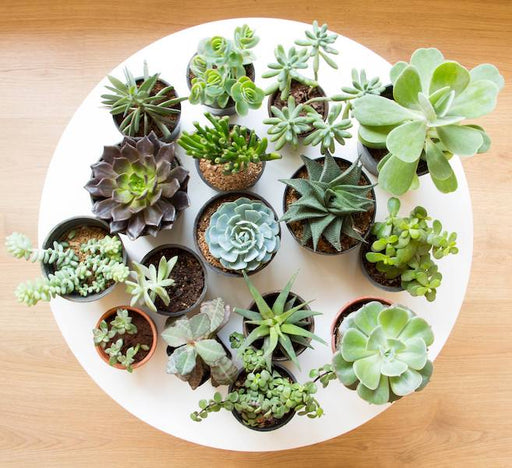
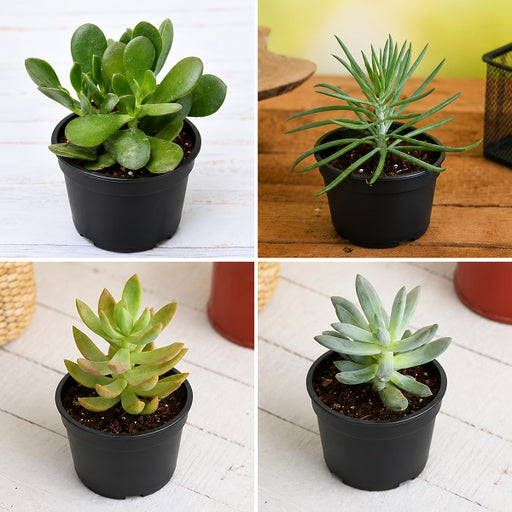
Elkhorn, Rhombophyllum dolabriforme is a succulent plant that looks like nature's own origami masterpiece. With its unique, rhomboid leaves resembling little horns, it’s a quirky addition to any plant collection. This succulent thrives in bright light and is perfect for those who want a low-maintenance yet eye-catching green companion.
How do I care for Elkhorn, Rhombophyllum dolabriforme?
Caring for Elkhorn is as easy as pie—if pie were a succulent! Provide bright, indirect sunlight and let the soil dry out between waterings. Avoid soggy soil, as this plant prefers to keep its roots dry. With minimal fuss, you’ll have a happy little horned friend in no time!
What type of soil is best for Elkhorn?
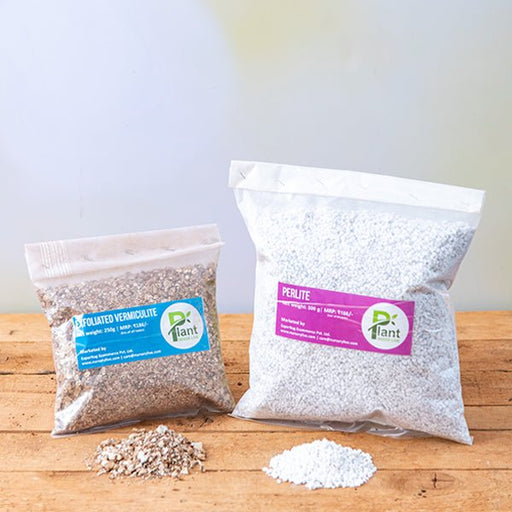
Elkhorn loves to stretch its roots in well-draining soil, like a kid on a trampoline! A cactus or succulent mix works wonders, allowing excess water to escape while keeping the roots cozy. You can even add perlite or sand for extra drainage—because nobody likes soggy feet, not even plants!
How often should I water Elkhorn, Rhombophyllum dolabriforme?
Watering Elkhorn is like a game of hide and seek—only water when the soil is dry! Typically, every 2-3 weeks is ideal, but it depends on your climate. In winter, cut back on watering, as this succulent prefers to hibernate. Remember, less is more when it comes to hydration!
Can Elkhorn, Rhombophyllum dolabriforme survive indoors?
Absolutely! Elkhorn is the ultimate indoor plant party guest. It thrives in bright, indirect light, making it perfect for windowsills or well-lit rooms. Just keep it away from drafts and extreme temperatures, and it’ll be the life of your indoor garden, adding a touch of whimsy to your space.
Is Elkhorn toxic to pets?
Good news for pet parents! Elkhorn, Rhombophyllum dolabriforme is non-toxic to cats and dogs. So, you can relax knowing your furry friends can frolic around this quirky succulent without any worries. Just keep an eye on them; they might think those horn-like leaves are toys!
How fast does Elkhorn grow?
Elkhorn is not in a hurry; it takes its sweet time to grow! Typically, you can expect moderate growth, with new leaves sprouting during the growing season. Patience is key, but with the right care, you’ll soon have a lush, horned beauty that’ll make your friends green with envy!
Can I propagate Elkhorn, Rhombophyllum dolabriforme?
Yes, you can! Propagating Elkhorn is like sharing the love. Simply take a leaf cutting, let it callous over for a day, and then plant it in well-draining soil. Keep it warm and slightly moist, and soon you’ll have baby Elkhorns sprouting up to join the family!
What pests should I watch for on Elkhorn?
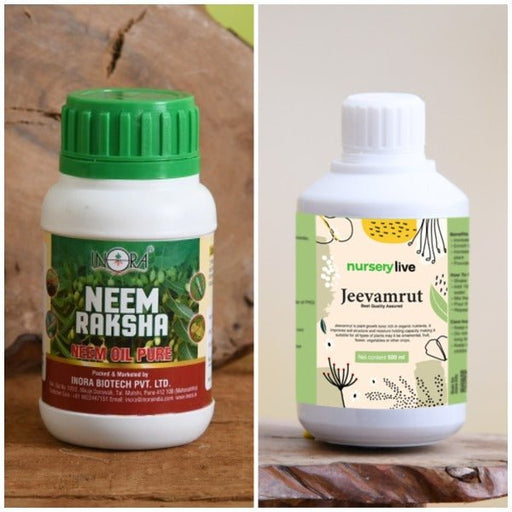
Elkhorn is generally pest-resistant, but keep an eye out for mealybugs and aphids—those sneaky little critters! If you spot them, a gentle wipe with a soapy cloth or a spray of neem oil will send them packing. Your Elkhorn deserves a pest-free life, after all!
Can Elkhorn tolerate low light conditions?
Elkhorn prefers to bask in bright light, so low light is like asking a cat to swim! While it might survive in lower light, it won’t thrive. For the best results, give it a sunny spot, and watch it flourish like the star it is in your plant collection!
What are the ideal temperatures for Elkhorn?
Elkhorn enjoys a cozy climate, thriving best in temperatures between 65°F to 80°F. It’s not a fan of frost, so keep it indoors during chilly months. If you provide a warm, stable environment, your Elkhorn will reward you with its quirky charm and vibrant growth!