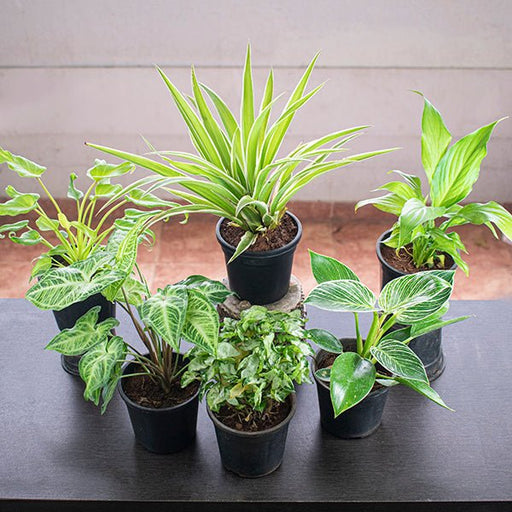
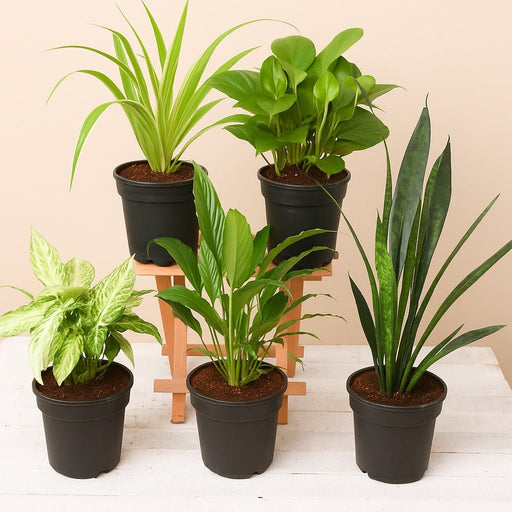
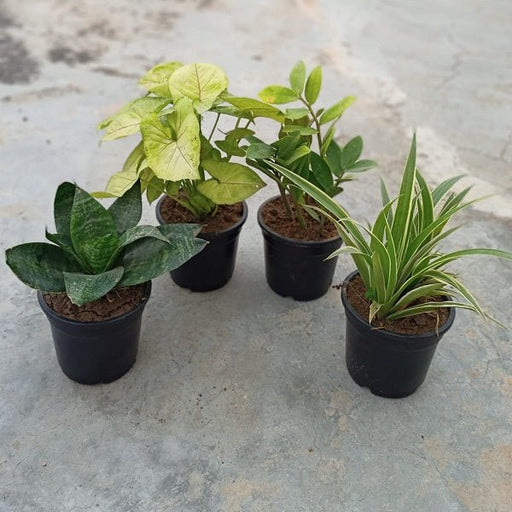
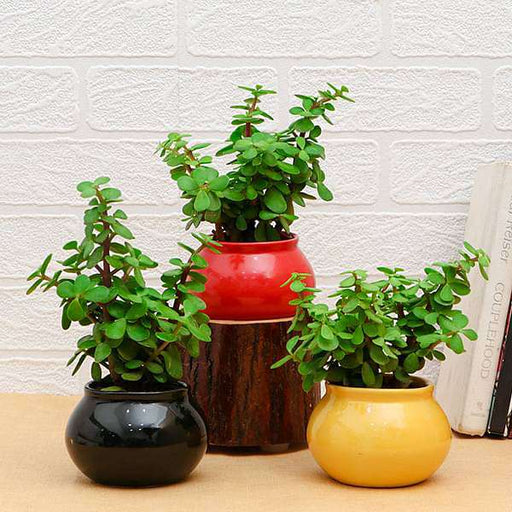
Which plants are included in the Best 6 Air Purifying Indoor Plants Pack?
The pack features six easy-to-grow air-purifying plants, including favourites like Money Plant, Snake Plant, Syngonium, and ZZ Plant. Together they cover foliage, trailing, and upright forms so you can green up several rooms at once.
How do these plants purify indoor air?
These are proven air-purifying plants that filter common indoor pollutants, and several, like the Snake Plant, even absorb CO2 at night. Grouping the six around your home improves air quality across living spaces.
Are all six plants in this pack pet-friendly?
The pack is chosen for indoor safety and includes pet-friendly options, but a few common houseplants like Money Plant, Syngonium, and ZZ can be mildly toxic if chewed. To be safe, keep the pack out of reach of pets and children who tend to nibble leaves.
Which rooms suit these air-purifying plants best?
They are versatile enough for bedrooms, living rooms, kitchens, bathrooms, offices, AC rooms, and table tops. Snake Plant and ZZ tolerate low light and AC rooms well, while Money Plant and Syngonium brighten shelves and hanging spots.
How much light do these six indoor plants need?
Most in this pack thrive in bright, indirect light, though Snake Plant and ZZ also tolerate lower light and AC rooms. Keep them a little away from harsh direct sun through glass, which can scorch the leaves.
How often should I water this indoor plant pack?
These are drought-tolerant, low-maintenance plants, so let the top inch or two of soil dry before watering. Snake Plant and ZZ prefer to stay on the drier side, while Money Plant and Syngonium like slightly more frequent watering; overwatering is the main risk.
Can I grow any of these in hanging pots or on a table top?
Yes, Money Plant and Syngonium trail beautifully in hanging pots and hanging baskets, and are great for vertical gardens. The more compact Snake Plant and ZZ suit table tops, desks, and floor corners.
Are these plants good for Vastu, and where should I place them?
Several plants in this pack, especially Money Plant, are considered lucky and good for Vastu. They are commonly placed in the living room, office, or entrance to invite positive energy, though placement is a matter of personal belief.
Why are the leaves turning yellow on plants from this pack?
Yellowing most often signals overwatering or poor drainage, particularly with Snake Plant and ZZ, which dislike soggy roots. Let the soil dry more between waterings and ensure the pots have drainage holes.
What soil and pots should I use for these indoor plants?
Use a well-draining potting mix of soil, compost, and coco peat or sand, in pots with drainage holes. Good drainage keeps these low-maintenance plants healthy and prevents the root rot that comes from waterlogging.
How do I care for this indoor pack during Indian summer and winter?
In summer, water a little more often and keep plants out of scorching direct sun; in winter, water less as growth slows. All six are hardy indoors year-round, so avoid cold drafts and let soil dry more in the cooler months.
Can I propagate the plants in this pack at home?
Yes, Money Plant and Syngonium root easily from stem cuttings in water or moist soil, while Snake Plant grows from leaf cuttings or division. This lets you multiply your pack into many plants over time.
Do these plants need fertiliser, and how often?
Being easy-to-grow, they need only light feeding, so apply a diluted balanced liquid fertiliser once a month during the warmer growing season. Avoid feeding in winter when growth naturally slows down.
What condition do the plants arrive in?
They arrive as nursery-grown, well-established plants ready to place in your home, not tiny saplings. Give them a few days to adjust to your indoor light and normal watering after unpacking.
How do I repot these indoor plants as they grow?
Repot every year or two, or when roots outgrow the pot, moving up one pot size with fresh well-draining mix. Snake Plant and ZZ actually flower and grow better slightly pot-bound, so avoid oversized containers.