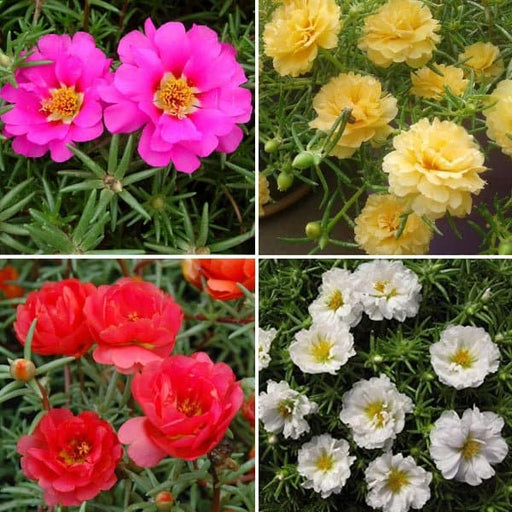
What are small plants, and what are some examples of small plants that can be grown indoors?
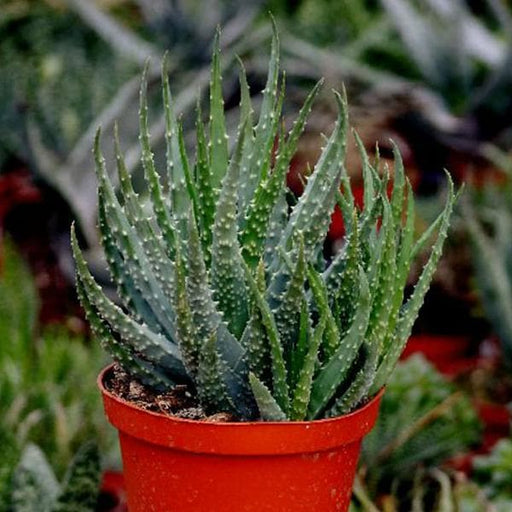
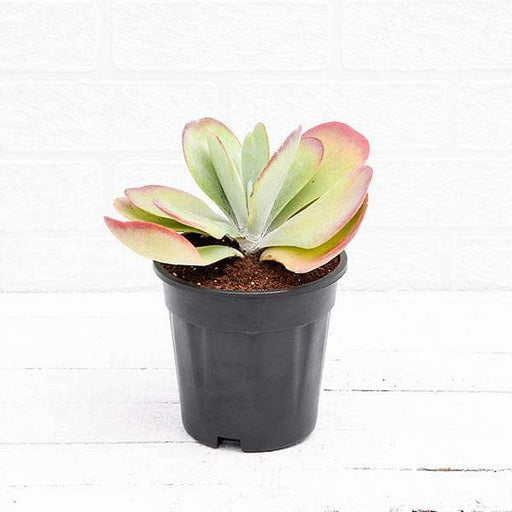
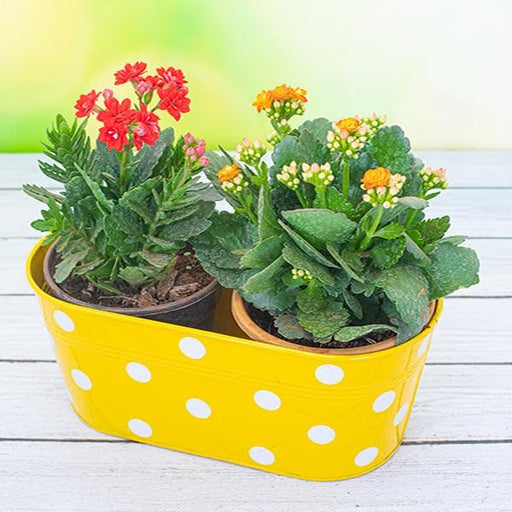
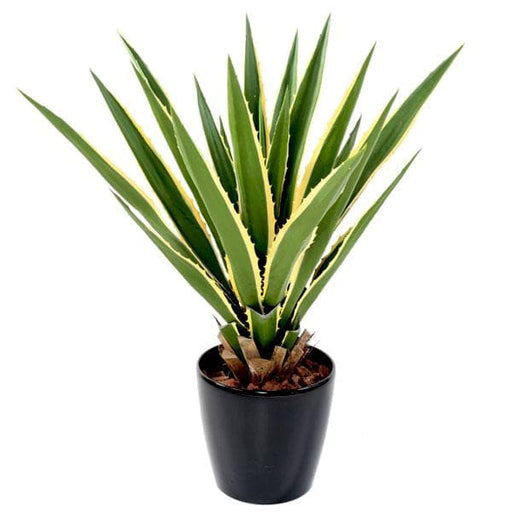
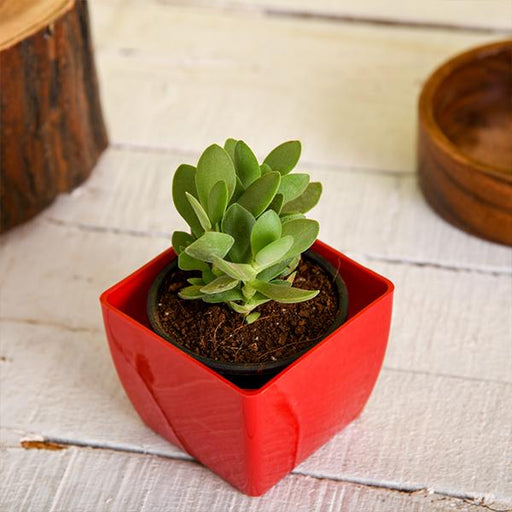
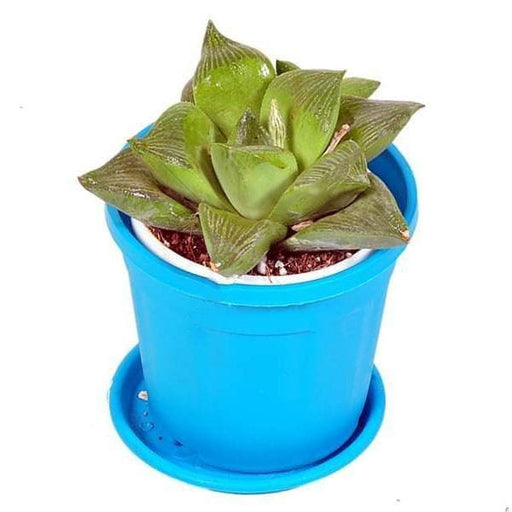
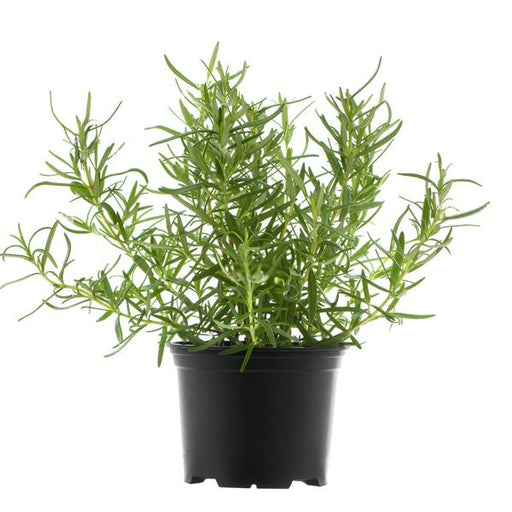
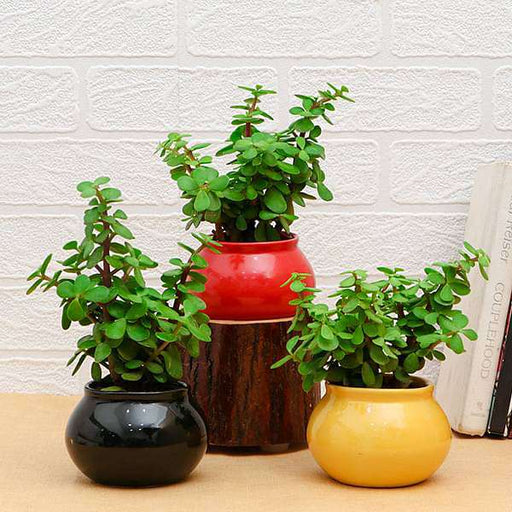
Small plants refer to any plant species that have a compact or small size, which makes them ideal for growing in small spaces such as apartments, balconies, or windowsills. Some examples of small plants that can be grown indoors include succulents, cacti, ferns, herbs, and bonsai trees.
Can small plants thrive in low-light conditions?
Yes, many small plants can thrive in low-light conditions, making them perfect for growing indoors. However, it is important to choose the right species of plant for the amount of light available in your space. For example, succulents and cacti prefer bright, direct light, while ferns and some herbs can thrive in low-light conditions.
How often should small plants be watered?
The watering needs of small plants can vary depending on the species of plant, the size of the container, and the amount of light and humidity in the environment. As a general rule, small plants should be watered when the soil feels dry to the touch. It is important not to overwater small plants, as this can lead to root rot and other problems.
Do small plants require fertilizer, and if so, how often should it be applied?
Small plants can benefit from regular fertilization, which can help to provide them with the necessary nutrients for growth and development. However, the frequency and type of fertilizer used will depend on the specific plant species and the conditions in which it is growing. In general, a slow-release fertilizer can be applied once every six months, while a liquid fertilizer can be applied every two to four weeks during the growing season.
How can I prevent pests and diseases from affecting my small plants?
To prevent pests and diseases from affecting your small plants, it is important to practice good plant care habits. This includes regularly inspecting your plants for signs of infestation or disease, providing them with the right amount of light and water, and ensuring that they are planted in well-draining soil. In some cases, you may need to use organic or chemical treatments to control pests or disease outbreaks.
What are some common problems that can affect small plants, and how can they be addressed?
Common problems that can affect small plants include overwatering, underwatering, poor drainage, pests, and diseases. To address these problems, it is important to identify the underlying cause and take appropriate action. For example, if a plant is being overwatered, you may need to adjust your watering schedule or improve drainage in the pot.
Can small plants be grown in terrariums or other enclosed spaces?
Yes, small plants can be grown in terrariums or other enclosed spaces, which can help to create a miniature ecosystem in your home. However, it is important to choose the right species of plant for the environment, as well as to provide adequate light, humidity, and ventilation.
How can I propagate small plants?
Small plants can be propagated through various methods, such as stem cuttings, leaf cuttings, or division. The specific method used will depend on the plant species and the desired outcome. For example, some plants may root easily in water, while others may require soil propagation.
How can I create a visually appealing display of small plants?
To create a visually appealing display of small plants, it is important to consider factors such as color, texture, and height. Mixing and matching different species of plants can help to create a more dynamic and interesting display. Additionally, incorporating decorative elements such as rocks, moss, or figurines can add to the overall aesthetic appeal.