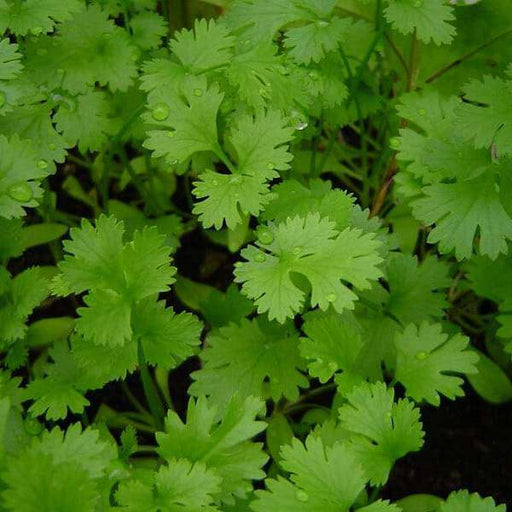
What is Coriander Shalimar Improved - Organic Vegetable Seeds?
Coriander Shalimar Improved - Organic Vegetable Seeds are the crème de la crème of coriander seeds, designed for those who want to spice up their garden. These seeds promise robust growth and a flavor that’ll make your salsa sing. Plus, they’re organic, so you can feel good about your green thumb!
How do I plant Coriander Shalimar Improved seeds?
Planting these seeds is as easy as pie—if pie were made of dirt! Simply sow them in well-drained soil, about half an inch deep. Give them some sunlight and water, and watch as they sprout into a fragrant herb that’ll have your neighbors green with envy!
What are the ideal growing conditions for coriander?
Coriander loves a sunny disposition, thriving in well-drained soil with a pH of 6.2 to 6.8. It’s like the diva of the garden, preferring temperatures between 60°F and 75°F. Too hot or too cold? It might just throw a tantrum and bolt, leaving you with sad, spindly plants!
How long does it take for coriander seeds to germinate?
Patience is a virtue, my friend! Coriander seeds typically take about 7 to 14 days to germinate. So, while you’re waiting, why not practice your salsa moves? Soon enough, you’ll have fresh coriander to elevate your culinary creations!
Can I grow coriander indoors?
Absolutely! Coriander is a versatile little herb that can thrive indoors. Just make sure it gets plenty of sunlight—like a plant version of a sunbather. Use a pot with good drainage, and you’ll have fresh coriander at your fingertips, even in the dead of winter!
How often should I water coriander plants?
Coriander likes to keep things balanced—think Goldilocks! Water them regularly, but don’t drown them. Aim for moist soil without soggy conditions. A good rule of thumb is to check the top inch of soil; if it’s dry, it’s time for a drink!
What pests should I watch out for?
Coriander can attract a few uninvited guests, like aphids and spider mites. Keep an eye out for these little party crashers! A gentle spray of water or a natural insecticidal soap can send them packing, ensuring your coriander remains the belle of the garden ball.
Can I use coriander leaves in cooking?
Oh, absolutely! Coriander leaves, also known as cilantro, are a culinary superstar. They add a fresh, zesty kick to dishes like salsa, curries, and salads. Just remember, some people love it, while others think it tastes like soap—so serve with caution at dinner parties!
How do I harvest coriander?
Harvesting coriander is like a treasure hunt! Snip the leaves when they’re lush and green, but don’t take more than a third at a time. If you’re feeling adventurous, let some plants bolt for seeds. You’ll have a double whammy of fresh leaves and coriander seeds for future planting!
Is Coriander Shalimar Improved resistant to diseases?
This variety is like the superhero of the coriander world! It boasts good resistance to common diseases, making it a reliable choice for gardeners. However, keep an eye out for fungal issues in humid conditions. A little vigilance goes a long way in keeping your plants healthy!
Can I save seeds from my coriander plants?
Yes, you can! Saving seeds is like a gardening magic trick. Allow some plants to flower and go to seed, then collect the dried seeds once they turn brown. Store them in a cool, dry place, and you’ll have a never-ending supply of coriander for future planting!
What makes Coriander Shalimar Improved special?
This variety is the rockstar of coriander seeds! It offers enhanced flavor, better yield, and improved disease resistance. It’s like the Swiss Army knife of herbs—versatile, reliable, and always ready to spice up your dishes. Once you try it, you’ll wonder how you ever gardened without it!


 Garden Potting Soil Mix (5 kg)
₹299
Garden Potting Soil Mix (5 kg)
₹299 Vermicompost (1 kg, set of 2)
₹179
Vermicompost (1 kg, set of 2)
₹179 Garden Essential Plant Care Kit
₹599
Garden Essential Plant Care Kit
₹599