Skip to content

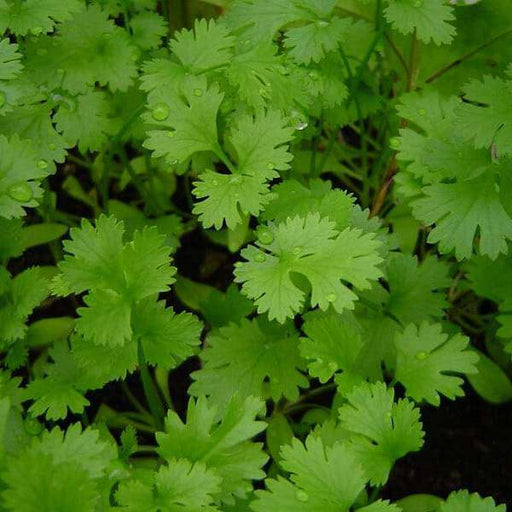
Cilantro Split Seeds Imported Coriander - Microgreen Seeds

Save 35% Save 35%
Original price ₹ 149
Original price ₹ 149 - Original price ₹ 149
Original price ₹ 149
Current price ₹ 97
₹ 97 - ₹ 97
Current price ₹ 97

(MRP Inclusive of all taxes)

Availability:
35 in stock, ready to be shipped

Why it’s special?

  • Quick sprouting seeds
  • Imported coriander quality
  • Pot-friendly herb
  • Culinary use ready
  • Microgreen harvest

Complete your sowing kit

  • Garden Potting Soil Mix (5 kg) ₹299
  • Vermicompost (1 kg, set of 2) ₹179
  • Garden Essential Plant Care Kit ₹599

Shipping : ₹79 for the entire order

Country of origin: India

Frequently bought together

Total for 0 selected

Cilantro Split Seeds Imported Coriander - Microgreen Seeds

Discover the vibrant flavor and health benefits of our Cilantro Split Seeds, imported coriander microgreen seeds. These seeds are perfect for home gardeners and culinary enthusiasts alike, offering a fresh, aromatic addition to your dishes. Rich in vitamins A, C, and K, cilantro microgreens are not only delicious but also packed with antioxidants, making them a nutritious choice for salads, sandwiches, and garnishes.

What sets our cilantro split seeds apart is their exceptional germination rate and robust flavor profile. These seeds are specially selected for their ability to thrive in various growing conditions, ensuring a bountiful harvest. With a quick growth cycle, you can enjoy fresh cilantro microgreens in just 7-14 days!

Our cilantro microgreens are not just a culinary delight; they also contribute positively to the environment. By growing your own microgreens, you reduce your carbon footprint and promote sustainable gardening practices. Enjoy the satisfaction of cultivating your own food while enhancing your meals with this aromatic herb.

Why It's Special

  • High germination rate for reliable growth.
  • Rich in essential vitamins and antioxidants.
  • Versatile use in various culinary applications.

Special Features

  • Imported quality seeds for superior flavor.
  • Fast-growing microgreens ready in 7-14 days.
  • Environmentally friendly choice for home gardening.

Growing Instructions

  • Soak seeds in water for 4-6 hours before planting.
  • Use a shallow tray with drainage holes and fill with potting soil.
  • Sprinkle seeds evenly on the soil surface and cover lightly with soil.
  • Water gently to moisten the soil without over-saturating.
  • Place in a warm, sunny location or under grow lights.

Care Instructions

  • Keep the soil consistently moist but not soggy.
  • Provide adequate light for 12-16 hours a day.
  • Thin seedlings if overcrowded to promote healthy growth.
  • Harvest when microgreens are 2-4 inches tall for optimal flavor.

Uses

  • Add to salads for a fresh, zesty flavor.
  • Use as a garnish for soups and entrees.
  • Incorporate into smoothies for a nutrient boost.
  • Enhance tacos, burritos, and salsas with fresh cilantro.

Fun Facts

  • Cilantro is known as coriander in many parts of the world.
  • Historically, cilantro has been used for its medicinal properties since ancient times.
  • Microgreens can contain up to 40 times more nutrients than their mature counterparts.
  • Cilantro is a natural detoxifier and may help reduce inflammation.

Trending Collections

Cilantro Microgreens

If you think cilantro is just a garnish, think again! Cilantro microgreens are the rock stars of the herb world, packing a punch of flavor and nutrients in tiny leaves. These little green wonders are perfect for adding a fresh zing to your salads, sandwiches, and even smoothies. Plus, they grow quickly, so you can have a mini herb garden right on your kitchen counter. Who knew being a culinary genius could be so easy?

Imported Coriander Seeds

When it comes to flavor, imported coriander seeds are like the international travelers of the spice rack. Sourced from far-off lands, these seeds bring a unique taste that can elevate your dishes from mundane to magnificent. Whether you're whipping up a curry or baking some bread, these seeds will add a depth of flavor that will have your taste buds doing a happy dance. Say goodbye to bland meals and hello to a world of culinary adventure!

Cilantro Seed Germination

Germination is the magical moment when seeds transform into vibrant plants, and cilantro seeds are no exception. With a little patience and the right conditions, you can witness the birth of your very own cilantro microgreens. Just sprinkle those seeds, give them some love, and watch as they sprout into life. It’s like a mini miracle happening right in your kitchen, and you get to be the proud parent of these green beauties!

Cilantro Health Benefits

Move over kale, cilantro is here to steal the health spotlight! Packed with antioxidants, vitamins, and minerals, cilantro is a nutritional powerhouse. It’s known to aid digestion, detoxify the body, and even fight inflammation. So, the next time you sprinkle cilantro on your tacos, remember you’re not just adding flavor; you’re also giving your body a little health boost. Who knew being healthy could taste so good?

Cilantro Flavor Profile

Cilantro has a flavor profile that’s as complex as a good novel. With its fresh, citrusy notes and a hint of earthiness, it can elevate any dish from ordinary to extraordinary. Some people love it, while others claim it tastes like soap—talk about a polarizing herb! Whether you’re team cilantro or not, there’s no denying its ability to add a burst of freshness to your culinary creations.

Microgreen Growing Kits

If you’re ready to dive into the world of microgreens, a growing kit is your best friend. These kits come with everything you need to start your mini garden, including seeds, soil, and instructions. It’s like having a personal gardening assistant without the awkward small talk. In no time, you’ll be harvesting your own cilantro microgreens and impressing your friends with your newfound green thumb. Who knew gardening could be this easy?

Cilantro in Cooking

Cilantro is the culinary equivalent of a surprise party—unexpected yet delightful! It can be used in a variety of dishes, from salsas to soups, and even as a finishing touch on gourmet plates. Its versatility makes it a must-have in any kitchen. So, whether you’re a seasoned chef or a microwave master, don’t underestimate the power of cilantro to elevate your cooking game. Get ready to wow your taste buds!

Cilantro vs. Parsley

The age-old debate: cilantro or parsley? While both herbs have their merits, cilantro brings a unique flavor that parsley just can’t match. It’s like comparing apples to oranges—both are great, but one has that zesty kick that makes your taste buds sing. So, if you’re looking to spice things up in your cooking, cilantro is the herb for you. Let the cilantro vs. parsley showdown begin!

Cilantro Storage Tips

You’ve harvested your cilantro microgreens, but how do you keep them fresh? Fear not! With a few simple storage tips, you can extend the life of your precious greens. Store them in a damp paper towel inside a plastic bag in the fridge, and they’ll stay fresh for days. It’s like giving your cilantro a spa day, ensuring it remains vibrant and ready to add flavor to your meals. Freshness is key, my friend!

Cilantro Recipes

Looking for ways to incorporate cilantro into your meals? The possibilities are endless! From zesty cilantro lime rice to refreshing cilantro pesto, this herb can take your dishes to new heights. You can even blend it into smoothies for a refreshing twist. So, roll up your sleeves and get creative in the kitchen—your taste buds will thank you for the cilantro-infused culinary adventure!

Cilantro for Beginners

New to the world of herbs? Don’t worry; cilantro is the perfect starting point for budding chefs. It’s easy to grow, quick to harvest, and adds a burst of flavor to any dish. Plus, it’s forgiving—if you forget to water it once or twice, it’ll still thrive. So, grab some cilantro seeds and get ready to embark on your herb-growing journey. Who knows, you might just discover your inner green thumb!

Save 40% with Gardening Solutions

You may also need

View All

Frequently asked questions

What exactly are Cilantro Split Seeds and why are they split?
These are imported coriander seeds that have been split into their two halves, which is done to speed up and improve germination for microgreens. A whole coriander seed is actually two seeds fused together, and splitting removes that barrier so sprouting is faster and more even. This makes them especially convenient for quick microgreen trays.
How do I grow cilantro microgreens from these split seeds?
Spread the split seeds densely and evenly over a shallow tray of moist potting mix or cocopeat, then press lightly and cover with a thin layer. Keep the surface consistently damp, ideally misting rather than pouring, and place in indirect light until sprouts appear, then move to brighter light. In a couple of weeks you harvest the young greens with scissors.
How long do these split coriander seeds take to sprout?
Because they are pre-split, they sprout noticeably faster than whole seed, usually showing sprouts within about 5 to 10 days. Warmth around 20 to 25 C and steady moisture give the quickest, most uniform germination. Keeping the tray covered for the first few days helps hold humidity and speed things along.
How many days until cilantro microgreens are ready to harvest?
Cilantro microgreens are typically ready about 2 to 3 weeks from sowing, once the first true leaves appear and the greens stand 5 to 8 cm tall. Snip them just above the soil line with clean scissors. Harvest fresh as needed, since these delicate greens are best used soon after cutting.
Do I need soil, or can I grow these microgreens on a tray without it?
You can grow them either way. A thin layer of potting mix or cocopeat gives sturdy, easy-to-harvest greens, while a soil-free method on damp paper towel or a hydroponic mat also works for a clean harvest. Whichever you choose, even moisture and good airflow are the keys to avoiding mould.
How much light do cilantro microgreens need indoors?
After the first few days of sprouting in low light, give them bright indirect light or a few hours of gentle sun on a windowsill to green up and develop flavour. They do not need intense direct sun and can even grow under a grow light. Too little light makes them pale and leggy, so a bright kitchen counter or windowsill is ideal.
How often should I water cilantro microgreens?
Keep the growing medium consistently moist but never waterlogged, usually misting once or twice a day. Overwatering is the main cause of mould and damping-off in dense microgreen trays, so aim for damp rather than wet. Watering from the base, letting the tray wick moisture up, also keeps the delicate leaves dry and healthy.
Why did some of my microgreen seeds fail to sprout or turn mouldy?
Patchy sprouting usually comes from uneven moisture or sowing too thickly, while a fuzzy white growth is mould from overwatering and poor airflow. Sow evenly, keep the medium just damp, and ensure some ventilation around the tray. Note that fine white root hairs near the stem base are normal and are often mistaken for mould.
Can I let these split seeds grow on into full coriander plants?
These are sold and optimised for microgreen harvest, and because the seeds are split they are best used for that quick young-leaf crop. You could try growing a few on, but split seed is intended for dense microgreen sowing rather than long-term plants. For full leafy dhania or seed production, a whole-seed desi coriander variety is more suitable.
How do these microgreens compare in flavour to mature cilantro leaves?
Cilantro microgreens carry the same fresh, citrusy, slightly earthy flavour as mature leaves but in a more tender, concentrated young form. They deliver a bright burst of cilantro taste that is milder in texture and easy to use raw. As with the full herb, some people love the flavour intensely while others find it soapy.
What is the best way to use cilantro microgreens in cooking?
Use them fresh and raw as a finishing garnish, since heat dulls their delicate flavour. They are excellent scattered over salads, sandwiches, tacos, soups, curries and chaats, or blended into chutneys and smoothies for a zesty lift. Add them at the very end of cooking or just before serving for the best aroma.
Do cilantro microgreens regrow after I cut them?
Unlike some cut-and-come-again herbs, cilantro microgreens generally do not regrow well after harvesting, as they are cut at the stem with little leaf left. It is best to treat each tray as a single harvest and simply resow for a continuous supply. Staggering sowings every week or two keeps fresh greens coming.
Are these microgreens easy to grow for a complete beginner?
Yes, they are highlighted as easy to grow and are one of the most beginner-friendly microgreens. They need only a shallow container, some moist medium, indirect light and a spray bottle, and they forgive the occasional lapse. Fast sprouting and a quick harvest make them a rewarding first project for new growers.
Can I grow these microgreens year-round in Indian conditions?
Yes, grown indoors on a counter or windowsill they can be sown throughout the year, since you control the light and moisture. They prefer moderate temperatures around 18 to 27 C, so in peak summer keep trays out of harsh direct sun and in a cooler spot. In humid monsoon weather, extra airflow helps prevent mould.
How should I store the unused Cilantro Split Seeds?
Keep them in an airtight container in a cool, dark, dry place away from humidity to preserve their germination. In damp Indian climates, a silica sachet or a little dry rice in the jar helps keep moisture out. Because split seeds have exposed inner surfaces, use them within a season or so for the best sprouting rates.
Fully-Grown Plants

Nursery-mature, not 4-inch saplings

Next-Day Delivery

At your door tomorrow — not a 4–7 day wait

Nursery-Fresh

Ready to flourish, no growing-in

Lowest Prices

Straight from local growers