What is Schrebera swietenioides?
Schrebera swietenioides, also known as the Indian cork tree, is a tropical tree native to Southeast Asia. It boasts a stunning canopy and fragrant flowers, making it a favorite among nature lovers. This tree is not just a pretty face; it also plays a vital role in local ecosystems, providing habitat and food for various wildlife.
Where can I find Schrebera swietenioides?
You can find Schrebera swietenioides in tropical and subtropical regions, particularly in countries like India, Sri Lanka, and Malaysia. It thrives in well-drained soils and loves a good dose of sunlight. So, if you're planning a tropical getaway, keep your eyes peeled for this beauty in local parks or botanical gardens!
How tall does Schrebera swietenioides grow?
Schrebera swietenioides can reach impressive heights of up to 30 meters (about 98 feet). That's taller than your average giraffe! With its majestic stature, it provides ample shade and a stunning visual for any landscape. Just imagine lounging under its leafy embrace while sipping a coconut drink—pure bliss!
What are the uses of Schrebera swietenioides?
This versatile tree is not just a pretty sight; its wood is prized for furniture and construction. Additionally, its bark and leaves have traditional medicinal uses in various cultures. So, whether you're looking to furnish your home or cure a cold, Schrebera swietenioides has got you covered—talk about multitasking!
Is Schrebera swietenioides easy to grow?
Growing Schrebera swietenioides can be a walk in the park if you live in the right climate. It prefers warm, humid conditions and well-drained soil. Just remember to give it plenty of sunlight and water, and it will reward you with a stunning display of foliage and flowers. Gardening has never been so rewarding!
What are the environmental benefits of Schrebera swietenioides?
Schrebera swietenioides is an eco-warrior! It helps combat soil erosion, improves air quality, and provides habitat for various species. Its lush foliage acts as a carbon sink, absorbing CO2 like a pro. Planting this tree is like giving Mother Nature a high-five—she’ll appreciate it, and so will the planet!
Are there any pests that affect Schrebera swietenioides?
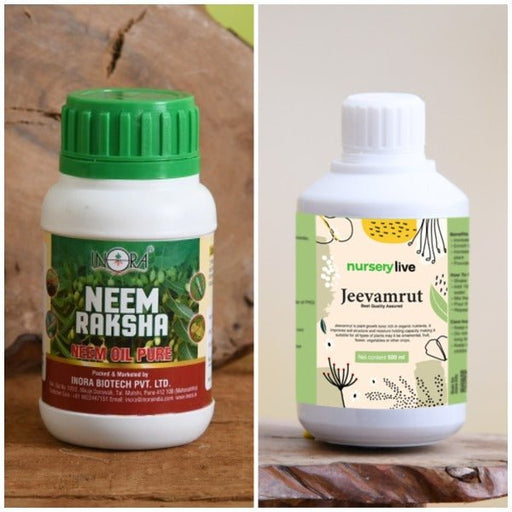
Like any diva, Schrebera swietenioides can attract a few pests. Common culprits include aphids and scale insects, which can be pesky but manageable. Regular inspections and a little neem oil can keep these intruders at bay. After all, every star needs a good bodyguard to maintain their fabulous reputation!
Can Schrebera swietenioides tolerate drought?
While Schrebera swietenioides prefers a humid environment, it can withstand short periods of drought. However, prolonged dry spells may leave it looking a bit wilted. Think of it as a tropical vacation—too much sun without water can lead to a sunburn! Regular watering during dry spells will keep it looking fabulous.
What is the flowering season for Schrebera swietenioides?
Schrebera swietenioides typically blooms during the warmer months, usually from late spring to early summer. Its fragrant flowers attract pollinators like bees and butterflies, turning your garden into a buzzing paradise. So, if you want to impress your neighbors, plant this tree and let the floral fiesta begin!
Is Schrebera swietenioides suitable for urban areas?
Absolutely! Schrebera swietenioides can thrive in urban settings, provided it has enough space to spread its roots and branches. Its shade and beauty can enhance city landscapes, making it a perfect candidate for parks and streetscapes. Just be sure to give it some room to grow—no one likes a cramped tree!
How do I propagate Schrebera swietenioides?
Propagating Schrebera swietenioides can be done through seeds or cuttings. For seeds, soak them overnight before planting to boost germination. If you prefer cuttings, take a healthy branch, dip it in rooting hormone, and plant it in well-draining soil. With a little patience, you’ll have a mini forest in no time!
What are the common names for Schrebera swietenioides?
Schrebera swietenioides goes by several charming nicknames, including Indian cork tree and cork tree. These names reflect its unique cork-like bark and its origins. So, whether you call it Schrebera or just “that gorgeous tree,” it’s sure to turn heads and spark conversations wherever it grows!


 White Marble Pebbles (1 kg)
₹199
White Marble Pebbles (1 kg)
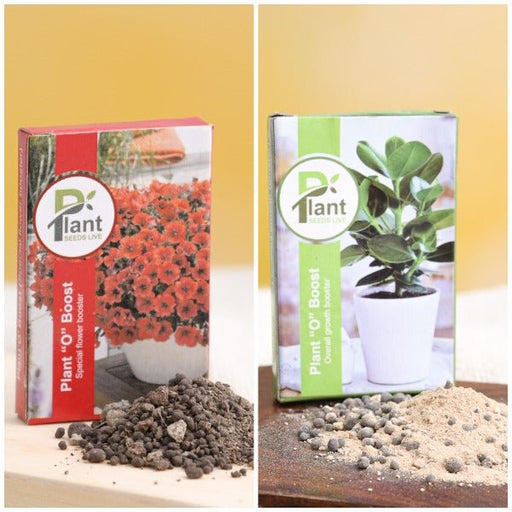
₹199 Plant O Boost — Growth Booster
₹239
Plant O Boost — Growth Booster
₹239 Garden Essential Plant Care Kit
₹599
Garden Essential Plant Care Kit
₹599