What is Rosmarinus officinalis?
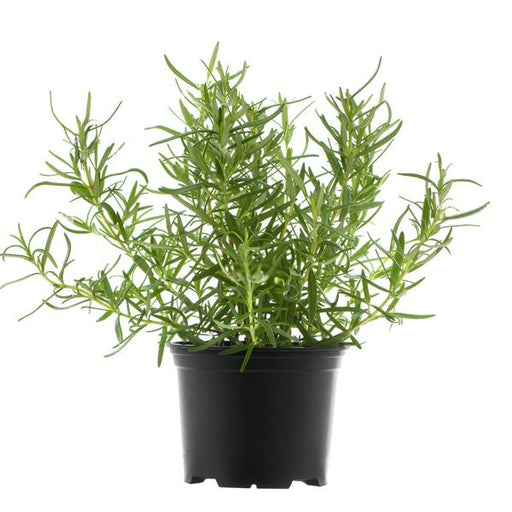
Rosmarinus officinalis, commonly known as rosemary, is a fragrant evergreen herb native to the Mediterranean. It’s like the culinary superstar of the herb world, adding pizzazz to dishes while also being a champion of health benefits. Think of it as the herb that brings both flavor and flair to your kitchen!
How do I grow Rosmarinus officinalis?
Growing rosemary is easier than finding a good pun! Plant it in well-drained soil, give it plenty of sunlight, and water sparingly. This herb thrives on neglect, so don’t worry if you forget to water it occasionally. Just remember, it’s a Mediterranean diva that prefers a little drought!
What are the health benefits of Rosmarinus officinalis?
Rosemary isn’t just a pretty face; it’s packed with antioxidants and anti-inflammatory compounds. It’s said to boost memory, improve digestion, and even enhance mood. So, if you’re feeling forgetful, a sprinkle of rosemary might just jog your memory—no magic wand required!
Can I use Rosmarinus officinalis in cooking?
Absolutely! Rosemary is the culinary equivalent of a rock star. It pairs beautifully with meats, potatoes, and even bread. Just a sprig can elevate your dish from “meh” to “magnificent.” So, channel your inner chef and let rosemary take your taste buds on a wild ride!
Is Rosmarinus officinalis easy to care for?
Oh, it’s a low-maintenance superstar! Rosemary thrives on neglect, making it perfect for those who can’t keep a cactus alive. Just give it sunlight, well-drained soil, and a little love, and it’ll reward you with aromatic leaves. It’s the herb that practically takes care of itself!
Can Rosmarinus officinalis be grown indoors?
Yes, indeed! Rosemary can be a fabulous indoor companion. Just ensure it gets plenty of sunlight—think of it as a sunbather in your kitchen. With the right pot and care, you’ll have fresh rosemary at your fingertips, ready to jazz up your culinary creations!
What pests affect Rosmarinus officinalis?
While rosemary is generally pest-resistant, it can occasionally attract aphids and spider mites. Think of them as uninvited guests at a party. A gentle spray of water or insecticidal soap can send them packing. Keep your rosemary healthy, and it’ll fend off those pesky party crashers!
How do I harvest Rosmarinus officinalis?
Harvesting rosemary is like snipping a bouquet of flavor! Use sharp scissors to cut sprigs, ideally in the morning when the oils are most potent. Don’t be shy—regular harvesting encourages bushier growth. Just remember, a little goes a long way, so don’t overdo it unless you’re hosting a feast!
Can I propagate Rosmarinus officinalis?
Absolutely! Rosemary loves to make new friends. You can propagate it through cuttings or seeds. Just take a healthy cutting, place it in water or soil, and watch it grow. It’s like giving your rosemary a chance to expand its social circle—herb style!
What are the culinary uses of Rosmarinus officinalis?
Rosemary is a versatile herb that loves to mingle! Use it in marinades, roasted vegetables, or even infused oils. It’s also a fantastic addition to bread and pizza. With its robust flavor, rosemary can turn any dish into a gourmet experience—no Michelin star required!
Is Rosmarinus officinalis safe for pets?
While rosemary is generally safe for pets in small amounts, it’s best to keep it out of their reach. Too much can lead to digestive upset for our furry friends. So, enjoy your rosemary, but maybe don’t let your dog join the herb party—better safe than sorry!
What is the ideal climate for Rosmarinus officinalis?
Rosemary thrives in warm, sunny climates—think Mediterranean vibes! It loves well-drained soil and can tolerate drought. If you live in a cooler area, consider growing it in pots so you can bring it indoors during chilly months. It’s the herb that dreams of sunbathing all year round!


 White Marble Pebbles (1 kg)
₹199
White Marble Pebbles (1 kg)
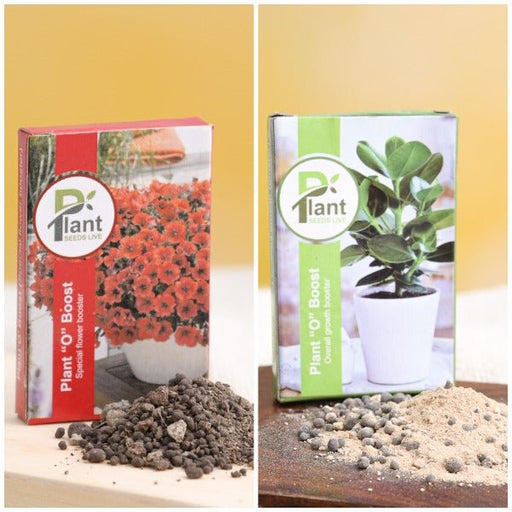
₹199 Plant O Boost — Growth Booster
₹239
Plant O Boost — Growth Booster
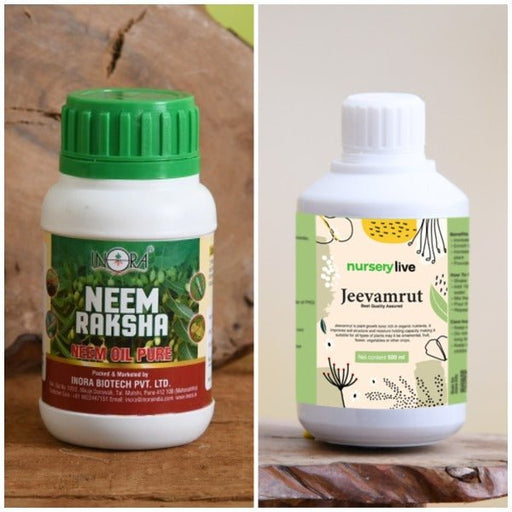
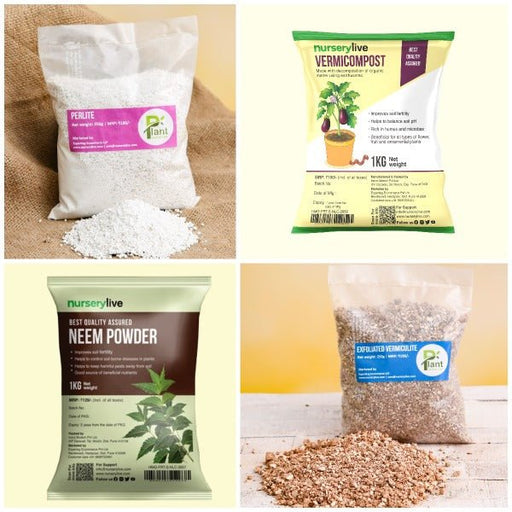
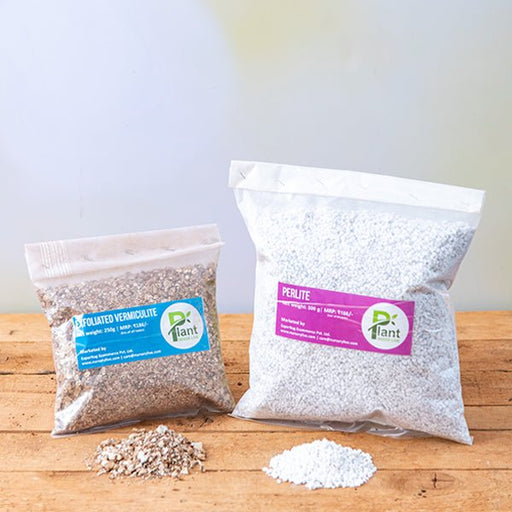
₹239 Garden Essential Plant Care Kit
₹599
Garden Essential Plant Care Kit
₹599