Quercus alba benefits
If you’re looking for a tree that’s not just a pretty face, Quercus alba, or the white oak, is your go-to. This majestic tree offers a plethora of benefits, from providing shade that makes summer picnics a breeze to producing acorns that are a gourmet delight for squirrels. Plus, its strong wood is a favorite for furniture makers, ensuring that your tree is not just a backyard ornament but a contributor to fine craftsmanship. Planting a Quercus alba is like investing in a natural air purifier, as it absorbs carbon dioxide and releases oxygen. So, while you’re lounging under its expansive canopy, you can breathe easy knowing you’re doing your part for the planet.
Quercus alba growth rate
If you’re impatiently tapping your foot waiting for your Quercus alba to grow, you might want to take a deep breath. This tree is not a speedster; it’s more of a slow and steady type. Typically, you can expect a growth rate of about 1 to 2 feet per year. But don’t let that deter you! Good things come to those who wait, and this tree will reward your patience with a stunning presence that can reach heights of 50 to 80 feet. Think of it as the tortoise in the race of life—slow but ultimately majestic. So, while your neighbors might be planting fast-growing poplars, you’ll be cultivating a timeless beauty that will stand tall for generations.
Quercus alba habitat
Quercus alba is a tree that knows how to pick its friends. Native to the eastern United States, it thrives in well-drained, sandy or loamy soils, often found in mixed hardwood forests. This tree loves to hang out with its buddies like hickories and maples, creating a vibrant ecosystem that’s a haven for wildlife. If you’re thinking of planting one, make sure it has plenty of room to stretch its roots and branches. It’s not a fan of soggy feet, so avoid swampy areas unless you want your tree to feel like it’s on a permanent vacation in a bog. Give it the right habitat, and it’ll reward you with a stunning display of fall colors that’ll make your neighbors green with envy.
Quercus alba care
Caring for your Quercus alba is like nurturing a fine wine; it requires patience and a little know-how. First off, make sure it’s planted in a sunny spot—this tree loves to soak up the rays. Water it regularly, especially during its early years, but don’t drown it; Quercus alba prefers a well-drained soil that doesn’t turn into a swamp. Mulching is your best friend here, keeping the roots cool and the weeds at bay. Pruning is also essential, but don’t go overboard; a little snip here and there will do. Remember, this tree is a long-term commitment, so treat it like the family member it is—give it love, attention, and the occasional compliment about its stunning foliage.
Quercus alba acorns
Ah, the acorns of Quercus alba—nature’s little nuggets of joy! These acorns are not just food for squirrels; they’re a buffet for a variety of wildlife, including deer and birds. If you’re thinking of planting a Quercus alba, get ready for a seasonal show of acorn production that can turn your yard into a wildlife hotspot. But beware, these acorns can be a bit of a nuisance if you’re not a fan of crunchy snacks underfoot. They’re also a great conversation starter at parties: “Did you know these acorns can be ground into flour?” So, while you enjoy the beauty of your tree, remember that you’re also hosting a culinary adventure for the local critters.
Quercus alba wood
When it comes to wood, Quercus alba is the rock star of the forest. Known for its durability and strength, this wood is a favorite among furniture makers and craftsmen. It’s like the Swiss Army knife of lumber—perfect for everything from flooring to cabinetry. The beautiful grain patterns and light color make it a sought-after choice for those looking to add a touch of elegance to their homes. Plus, it’s resistant to warping and decay, so you won’t have to worry about your furniture falling apart after a few years. So, if you’re considering a home project, remember that Quercus alba wood is not just a material; it’s a statement piece that says, “I appreciate quality.”
Quercus alba landscaping
If you’re looking to elevate your landscaping game, Quercus alba is the ultimate showstopper. This tree can serve as a stunning focal point in your yard, providing shade and beauty that will make your neighbors green with envy. Its broad canopy offers a perfect spot for a hammock, turning your backyard into a relaxation paradise. Plus, the fall foliage is a spectacle that will have you reaching for your camera. Planting a Quercus alba is like adding a piece of art to your landscape—one that changes with the seasons. Just be sure to give it enough space to grow; this tree doesn’t do well in cramped quarters. So, roll up your sleeves and get ready to create a landscape that’s the envy of the neighborhood.
Quercus alba diseases
Like any celebrity, Quercus alba has its fair share of drama, particularly when it comes to diseases. While generally hardy, it can fall victim to a few pesky ailments like powdery mildew and oak wilt. But fear not! With a little vigilance and care, you can keep your tree in tip-top shape. Regular inspections are key; look for any signs of distress, like wilting leaves or unusual spots. If you spot trouble, consult an arborist who can help you navigate the treatment options. Think of it as a tree spa day—sometimes, even the mightiest oaks need a little TLC. With proper care, your Quercus alba will continue to thrive and be the envy of the forest.
Quercus alba propagation
Propagating Quercus alba is like playing matchmaker for trees. The most common method is through acorns, which you can collect in the fall. Just make sure they’re from a healthy tree—no one wants to set up a date with a dud! After collecting, soak the acorns in water for a day to test their viability; the floaters are no good. Plant the acorns in well-drained soil, and voilà! You’re on your way to growing your very own white oak. Just remember, patience is key; these little acorns take time to grow into the majestic trees they’re destined to be. So, grab your gardening gloves and get ready to nurture some future giants!
Quercus alba uses
Quercus alba is not just a pretty face; it’s a multitasker in the world of trees. Beyond its stunning appearance, this oak has a variety of uses that make it a true asset to any landscape. Its acorns are a vital food source for wildlife, while its strong, durable wood is perfect for crafting furniture, flooring, and even barrels for aging fine wines. Yes, you heard that right—your Quercus alba could be part of the next vintage! Additionally, its shade is a welcome relief on hot summer days, making it a favorite spot for family gatherings. So, when you plant a Quercus alba, you’re not just adding a tree; you’re investing in a whole ecosystem of benefits that will keep on giving for years to come.
Quercus alba history
The history of Quercus alba is as rich as its wood. This tree has been a staple in American forests for centuries, playing a significant role in the lives of Native Americans and early settlers. They used its acorns for food and its wood for building sturdy homes and canoes. Fast forward to today, and Quercus alba is still celebrated for its beauty and utility. It’s often featured in literature and art, symbolizing strength and endurance. So, when you plant a Quercus alba, you’re not just adding a tree to your yard; you’re connecting with a legacy that has stood the test of time. It’s like having a piece of history right in your backyard, ready to tell its story for generations to come.


 White Marble Pebbles (1 kg)
₹199
White Marble Pebbles (1 kg)
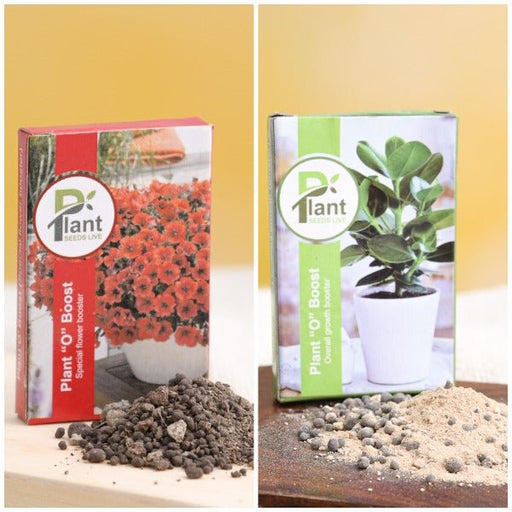
₹199 Plant O Boost — Growth Booster
₹239
Plant O Boost — Growth Booster
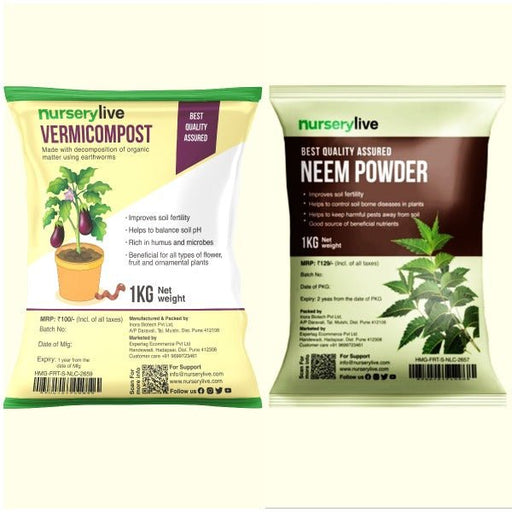
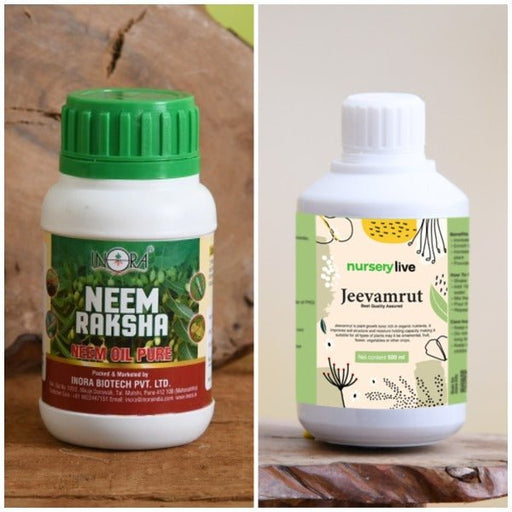
₹239 Garden Essential Plant Care Kit
₹599
Garden Essential Plant Care Kit
₹599