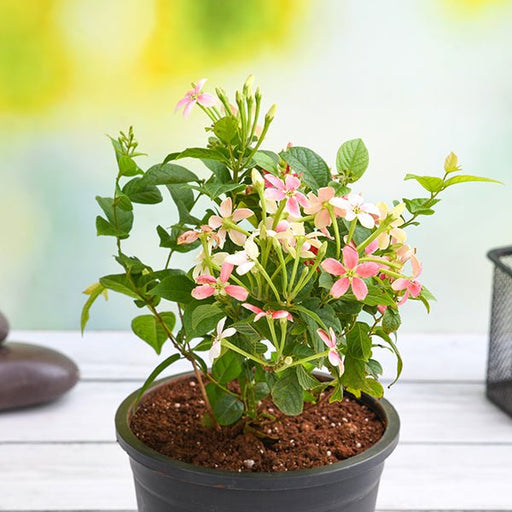
What is Plumbago indica?
Plumbago indica, also known as leadwort, is a charming flowering plant native to tropical regions. With its vibrant blue flowers and lush green foliage, it’s like nature’s own confetti! Perfect for gardens, it attracts butterflies and adds a splash of color, making it a favorite among plant enthusiasts. Who wouldn’t want a little party in their garden?
How do I care for Plumbago indica?
Caring for Plumbago indica is a breeze! It loves well-drained soil and plenty of sunlight, so think of it as a sunbather. Water it regularly, but don’t drown it—this plant prefers a light drink. Pruning helps keep it tidy, and soon you’ll have a blooming beauty that’s the envy of your neighbors!
Is Plumbago indica invasive?
Plumbago indica can be a bit of a party crasher in some regions! While it’s not classified as invasive everywhere, it can spread quickly in ideal conditions. Keep an eye on it, and if it starts to take over, a little pruning will remind it who’s boss. After all, every garden needs a little balance!
Can Plumbago indica grow in pots?
Absolutely! Plumbago indica is a pot superstar. Just ensure your container has drainage holes, and fill it with well-draining soil. It loves to stretch its roots, so choose a spacious pot. With the right care, you’ll have a portable garden delight that can brighten up any patio or balcony. Who says you can’t take the garden with you?
What are the common pests of Plumbago indica?
Plumbago indica may attract a few uninvited guests like aphids and spider mites. These little critters can be pesky, but don’t fret! A gentle spray of water or insecticidal soap can send them packing. Keep your plant healthy, and it’ll be less appealing to these pests. After all, who wants to crash a healthy party?
When does Plumbago indica bloom?
Plumbago indica loves to show off its blooms from late spring to fall. It’s like a floral fireworks display that lasts for months! The vibrant blue flowers will have you reaching for your camera. Just give it the right conditions, and it’ll reward you with a stunning show that’ll make your garden the talk of the town.
Is Plumbago indica toxic to pets?
Good news for pet lovers! Plumbago indica is generally considered non-toxic to cats and dogs. So, if your furry friend decides to take a nibble, you can breathe easy. However, it’s always wise to keep an eye on your pets, as they can be unpredictable. Better safe than sorry when it comes to curious critters!
How fast does Plumbago indica grow?
Plumbago indica is a speedy grower, often reaching its full height of 3 to 6 feet in just a couple of growing seasons. It’s like the Usain Bolt of the plant world! With the right care, you’ll have a lush, flowering spectacle in no time. Just remember, good things come to those who wait… and water!
Can Plumbago indica survive winter?
Plumbago indica is a tropical diva and doesn’t fancy cold weather. In frost-prone areas, it’s best to bring it indoors or provide protection. If it does get a chill, it might sulk and lose its leaves. But don’t worry; it’ll bounce back when the warmth returns. Just think of it as a seasonal hibernation!
What soil is best for Plumbago indica?
Plumbago indica thrives in well-draining soil that’s rich in organic matter. Think of it as a gourmet meal for your plant! A mix of potting soil and sand or perlite will do the trick. This plant doesn’t like soggy feet, so ensure good drainage. With the right soil, it’ll be living its best life!
How often should I water Plumbago indica?
Watering Plumbago indica is like giving it a refreshing drink—just don’t overdo it! Aim for once a week, allowing the top inch of soil to dry out between waterings. In hotter months, it might need a little more love. Just remember, a thirsty plant is a happy plant, but a drowning plant is a sad one!
Can Plumbago indica be propagated?
Yes, Plumbago indica is a generous plant that loves to share! You can propagate it through cuttings or seeds. Just take a healthy cutting, let it root in water or soil, and voilà! You’ll have new plants to spread the joy. It’s like multiplying your garden happiness without any extra effort. Who doesn’t love a good plant party?


 White Marble Pebbles (1 kg)
₹199
White Marble Pebbles (1 kg)
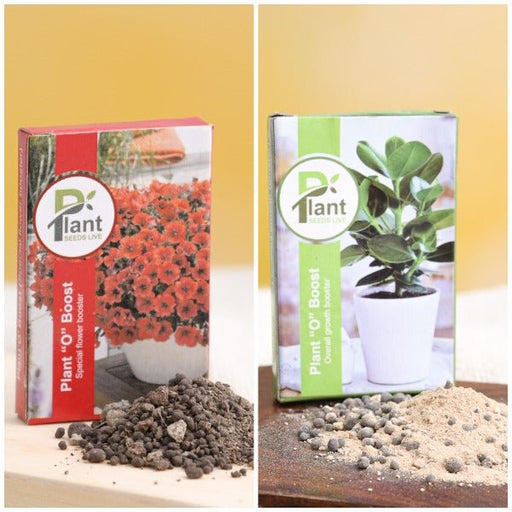
₹199 Plant O Boost — Growth Booster
₹239
Plant O Boost — Growth Booster
₹239 Garden Essential Plant Care Kit
₹599
Garden Essential Plant Care Kit
₹599