What are Plantago spp. - Plant?
Plantago spp. refers to a diverse group of flowering plants, commonly known as plantains. These green wonders are not just for your salad; they boast medicinal properties and are often found in herbal remedies. Think of them as nature's multitaskers, ready to tackle everything from digestive woes to skin irritations.
Where can I find Plantago spp. - Plant?
You can find Plantago spp. thriving in various habitats, from your backyard to wild meadows. They love disturbed soils, so if you see a patch of green peeking through the cracks, it might just be a plantain party! Just remember, they’re not picky; they’ll grow almost anywhere, even in your garden.
How do I identify Plantago spp. - Plant?
Identifying Plantago spp. is like playing botanical bingo! Look for broad, oval leaves that form a rosette close to the ground. Their flower spikes are tall and slender, waving hello like they’re at a concert. If you spot these features, congratulations! You’ve found a plantain, ready to impress with its versatility.
Are Plantago spp. - Plant edible?
Absolutely! Plantago spp. are not just pretty faces; they’re edible too! Young leaves can be tossed in salads or cooked like spinach. Just remember to wash them well, as they might have a few dirt buddies. So, go ahead and add a touch of wild to your plate—your taste buds will thank you!
What are the health benefits of Plantago spp. - Plant?
Plantago spp. are like nature’s little health boosters! They’re packed with vitamins, minerals, and antioxidants. Traditionally, they’ve been used to soothe coughs, heal wounds, and even ease digestive issues. So, if you’re feeling under the weather, consider these green gems as your herbal sidekicks in the quest for wellness.
Can Plantago spp. - Plant be used for skin care?
You bet! Plantago spp. have been the go-to for skin care since ancient times. Their leaves can be crushed to create a soothing poultice for minor cuts and insect bites. Think of them as your natural first-aid kit, ready to save the day when your skin needs a little TLC.
How do I grow Plantago spp. - Plant?
Growing Plantago spp. is as easy as pie! They thrive in well-drained soil and love a sunny spot. Just scatter the seeds, give them a little water, and watch them sprout like eager green soldiers. Before you know it, you’ll have a flourishing patch of plantains, ready to serve up their benefits!
Are there any side effects of Plantago spp. - Plant?
While Plantago spp. are generally safe, moderation is key! Some folks might experience allergic reactions or digestive upset if they overindulge. Always consult a healthcare professional before diving into herbal remedies. Remember, even nature’s best can have a mischievous side if not treated with respect!
Can I use Plantago spp. - Plant for allergies?
Yes, indeed! Plantago spp. have a reputation for helping with allergies. Their anti-inflammatory properties can soothe irritated airways and reduce sneezing fits. However, they’re not a magic wand—always consult your doctor for a comprehensive allergy plan. Think of plantains as your herbal sidekick, not the superhero of allergy relief!
How do I prepare Plantago spp. - Plant for consumption?
Preparing Plantago spp. is a breeze! Simply wash the leaves thoroughly to remove any dirt, then chop them up for salads or sauté them for a warm dish. You can also brew them into a tea for a soothing sip. Just remember, a little culinary creativity goes a long way with these green delights!
Can Plantago spp. - Plant be used in teas?
Absolutely! Plantago spp. make a delightful herbal tea. Just steep the dried leaves in hot water for about 10 minutes, and voilà! You’ve got yourself a soothing brew that may help with coughs and digestion. Sip away and let the plantain magic work its wonders, one cup at a time!
What is the best time to harvest Plantago spp. - Plant?
The best time to harvest Plantago spp. is in the spring or early summer when the leaves are young and tender. This is when they’re bursting with flavor and nutrients. Just be sure to leave some behind for the plant to thrive. After all, sharing is caring—even in the plant world!


 White Marble Pebbles (1 kg)
₹199
White Marble Pebbles (1 kg)
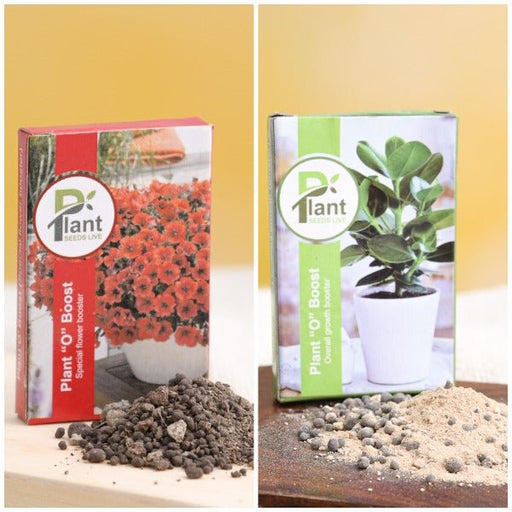
₹199 Plant O Boost — Growth Booster
₹239
Plant O Boost — Growth Booster
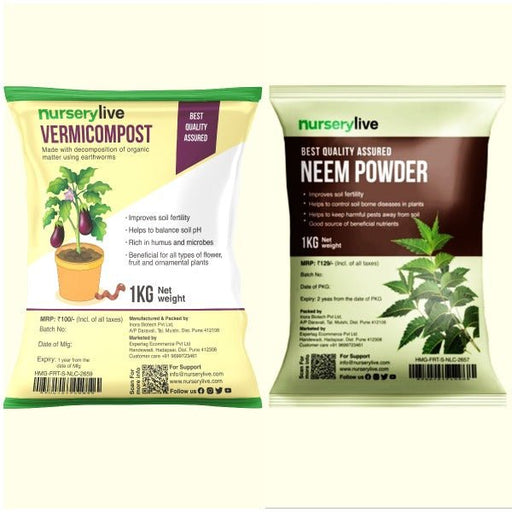
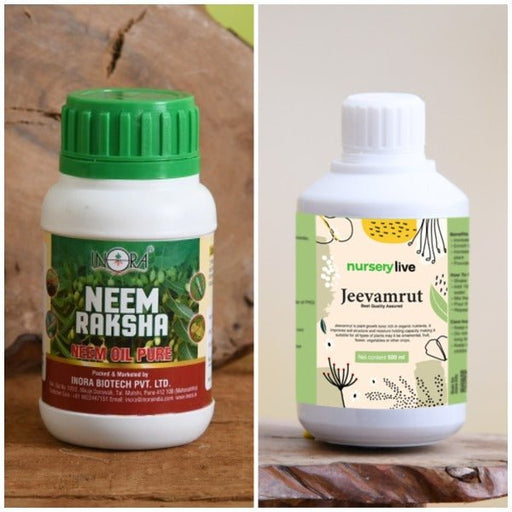
₹239 Garden Essential Plant Care Kit
₹599
Garden Essential Plant Care Kit
₹599