What is Piper hispidinervum?
Piper hispidinervum is a tropical plant from the Piperaceae family, known for its unique foliage and aromatic properties. Often found in rainforests, it’s like the cool cousin of the pepper family, bringing a touch of exotic flair to your garden. Just don’t expect it to spice up your dinner—it's more of a decorative diva!
Where can I find Piper hispidinervum?
You can find Piper hispidinervum in tropical regions, particularly in Southeast Asia. It thrives in humid environments, so if you’re planning a vacation, consider a botanical tour! Just remember, it’s not a souvenir you can pack in your suitcase—unless you’re a plant whisperer with a green thumb and a penchant for adventure.
How do I care for Piper hispidinervum?
Caring for Piper hispidinervum is like nurturing a diva—give it bright, indirect light, keep the soil moist but not soggy, and maintain humidity. It loves a warm climate, so don’t let it chill out too much! With the right attention, it’ll reward you with lush foliage that’ll make your friends green with envy.
Is Piper hispidinervum a medicinal plant?
Yes, Piper hispidinervum has been used in traditional medicine, particularly in Southeast Asia. It’s believed to have various health benefits, including anti-inflammatory properties. However, before you start brewing it into a potion, consult a professional—after all, not all herbal remedies come with a side of magic!
Can Piper hispidinervum be grown indoors?
Absolutely! Piper hispidinervum can be grown indoors, provided you give it the right conditions. It loves humidity, so consider a pebble tray or a humidifier. Just don’t forget to give it a sunny spot—after all, even plants need their daily dose of vitamin D to thrive and show off their fabulous leaves!
What pests affect Piper hispidinervum?
Piper hispidinervum can attract pests like spider mites and aphids, which are like the uninvited guests at a garden party. Keep an eye out for these little troublemakers and treat them with insecticidal soap or neem oil. A little vigilance goes a long way in keeping your plant’s social circle exclusive and pest-free!
How fast does Piper hispidinervum grow?
Piper hispidinervum is a moderate grower, typically reaching its full glory in a couple of years. With the right care, it can grow several feet tall, making it a stunning addition to your plant collection. Just remember, patience is key—good things come to those who wait, especially when it comes to plant parenting!
Is Piper hispidinervum toxic to pets?
Piper hispidinervum is considered non-toxic to pets, making it a safe choice for your furry friends. However, just because it’s safe doesn’t mean they should munch on it like a salad! Keep an eye on your pets to ensure they don’t turn your plant into their personal buffet—after all, plants are for admiring, not snacking!
What soil is best for Piper hispidinervum?
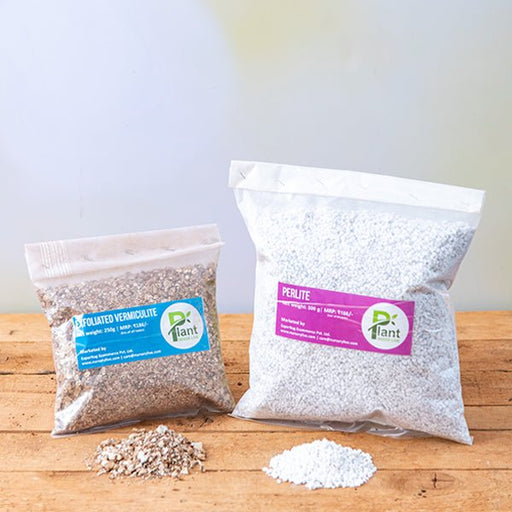
Piper hispidinervum thrives in well-draining, rich potting soil. A mix that includes peat moss and perlite works wonders, providing the perfect balance of moisture retention and drainage. Think of it as the plant equivalent of a cozy bed—soft, supportive, and just the right amount of breathable!
Can I propagate Piper hispidinervum?
Yes, you can propagate Piper hispidinervum through stem cuttings! Just snip a healthy stem, place it in water or moist soil, and watch it grow roots like a pro. It’s like giving your plant a chance to make new friends—just be sure to give them the same love and care you shower on the original!
What are the ideal temperature conditions for Piper hispidinervum?
Piper hispidinervum loves warmth, thriving in temperatures between 65°F to 85°F (18°C to 29°C). It’s not a fan of chilly drafts or frost, so keep it cozy indoors during winter. Think of it as your plant’s personal spa—warm, inviting, and just the right atmosphere for relaxation and growth!
Is Piper hispidinervum suitable for beginners?
Yes, Piper hispidinervum is a great choice for beginners! With its forgiving nature and low maintenance needs, it’s like the friendly neighbor who always lends a cup of sugar. Just remember to provide the right light and humidity, and you’ll be well on your way to becoming a proud plant parent!


 White Marble Pebbles (1 kg)
₹199
White Marble Pebbles (1 kg)
₹199 Plant O Boost — Growth Booster
₹239
Plant O Boost — Growth Booster
₹239 Garden Essential Plant Care Kit
₹599
Garden Essential Plant Care Kit
₹599