What is Phalsa, Falsa, Grewia asiatica?
Phalsa, also known as Falsa, is a delightful little berry-bearing plant from the Grewia genus. It’s like nature’s candy store, offering sweet, tangy fruits that are perfect for snacking or making refreshing drinks. Plus, it’s a hardy plant that can thrive in various conditions, making it a gardener’s best friend!
How do I grow Phalsa?
Growing Phalsa is as easy as pie—if pie were a berry! Just plant the seeds in well-drained soil, give them some sunlight, and watch them flourish. They love warm climates, so if you’re in a cooler area, consider a greenhouse. Soon, you’ll be the proud parent of a berry-producing superstar!
What are the health benefits of Phalsa?
Phalsa is not just a pretty face; it’s a health powerhouse! Packed with antioxidants, vitamins, and minerals, it can help boost your immune system, improve digestion, and even lower blood pressure. So, munch on those berries guilt-free, knowing you’re doing your body a favor while indulging your taste buds!
When is the best time to harvest Phalsa?
Timing is everything, especially when it comes to harvesting Phalsa! Wait until the berries turn a deep purple and are slightly soft to the touch. This is when they’re bursting with flavor and ready to be plucked. Harvesting too early is like trying to eat a green banana—just don’t do it!
Can Phalsa be grown in pots?
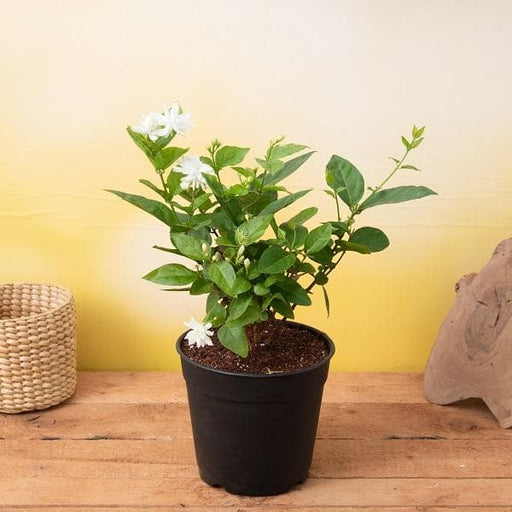
Absolutely! Phalsa is a versatile little plant that can thrive in pots. Just ensure your container has good drainage and enough space for the roots to spread. With a little love and care, you’ll have a portable berry garden that can follow you wherever you go—talk about a berry good companion!
What pests should I watch out for with Phalsa?
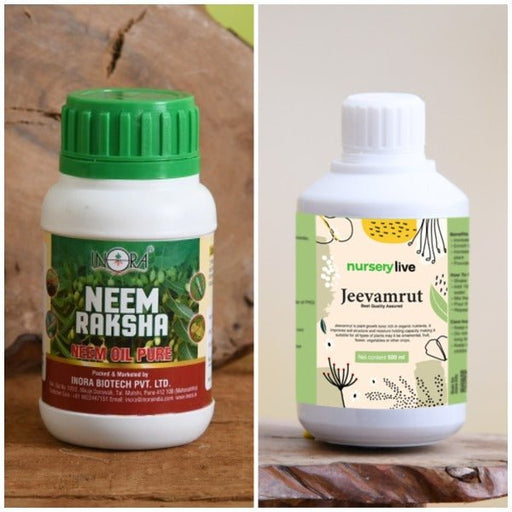
Like any diva, Phalsa can attract a few unwanted guests. Watch out for aphids and spider mites, who think they can crash the berry party. Keep an eye on your plant, and if you spot any pests, a gentle spray of neem oil or insecticidal soap will send them packing!
How often should I water Phalsa?
Phalsa likes to keep things balanced—too much water, and it’ll drown; too little, and it’ll wither. Water it regularly, allowing the soil to dry out slightly between waterings. Think of it as giving your plant a refreshing drink without overdoing it—just like a good cocktail!
Is Phalsa suitable for all climates?
Phalsa is a bit of a climate snob; it prefers warm, tropical conditions. However, with some TLC, it can adapt to subtropical climates too. If you live in a cooler area, consider growing it in a greenhouse or during the warmer months. Just remember, it’s not a fan of frost!
Can I use Phalsa in cooking?
Oh, absolutely! Phalsa is a culinary chameleon. You can use its sweet-tart berries in jams, jellies, or even as a zesty addition to salads. Feeling adventurous? Blend them into smoothies or make a refreshing drink. The possibilities are endless, and your taste buds will thank you!
How long does it take for Phalsa to bear fruit?
Patience is a virtue, especially with Phalsa! Typically, it takes about 2-3 years for your plant to start bearing fruit. But once it does, you’ll be rewarded with a bountiful harvest. So, sit back, relax, and let nature do its thing while you dream of berry-filled delights!
Is Phalsa safe for pets?
Good news for pet parents! Phalsa is generally considered safe for dogs and cats. However, moderation is key—too much of anything can upset their tummies. If your furry friend decides to nibble on a berry, just keep an eye on them. After all, we want happy pets, not berry bandits!
Where can I buy Phalsa plants?
Looking to add some Phalsa pizzazz to your garden? You can find these delightful plants at local nurseries, garden centers, or online plant retailers. Just make sure to choose a reputable source to ensure you’re getting a healthy plant. Soon, you’ll be the envy of your gardening friends!


 White Marble Pebbles (1 kg)
₹199
White Marble Pebbles (1 kg)
₹199 Plant O Boost — Growth Booster
₹239
Plant O Boost — Growth Booster
₹239 Garden Essential Plant Care Kit
₹599
Garden Essential Plant Care Kit
₹599