What is Myrica carolinensis?
Myrica carolinensis, also known as Southern Bayberry, is a charming shrub native to the southeastern U.S. It boasts aromatic leaves and waxy berries that birds adore. Think of it as nature's air freshener, providing a delightful scent while attracting wildlife. Perfect for those who want a touch of the wild in their garden!
How do I care for Myrica carolinensis?
Caring for Myrica carolinensis is a breeze! This resilient plant thrives in well-drained soil and loves full sun to partial shade. Water it moderately, and watch it flourish. Just remember, it’s not a diva; it can handle droughts like a pro. Prune occasionally to keep it looking sharp and stylish!
What are the benefits of Myrica carolinensis?
Myrica carolinensis offers a buffet of benefits! It’s a wildlife magnet, attracting birds and beneficial insects. Its aromatic leaves can be used in potpourri, and the berries are edible (if you’re feeling adventurous). Plus, it’s a natural erosion controller, making it the eco-friendly superhero your garden didn’t know it needed!
Is Myrica carolinensis deer-resistant?
Yes, Myrica carolinensis is like the bouncer of the plant world—deer tend to steer clear! Its aromatic foliage is not on the deer’s gourmet menu, making it a smart choice for gardens in deer-prone areas. So, plant with confidence; your garden will remain a no-deer zone!
Can Myrica carolinensis grow in containers?
Absolutely! Myrica carolinensis can be a container superstar. Just ensure the pot has good drainage and provide enough space for its roots to stretch. It’s like giving your plant a cozy apartment. With the right care, it’ll thrive and add a touch of greenery to your patio or balcony!
When does Myrica carolinensis bloom?
Myrica carolinensis blooms in late spring to early summer, showcasing its subtle yet charming flowers. While they may not steal the show, they add a lovely touch to the landscape. Think of them as the background singers of your garden—supporting the main act while still being delightful!
What soil type is best for Myrica carolinensis?
Myrica carolinensis prefers well-drained, sandy to loamy soil. It’s not picky, but it does enjoy a little acidity. Think of it as a plant with refined taste—no soggy bottoms allowed! If you provide the right soil, it’ll reward you with lush growth and aromatic leaves that make gardening a joy.
How tall does Myrica carolinensis grow?
Myrica carolinensis can reach heights of 6 to 12 feet, depending on its mood and growing conditions. It’s like that friend who can’t decide whether to wear heels or flats—sometimes it’s tall, sometimes it’s not! Just give it space, and it’ll grow into a lovely shrub that adds character to your landscape.
Is Myrica carolinensis invasive?
Fear not! Myrica carolinensis is not considered invasive. It plays nice with other plants and won’t take over your garden like an overzealous party guest. However, it can spread through suckers, so keep an eye on it. A little pruning will keep it in check and maintain harmony in your green space!
Can I use Myrica carolinensis for landscaping?
Absolutely! Myrica carolinensis is a fantastic choice for landscaping. Its dense foliage makes it perfect for hedges or privacy screens. Plus, its attractive berries and aromatic leaves add visual and sensory appeal. It’s like the Swiss Army knife of landscaping—versatile, functional, and always ready to impress!
What pests affect Myrica carolinensis?
Myrica carolinensis is pretty tough and doesn’t attract many pests. However, watch out for the occasional scale or aphid trying to crash the party. A gentle spray of water or insecticidal soap can send them packing. With a little vigilance, your Southern Bayberry will remain a pest-free paradise!
How do I propagate Myrica carolinensis?
Propagating Myrica carolinensis is as easy as pie! You can do it through softwood cuttings in late spring or by layering branches. Just ensure the cuttings have a good drink and some warmth, and they’ll root faster than you can say “Southern Bayberry.” Soon, you’ll have more of these beauties to enjoy!


 White Marble Pebbles (1 kg)
₹199
White Marble Pebbles (1 kg)
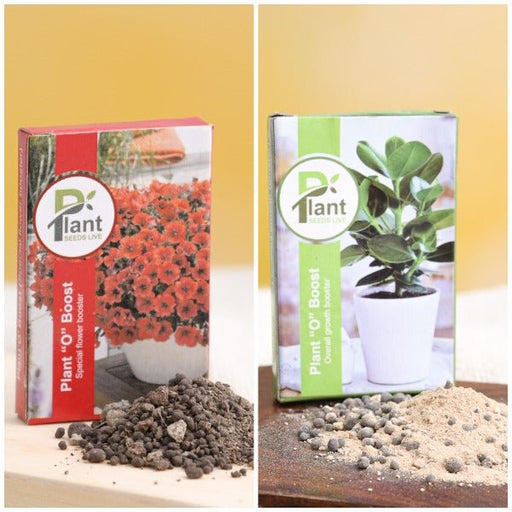
₹199 Plant O Boost — Growth Booster
₹239
Plant O Boost — Growth Booster
₹239 Garden Essential Plant Care Kit
₹599
Garden Essential Plant Care Kit
₹599