What is Monarda?
Monarda, also known as bee balm, is a delightful herbaceous perennial that brings a splash of color and a hint of minty aroma to your garden. With its vibrant flowers and aromatic leaves, it’s a favorite among pollinators and gardeners alike. Plus, it’s a great conversation starter—who wouldn’t want to chat about bee balm?
How do I grow Monarda?
Growing Monarda is as easy as pie—if pie were a colorful, fragrant plant! Choose a sunny spot with well-drained soil, and plant your seeds or seedlings. Water them regularly, and watch as they flourish into stunning blooms. Just remember, they love company, so plant them in groups for a real garden party!
What are the benefits of Monarda?
Monarda isn’t just a pretty face; it’s a multitasker! This plant attracts bees, butterflies, and hummingbirds, making your garden a buzzing hotspot. Its leaves can be brewed into a delightful tea, and it’s known for its medicinal properties. Who knew a plant could be so charming and useful at the same time?
When does Monarda bloom?
Monarda typically blooms from mid-summer to early fall, putting on a show that rivals any garden gala. With its vibrant colors and delightful fragrance, it’s like nature’s own fireworks display. So, mark your calendars and prepare for a floral fiesta that will have your neighbors green with envy!
How do I care for Monarda?
Caring for Monarda is a walk in the park—if that park is filled with colorful flowers! Ensure it gets plenty of sunlight and water, but don’t drown it. Prune spent blooms to encourage more flowers, and keep an eye out for powdery mildew. With a little love, it’ll thrive like a superstar!
Is Monarda invasive?
While Monarda can spread like gossip in a small town, it’s not overly invasive. It can self-seed and expand its territory, but with a little management, you can keep it in check. Just think of it as a friendly neighbor who occasionally borrows your lawnmower—manageable, but always around!
Can I use Monarda in cooking?
Absolutely! Monarda’s leaves are not just for show; they can spice up your culinary creations. Use them fresh in salads, steep them in tea, or even infuse oils. Just remember, a little goes a long way—too much bee balm might leave your dish buzzing with flavor!
What pests affect Monarda?
Monarda is generally a tough cookie, but it can attract a few uninvited guests like aphids and spider mites. Keep an eye out for these pesky critters, and if they crash the party, a gentle spray of water or insecticidal soap should send them packing. Your Monarda deserves a pest-free zone!
Can Monarda survive winter?
Yes, Monarda is a winter warrior! It can survive cold temperatures, especially if you give it a cozy mulch blanket. In colder regions, cut back the stems in late fall, and let nature do its thing. Come spring, it’ll bounce back like it just had a spa day!
What colors do Monarda flowers come in?
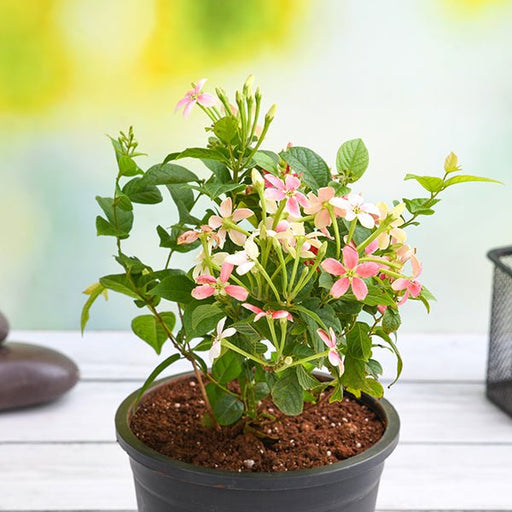
Monarda flowers are like a painter’s palette, showcasing shades of red, pink, purple, and white. Each variety brings its own flair, so you can mix and match to create a vibrant garden masterpiece. It’s like having a floral fashion show right in your backyard!
How tall does Monarda grow?
Monarda can reach heights of 2 to 4 feet, depending on the variety and growing conditions. It’s like the tall friend in your group—always standing out and drawing attention. Just make sure to give it enough space to strut its stuff without overshadowing its garden mates!
Is Monarda deer resistant?
Monarda is not on the top of the deer’s dinner menu, making it a great choice for gardens in deer-prone areas. Its aromatic leaves are a natural deterrent, so while the deer might nibble on your roses, they’ll likely leave your bee balm alone. It’s a win-win for your garden!


 White Marble Pebbles (1 kg)
₹199
White Marble Pebbles (1 kg)
₹199 Plant O Boost — Growth Booster
₹239
Plant O Boost — Growth Booster
₹239 Garden Essential Plant Care Kit
₹599
Garden Essential Plant Care Kit
₹599