What is Mandragora officinalum?
Mandragora officinalum, commonly known as mandrake, is a perennial herb with a rich history in folklore and herbal medicine. Its roots resemble human figures, leading to its mystical reputation. Often associated with magic and witchcraft, this plant has been both revered and feared throughout the ages. Who knew a plant could have such a dramatic backstory?
Where does Mandragora officinalum grow?
Mandragora officinalum thrives in the Mediterranean region, particularly in countries like Italy and Greece. It prefers shady, rocky areas and well-drained soil. If you’re planning a trip, keep an eye out for this enchanting herb. Just don’t forget your gardening gloves; you wouldn’t want to disturb its magical roots!
What are the uses of Mandragora officinalum?
Historically, Mandragora officinalum has been used for various purposes, from medicinal to magical. It was believed to induce sleep, relieve pain, and even enhance fertility. However, its toxic properties mean it should be handled with care. So, if you’re looking for a miracle cure, maybe stick to your local pharmacy instead!
Is Mandragora officinalum toxic?
Yes, Mandragora officinalum is toxic! Its roots contain alkaloids that can cause hallucinations, dizziness, and even death in large doses. While it may have been a favorite among ancient herbalists, modern science suggests caution. So, unless you’re auditioning for a witch’s role, it’s best to admire this plant from a safe distance.
How do you cultivate Mandragora officinalum?
Cultivating Mandragora officinalum requires patience and a bit of finesse. Start with seeds or root cuttings in well-drained soil, and provide partial shade. Water sparingly, as this plant prefers to be on the dry side. Just remember, growing mandrake is not for the faint-hearted; it’s a slow and mystical journey!
What are the side effects of Mandragora officinalum?
The side effects of Mandragora officinalum can be quite dramatic! Users may experience dizziness, hallucinations, and nausea. In severe cases, it can lead to respiratory failure. So, if you’re feeling adventurous, maybe stick to a good book about mandrakes instead of trying them out yourself. Safety first, folks!
Can Mandragora officinalum be used in cooking?
While Mandragora officinalum might sound like a fancy ingredient, it’s not suitable for cooking. Its toxic nature makes it a no-go in the culinary world. Instead, consider using it as a conversation starter at dinner parties. “Did you know this plant was once thought to scream when uprooted?” Now that’s a dish worth serving!
What is the historical significance of Mandragora officinalum?
Mandragora officinalum has a storied past, often linked to ancient magic and medicine. It was used in rituals, believed to possess protective qualities, and even featured in Shakespearean plays. Its roots were thought to bring good luck and fertility. Talk about a plant with a flair for the dramatic!
Is Mandragora officinalum legal to grow?
The legality of growing Mandragora officinalum varies by location. In many places, it’s perfectly legal, while others may have restrictions due to its toxic properties. Always check local regulations before planting this enchanting herb. You wouldn’t want to end up on the wrong side of the law for a little gardening adventure!
How can I identify Mandragora officinalum?
Identifying Mandragora officinalum is a fun challenge! Look for its broad, dark green leaves and thick, forked roots that resemble a human figure. The plant also produces small, bell-shaped flowers that can be purple or white. Just remember, if you find one, don’t go pulling it up without a good reason!
What are the myths surrounding Mandragora officinalum?
Mandragora officinalum is steeped in myths, from its supposed ability to scream when uprooted to its use in love potions. Ancient texts claimed it could protect against evil spirits and bring good fortune. While these tales are entertaining, they’re best enjoyed as folklore rather than fact. After all, who doesn’t love a good story?
Can Mandragora officinalum be used in herbal medicine?
While Mandragora officinalum has a history in herbal medicine, its toxicity makes it a risky choice. Some traditional uses include pain relief and sleep induction, but modern herbalists advise caution. If you’re seeking herbal remedies, it’s wise to consult a professional. Remember, not all that glitters is gold—especially in the plant world!


 White Marble Pebbles (1 kg)
₹199
White Marble Pebbles (1 kg)
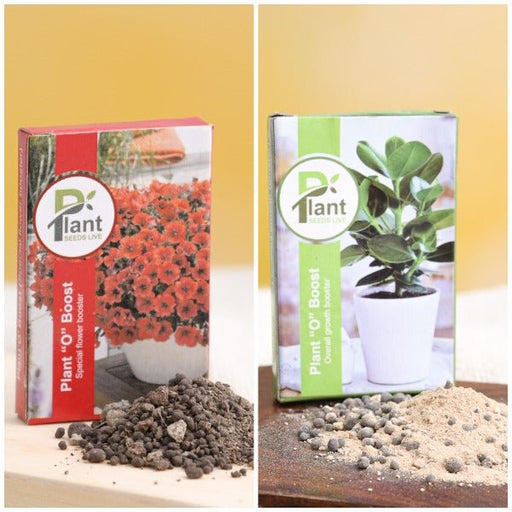
₹199 Plant O Boost — Growth Booster
₹239
Plant O Boost — Growth Booster
₹239 Garden Essential Plant Care Kit
₹599
Garden Essential Plant Care Kit
₹599