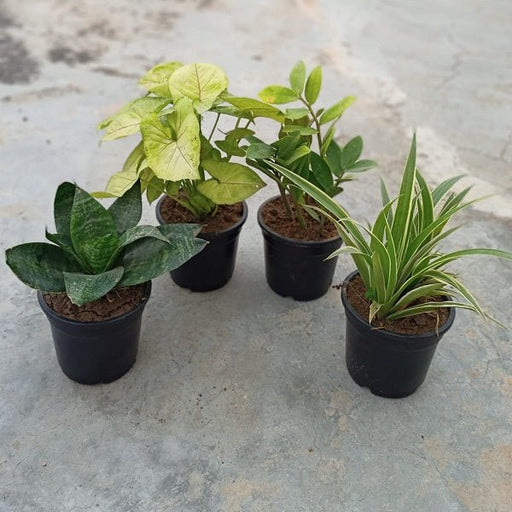
What is Kinnow, Citrus - Plant?
Kinnow is a citrus fruit, a hybrid of the mandarin and the willow leaf orange. It’s like the cool cousin of oranges, bursting with flavor and juiciness. This plant thrives in warm climates and is a favorite in many orchards, making it a superstar in the citrus world.
How do I grow Kinnow, Citrus - Plant?
Growing Kinnow is like hosting a citrus party! Choose a sunny spot, plant in well-drained soil, and water regularly. Fertilize with a balanced mix, and watch your plant flourish. Just remember, Kinnow loves warmth, so keep it cozy and it’ll reward you with delicious fruits.
What are the health benefits of Kinnow?
Kinnow is not just a pretty face; it’s packed with vitamin C, antioxidants, and fiber. Eating Kinnow can boost your immune system, improve digestion, and keep your skin glowing. It’s like a health potion in fruit form, making you feel fabulous with every juicy bite.
When is the best time to harvest Kinnow?
Timing is everything! Kinnow is usually ready for harvest between December and February. Look for a vibrant orange color and a sweet aroma. If it’s not sweet enough, give it a little more time. Patience is key; after all, good things come to those who wait!
How do I store Kinnow?
Storing Kinnow is a breeze! Keep them in a cool, dry place or in the fridge for up to two weeks. Just don’t pile them too high; they’re delicate little gems. If you want to keep them longer, consider juicing them. Fresh juice is always a win!
Can Kinnow be grown in pots?
Absolutely! Kinnow can be a diva and thrive in pots. Choose a large container with good drainage, use quality potting mix, and place it in a sunny spot. Just remember to water it regularly and give it some love. Your potted Kinnow will be the talk of the garden!
What pests affect Kinnow, Citrus - Plant?
Kinnow plants can attract pests like aphids, spider mites, and citrus leaf miners. But fear not! Regular inspections and natural remedies like neem oil can keep these pesky intruders at bay. Think of it as a citrus bodyguard, ensuring your Kinnow stays safe and sound.
How often should I water Kinnow?
Watering Kinnow is like giving it a refreshing drink! During the growing season, water deeply once a week, but let the soil dry out between waterings. In winter, reduce watering. Overwatering is a no-no; your Kinnow doesn’t want soggy feet!
What is the ideal soil for Kinnow?
Kinnow loves well-drained, sandy loam soil with a pH of 6 to 7. Think of it as the perfect spa treatment for your plant! Good drainage prevents root rot, while the right pH ensures it gets all the nutrients it craves. Happy soil, happy Kinnow!
Can Kinnow be grown from seeds?
Yes, Kinnow can be grown from seeds, but it’s a bit of a waiting game. Seeds take time to germinate and may not produce fruit identical to the parent plant. For quicker results, consider grafting or buying a young plant. Patience is a virtue, but who has that much time?
What are the common diseases affecting Kinnow?
Kinnow can face diseases like citrus canker and root rot. But don’t panic! Regularly inspect your plant, maintain good hygiene, and use disease-resistant varieties. Think of it as giving your Kinnow a health check-up, ensuring it stays fit and fabulous!
Is Kinnow suitable for all climates?
Kinnow prefers warm, subtropical climates, so if you live in a snowy wonderland, it might not be the best fit. However, with the right care and protection, you can try growing it in less-than-ideal conditions. Just remember, Kinnow likes to bask in the sun, not freeze in the cold!


 White Marble Pebbles (1 kg)
₹199
White Marble Pebbles (1 kg)
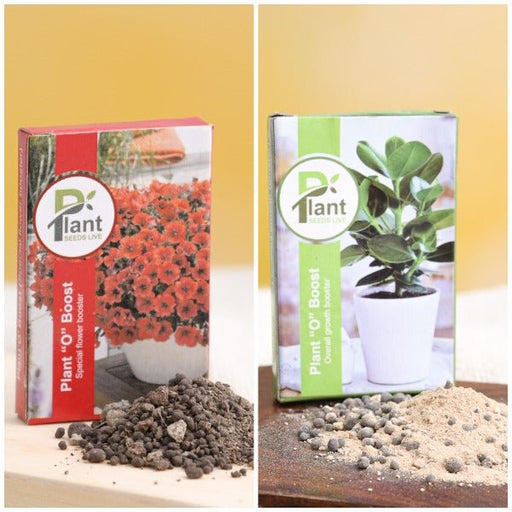
₹199 Plant O Boost — Growth Booster
₹239
Plant O Boost — Growth Booster
₹239 Garden Essential Plant Care Kit
₹599
Garden Essential Plant Care Kit
₹599