What is Gossypium herbaceum?
Gossypium herbaceum, also known as Levant cotton, is a perennial plant that produces fluffy cotton fibers. It’s like nature’s own cotton candy, minus the sugar and calories. This species thrives in warm climates and is a key player in the textile industry, providing the soft fabric we all love to wear.
Where is Gossypium herbaceum found?
Gossypium herbaceum is native to Africa and parts of Asia, particularly in regions with a warm climate. Think of it as the sunbather of the plant world, soaking up rays while producing those delightful cotton fibers. It’s often found in countries like India, Egypt, and Sudan, where it’s cherished for its economic value.
What are the uses of Gossypium herbaceum?
Gossypium herbaceum is primarily used for its cotton fibers, which are spun into yarn and woven into fabric. But wait, there’s more! The seeds are also a source of oil, and the plant itself can be used for livestock feed. Talk about a multitasker in the plant kingdom!
Is Gossypium herbaceum easy to grow?
Growing Gossypium herbaceum can be a breeze if you live in a warm climate. It loves full sun and well-drained soil, making it a diva that knows what it wants. Just be prepared for some pests and diseases, as this cotton plant can attract unwanted guests.
What is the life cycle of Gossypium herbaceum?
Gossypium herbaceum has a life cycle that includes germination, vegetative growth, flowering, and seed production. It’s like a plant version of a coming-of-age movie, where it starts as a seed and eventually blossoms into a cotton-producing superstar. The whole process takes about 5-6 months, depending on the climate.
How does Gossypium herbaceum differ from other cotton species?
Gossypium herbaceum is distinct from other cotton species due to its shorter fibers and adaptability to arid conditions. It’s like the underdog of the cotton family, proving that good things come in smaller packages. While it may not be as popular as Gossypium hirsutum, it still has its own charm and utility.
What pests affect Gossypium herbaceum?
Gossypium herbaceum can attract a variety of pests, including aphids, whiteflies, and boll weevils. These little critters can be quite the party crashers, munching on the leaves and fibers. Regular monitoring and organic pest control methods can help keep these uninvited guests at bay, ensuring a healthy cotton crop.
Can Gossypium herbaceum be used for organic farming?
Absolutely! Gossypium herbaceum can be grown using organic farming practices, making it a favorite among eco-conscious farmers. With the right care and pest management, you can cultivate this cotton plant without synthetic chemicals. It’s like giving Mother Nature a high-five while producing sustainable cotton.
What is the economic importance of Gossypium herbaceum?
Gossypium herbaceum plays a significant role in the economy of cotton-producing countries. It provides livelihoods for millions of farmers and contributes to the textile industry. Think of it as the cash cow of the plant world, generating income and supporting local economies while keeping us stylish in our cotton attire.
How does Gossypium herbaceum contribute to biodiversity?
Gossypium herbaceum contributes to biodiversity by providing habitat and food for various insects and animals. It’s like a cozy apartment complex for beneficial bugs, promoting a balanced ecosystem. By cultivating this plant, farmers can support local wildlife while enjoying the benefits of cotton production.
What are the environmental impacts of Gossypium herbaceum cultivation?
While Gossypium herbaceum cultivation can have positive economic impacts, it can also lead to environmental concerns like water usage and pesticide application. It’s a balancing act, much like trying to eat a cupcake without getting frosting on your face. Sustainable practices can help mitigate these impacts and keep the planet happy.
Is Gossypium herbaceum resistant to diseases?
Gossypium herbaceum has some resistance to certain diseases, but it’s not invincible. It can still fall prey to fungal infections and bacterial blights. Regular monitoring and good agricultural practices can help keep this cotton plant healthy and thriving, ensuring it continues to produce those lovely fibers we adore.


 White Marble Pebbles (1 kg)
₹199
White Marble Pebbles (1 kg)
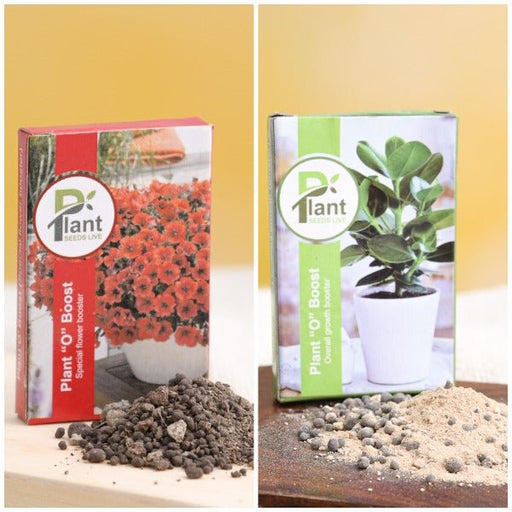
₹199 Plant O Boost — Growth Booster
₹239
Plant O Boost — Growth Booster
₹239 Garden Essential Plant Care Kit
₹599
Garden Essential Plant Care Kit
₹599