What is Gonatanthus pumilus?
Gonatanthus pumilus is a charming little plant, often mistaken for a shy wallflower at a botanical party. This perennial herb hails from the tropical regions, flaunting its tiny stature and vibrant green leaves. It’s like the underdog of the plant world, quietly thriving while others steal the spotlight.
Where can I find Gonatanthus pumilus?
Searching for Gonatanthus pumilus? Think of it as a treasure hunt! This elusive gem can be found in tropical rainforests, often hiding in the underbrush. Local nurseries or specialized plant shops might have it, but be prepared to charm the staff with your plant enthusiasm to uncover this botanical beauty.
How do I care for Gonatanthus pumilus?
Caring for Gonatanthus pumilus is like nurturing a delicate friendship. It loves well-drained soil, moderate humidity, and indirect sunlight. Water it when the top inch of soil feels dry, but don’t drown it—this plant prefers a light sprinkle over a torrential downpour. Treat it right, and it’ll reward you with its leafy presence.
Is Gonatanthus pumilus suitable for indoor gardening?
Absolutely! Gonatanthus pumilus is the perfect indoor companion for those who appreciate a low-maintenance plant. It thrives in pots, adding a touch of green to your living space. Just ensure it gets enough indirect light and a little love, and it’ll happily coexist with your collection of houseplants.
What are the benefits of Gonatanthus pumilus?
Gonatanthus pumilus isn’t just a pretty face; it’s a multitasker! This plant can improve air quality, making your home feel fresher. Plus, its unique appearance can spark conversations, making it the life of the indoor garden party. Who knew a little herb could bring so much joy and clean air?
Can Gonatanthus pumilus be propagated?
Yes, indeed! Propagating Gonatanthus pumilus is like playing plant matchmaker. You can do it through cuttings or division. Just ensure the cuttings have a few leaves and roots, then plant them in well-draining soil. With a little patience and care, you’ll have new little friends sprouting in no time!
What pests affect Gonatanthus pumilus?
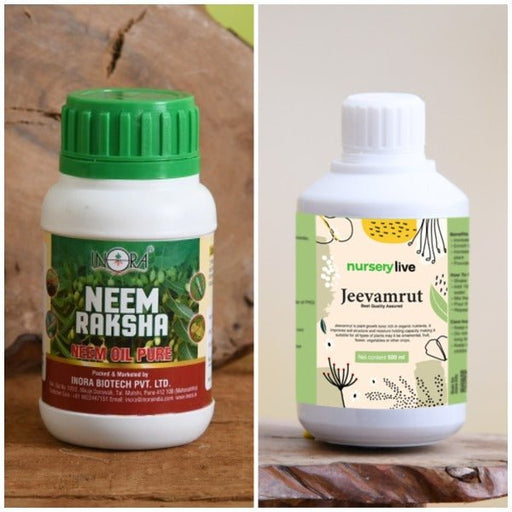
Gonatanthus pumilus may attract a few uninvited guests, like aphids and spider mites. Think of them as the party crashers of the plant world. Keep an eye out for these pests, and if they show up, a gentle spray of insecticidal soap or neem oil will send them packing.
Is Gonatanthus pumilus toxic to pets?
Good news for pet lovers! Gonatanthus pumilus is non-toxic to cats and dogs. So, you can let your furry friends roam freely without worrying about them nibbling on this plant. It’s like having a plant that’s both stylish and safe—what more could you ask for in your indoor jungle?
How often should I water Gonatanthus pumilus?
Watering Gonatanthus pumilus is a balancing act. Aim for once a week, but always check the soil first. If it’s still moist, hold off on the watering can. This plant prefers to sip rather than gulp, so keep it hydrated but not soggy. Your plant will thank you with its vibrant leaves!
What soil is best for Gonatanthus pumilus?
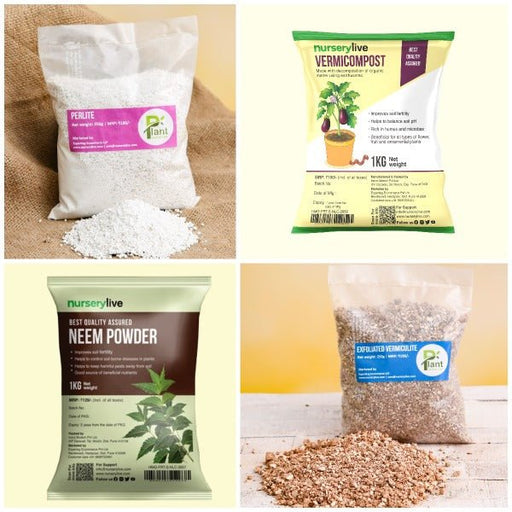
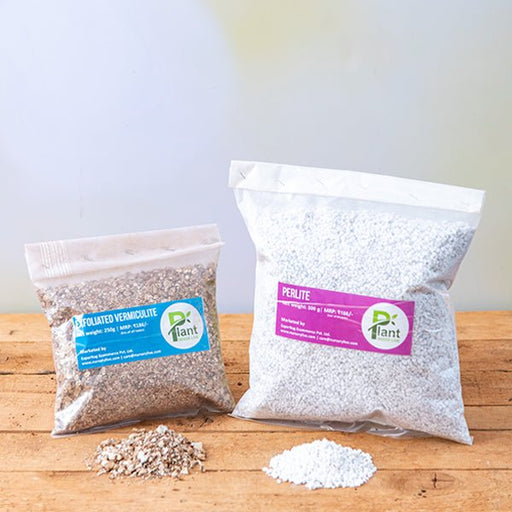
Gonatanthus pumilus thrives in well-draining soil, like a diva who demands the best. A mix of potting soil and perlite or sand works wonders, ensuring good aeration and drainage. This plant doesn’t want to sit in waterlogged conditions, so give it the luxurious soil it deserves for optimal growth.
Can Gonatanthus pumilus survive in low light?
While Gonatanthus pumilus enjoys a bit of indirect sunlight, it’s not a fan of the dark. Low light might make it sulk and lose its vibrant charm. If you want this plant to shine, provide it with bright, filtered light. It’s like giving it a front-row seat to the sun’s show!
What is the growth rate of Gonatanthus pumilus?
Gonatanthus pumilus is not in a hurry; it takes its time to grow. Expect a slow but steady pace, adding a few inches each year. Patience is key with this little herb, but with the right care, it’ll reward you with lush greenery that’s worth the wait. Good things come to those who wait!


 White Marble Pebbles (1 kg)
₹199
White Marble Pebbles (1 kg)
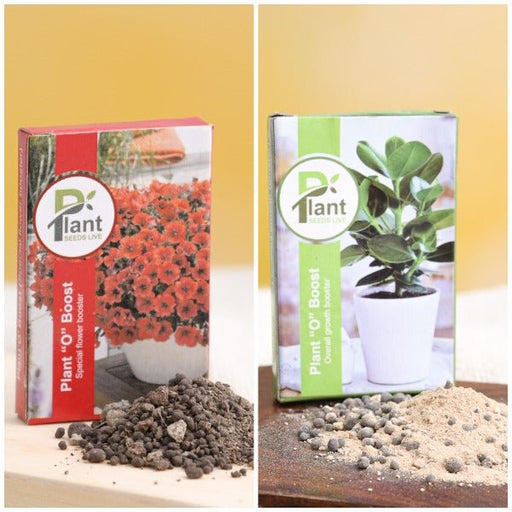
₹199 Plant O Boost — Growth Booster
₹239
Plant O Boost — Growth Booster
₹239 Garden Essential Plant Care Kit
₹599
Garden Essential Plant Care Kit
₹599