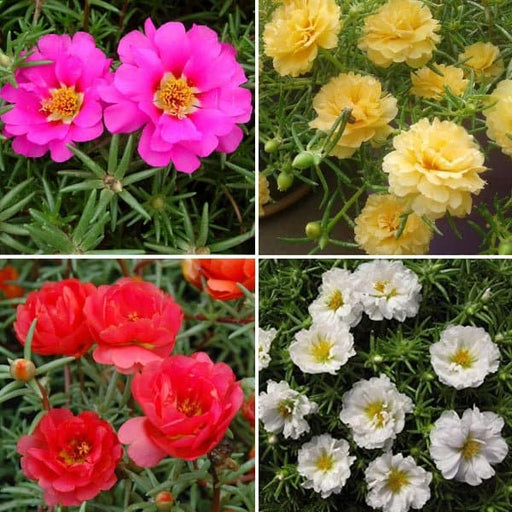
What is Vanda tessellata - Plant?
Vanda tessellata is a stunning orchid native to Southeast Asia, known for its vibrant colors and unique tessellated patterns on its leaves. This beauty thrives in warm, humid environments, making it a favorite among orchid enthusiasts. If you’re looking to add a splash of exotic flair to your collection, this plant is a must-have!
How do I care for Vanda tessellata - Plant?
Caring for Vanda tessellata is like pampering a diva! It loves bright, indirect sunlight and humidity levels above 50%. Water it thoroughly but let it dry out between drinks. Fertilize every two weeks during the growing season, and watch it bloom like it’s on a tropical vacation. Just don’t forget to give it some love!
What is the ideal temperature for Vanda tessellata - Plant?
Vanda tessellata enjoys a warm climate, thriving best between 75°F to 90°F (24°C to 32°C). It’s not a fan of chilly nights, so keep it cozy! If temperatures dip below 60°F (15°C), it might just sulk and refuse to bloom. Treat it like royalty, and it will reward you with stunning flowers!
How often should I water Vanda tessellata - Plant?
Watering Vanda tessellata is an art form! Aim to water it every 2-3 days, ensuring the roots are soaked but not sitting in water. In drier conditions, it might demand more attention. Just remember, overwatering is a no-no; this diva prefers to be slightly thirsty than drowning in its own drama!
What type of potting medium is best for Vanda tessellata - Plant?
Vanda tessellata loves to stretch its roots, so skip the traditional potting mix! Instead, use a chunky orchid mix or even mount it on a piece of wood. This allows for excellent airflow and drainage, keeping its roots happy. Think of it as giving your plant a luxurious penthouse suite!
Can Vanda tessellata - Plant be grown indoors?
Absolutely! Vanda tessellata can be a fabulous indoor companion, provided you give it enough light and humidity. Place it near a bright window, and consider using a humidity tray or a humidifier. Just remember, it’s a tropical plant at heart, so keep the indoor climate as inviting as a beach resort!
How long does it take for Vanda tessellata - Plant to bloom?
Patience is key with Vanda tessellata! Typically, it takes about 1-2 years to bloom after planting. However, with the right care, it might surprise you sooner. Once it starts, expect a dazzling display of flowers that can last for weeks. It’s like waiting for a blockbuster movie to premiere!
What pests affect Vanda tessellata - Plant?
Vanda tessellata can attract a few uninvited guests like aphids, mealybugs, and spider mites. Keep an eye out for these pesky critters! A gentle spray of insecticidal soap or neem oil can send them packing. Remember, a clean plant is a happy plant, so regular inspections are a must for this beauty!
How do I propagate Vanda tessellata - Plant?
Propagation of Vanda tessellata is like matchmaking! The best method is through division. Wait until the plant has several growths, then carefully separate them, ensuring each has roots. Re-pot them in a suitable medium, and voilà! You’ve got yourself new plants to share or keep as your own little orchid army!
Is Vanda tessellata - Plant fragrant?
While Vanda tessellata is a visual stunner, it’s not exactly known for its fragrance. Its blooms are more about the eye candy than the olfactory delight. If you’re seeking a fragrant orchid, you might want to explore other varieties. But hey, who needs scent when you have such a gorgeous floral display?
What are the common diseases of Vanda tessellata - Plant?
Vanda tessellata can face a few health hiccups, like root rot and fungal infections. Overwatering is often the culprit, so keep that watering can in check! If you spot any signs of distress, act fast with appropriate treatments. A healthy plant is a happy plant, and we all want our orchids to thrive!
Can Vanda tessellata - Plant survive outdoors?
Yes, Vanda tessellata can thrive outdoors in warm, humid climates! Just ensure it’s protected from harsh direct sunlight and strong winds. If you live in a cooler area, consider bringing it inside during chilly months. It’s like giving your plant a vacation home—who wouldn’t want that? Just keep it cozy and happy!


 White Marble Pebbles (1 kg)
₹199
White Marble Pebbles (1 kg)
₹199 Plant O Boost — Growth Booster
₹239
Plant O Boost — Growth Booster
₹239 Garden Essential Plant Care Kit
₹599
Garden Essential Plant Care Kit
₹599