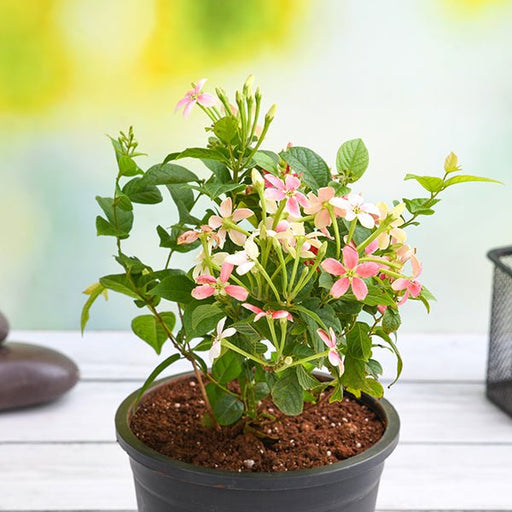
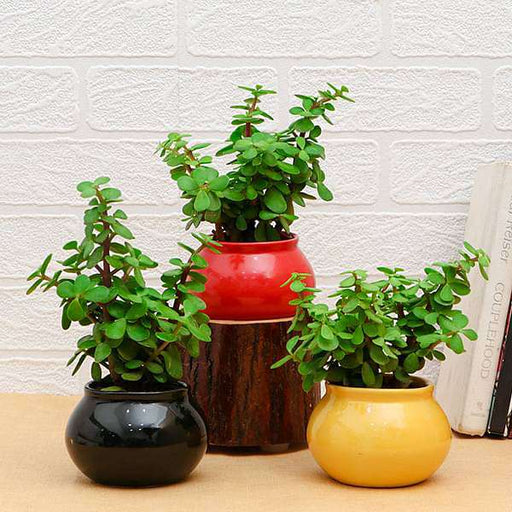
Triphasia trifolia Care
Caring for your Triphasia trifolia is like nurturing a diva; it demands attention but rewards you with beauty. This plant thrives in well-drained soil and loves a good sunbath, so don’t forget to give it a sunny spot. Water it moderately, as it prefers to sip rather than gulp. Too much water, and it might throw a tantrum, leading to root rot. Pruning is essential to keep it looking fabulous, so don’t be shy—clip away those unruly branches. With a little love and patience, your Triphasia trifolia will flourish, turning your garden into a tropical paradise.
Triphasia trifolia Benefits
The benefits of Triphasia trifolia are as delightful as a surprise party. This plant isn’t just a pretty face; it’s also a natural air purifier, helping to cleanse your indoor environment. Its aromatic leaves can be used in cooking, adding a zesty twist to your dishes. Plus, it’s a magnet for pollinators, making your garden a buzzing hotspot. With its medicinal properties, it’s like having a mini pharmacy at home. Who knew a plant could be so multi-talented?
Triphasia trifolia Propagation
Propagating Triphasia trifolia is like playing matchmaker for plants. You can easily grow new plants from cuttings or seeds, making it a fun project for green thumbs. Just take a healthy cutting, let it callous over, and then plant it in well-draining soil. Keep it warm and moist, and soon you’ll have a new plant ready to strut its stuff. If you’re feeling adventurous, try growing it from seeds, but be patient; good things take time.
Triphasia trifolia Uses
The uses of Triphasia trifolia are as varied as a buffet spread. This versatile plant can be used for ornamental purposes, adding a splash of green to your landscape. Its leaves are edible and can be used in salads or as a garnish, giving your culinary creations a gourmet touch. Additionally, it has traditional medicinal uses, making it a staple in herbal remedies. Whether you’re looking to beautify your space or spice up your meals, Triphasia trifolia has got you covered.
Triphasia trifolia Pests
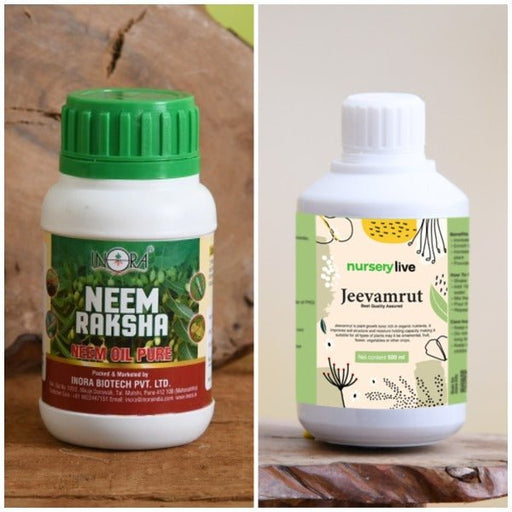
Dealing with pests on your Triphasia trifolia is like playing a game of whack-a-mole. Common culprits include aphids and spider mites, but don’t worry; they’re no match for your gardening prowess. Regularly inspect your plant and use insecticidal soap or neem oil to keep these pesky invaders at bay. A little vigilance goes a long way in ensuring your plant remains healthy and happy. Remember, a well-cared-for Triphasia trifolia is a resilient one!
Triphasia trifolia Soil Requirements
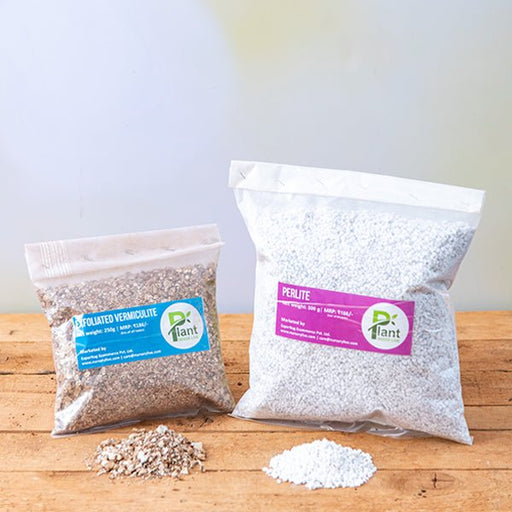
The soil requirements for Triphasia trifolia are as specific as a celebrity’s rider. This plant prefers well-draining soil that’s rich in organic matter. Think of it as a five-star hotel for roots—no soggy bottoms allowed! A mix of potting soil and sand or perlite will do the trick. This ensures that your plant gets the nutrients it craves while avoiding the dreaded root rot. So, roll up your sleeves and create the perfect soil blend for your green companion.
Triphasia trifolia Light Requirements
When it comes to light requirements, Triphasia trifolia is a sun worshipper. It thrives in bright, indirect sunlight, so find a cozy spot near a window where it can soak up those rays. Too much direct sunlight, and it might get sunburned, while too little light can leave it feeling gloomy. Aim for a balance, and your plant will reward you with lush foliage and vibrant growth. Remember, a happy plant is a well-lit plant!
Triphasia trifolia Temperature
The ideal temperature for Triphasia trifolia is like the sweet spot in a relationship—just right! This plant prefers warm temperatures, ideally between 65°F to 85°F (18°C to 29°C). It’s not a fan of cold drafts or frost, so keep it indoors during chilly months. If you want to keep your plant thriving, avoid sudden temperature fluctuations. Treat it like royalty, and it will flourish, bringing a touch of tropical charm to your home.
Triphasia trifolia Fertilization
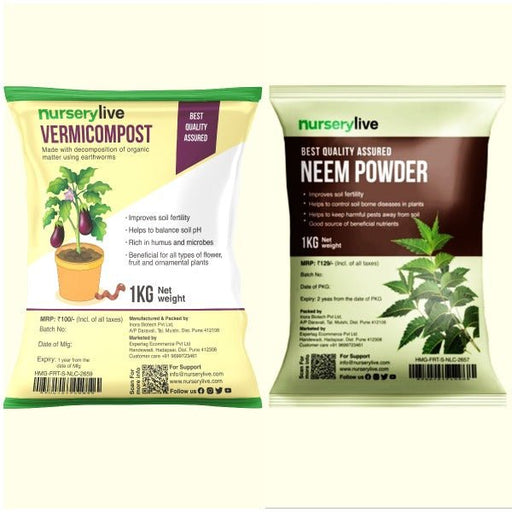
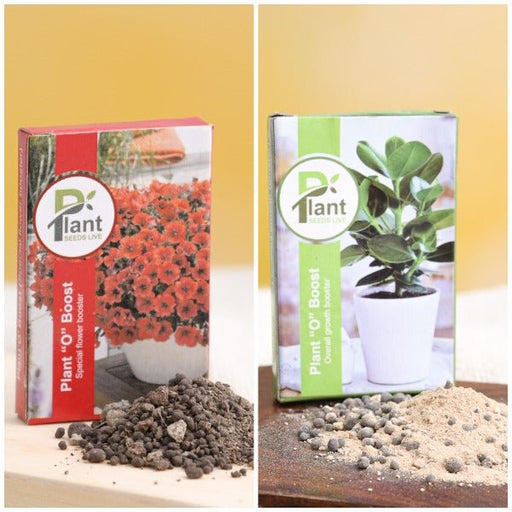
Fertilizing your Triphasia trifolia is like giving it a gourmet meal. During the growing season, feed it with a balanced liquid fertilizer every four to six weeks. This will ensure it gets the nutrients it needs to grow strong and vibrant. Just be careful not to overdo it; too much fertilizer can lead to a plant that’s more “diva” than “delightful.” A little goes a long way, so keep it balanced, and your plant will thank you with lush growth.
Triphasia trifolia Varieties
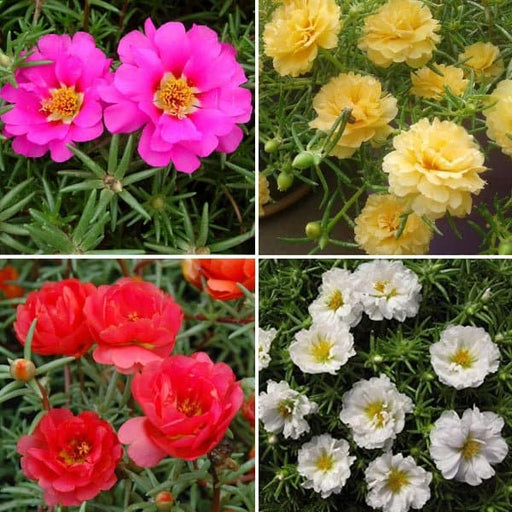
The varieties of Triphasia trifolia are like a box of chocolates—each one unique and delightful. From the classic green-leaved version to variegated types, there’s a style for every garden. Some varieties boast stunning foliage, while others may have fragrant flowers that attract pollinators. Explore the different options and choose the one that speaks to your gardening soul. With so many varieties, you can create a diverse and vibrant garden that’s sure to impress.
Triphasia trifolia in Landscaping
Incorporating Triphasia trifolia into your landscaping is like adding the perfect accessory to an outfit. This plant can serve as a stunning focal point or a lovely border plant, enhancing the overall aesthetic of your garden. Its lush foliage and vibrant colors can complement other plants beautifully. Plus, it’s low-maintenance, making it a gardener’s best friend. Whether you’re designing a tropical paradise or a serene retreat, Triphasia trifolia will elevate your landscape game.


 White Marble Pebbles (1 kg)
₹199
White Marble Pebbles (1 kg)
₹199 Plant O Boost — Growth Booster
₹239
Plant O Boost — Growth Booster
₹239 Garden Essential Plant Care Kit
₹599
Garden Essential Plant Care Kit
₹599