What is Trachycarpus fortunei?
This charming palm, also known as the Chinese windmill palm, is a hardy beauty that can withstand chilly winters. With its fan-shaped leaves and tall stature, it’s like the cool kid of the plant world, bringing a tropical vibe to your garden without the need for sunscreen.
How do I care for Trachycarpus fortunei?
Treat it like royalty! This palm loves well-draining soil, moderate watering, and a sunny spot. Just remember, it’s not a fan of soggy feet, so avoid overwatering. A little fertilizer in spring will keep it happy and thriving, ensuring it remains the star of your garden.
Can Trachycarpus fortunei survive winter?
Absolutely! This palm is the winter warrior of the plant kingdom. It can tolerate temperatures as low as -10°C (14°F). Just give it a cozy spot away from harsh winds, and it’ll strut its stuff through the cold months, proving that not all palms are sunbathers.
What size does Trachycarpus fortunei grow to?
Expect this palm to reach heights of 10 to 20 feet, depending on its mood and environment. With a trunk that can grow up to 12 inches in diameter, it’s like the gentle giant of your garden, providing shade and style without taking over the neighborhood.
How fast does Trachycarpus fortunei grow?
Patience is a virtue! This palm grows at a moderate pace, typically adding about 1 to 2 feet per year. So, while it won’t be a towering giant overnight, with a little love and care, it’ll reward you with its majestic presence in due time.
Is Trachycarpus fortunei suitable for indoor planting?
While it prefers the great outdoors, it can be a diva indoors too! Just ensure it gets plenty of bright, indirect light and enough space to stretch its leaves. With the right conditions, it’ll thrive and bring a touch of the tropics to your living room.
What pests affect Trachycarpus fortunei?
Fear not! This palm is relatively pest-resistant, but it can occasionally attract spider mites or scale insects. A gentle wash with soapy water or a neem oil spray will send those pesky critters packing, keeping your palm looking fabulous and pest-free.
How often should I water Trachycarpus fortunei?
Watering is an art! During the growing season, give it a good drink when the top inch of soil feels dry. In winter, ease up on the watering, as it prefers to stay a bit drier. Remember, it’s a palm, not a water-loving fish!
Can Trachycarpus fortunei be grown in pots?
Yes, indeed! This palm is quite adaptable and can thrive in pots. Just ensure the pot has good drainage and is large enough for its growing roots. With proper care, it’ll be a stunning centerpiece on your patio or balcony, bringing tropical flair to any space.
What soil is best for Trachycarpus fortunei?
This palm loves well-draining soil that’s rich in organic matter. A mix of potting soil, sand, and perlite will do the trick, ensuring it has the perfect balance of moisture retention and drainage. Think of it as the Goldilocks of soil—just right!
Does Trachycarpus fortunei produce flowers?
Yes, it does! While it’s not the most flamboyant flower producer, it does produce small, creamy-white flowers in late spring. These blooms are more of a subtle accessory than a showstopper, but they add a touch of elegance to this already stunning palm.
Is Trachycarpus fortunei toxic to pets?
Good news for pet lovers! Trachycarpus fortunei is non-toxic to cats and dogs. So, you can let your furry friends roam freely around this palm without worrying about any nasty surprises. It’s a safe haven for both plant enthusiasts and their beloved pets.


 White Marble Pebbles (1 kg)
₹199
White Marble Pebbles (1 kg)
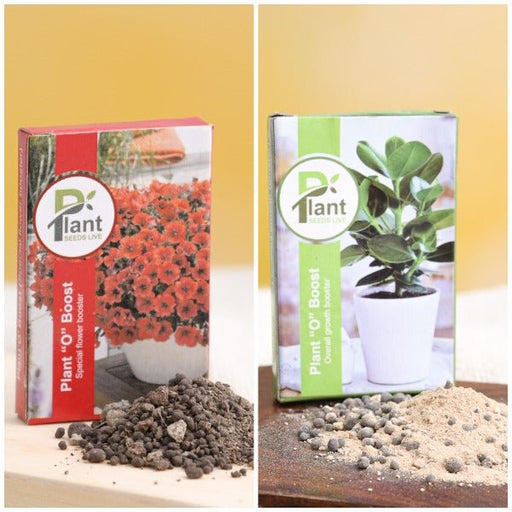
₹199 Plant O Boost — Growth Booster
₹239
Plant O Boost — Growth Booster
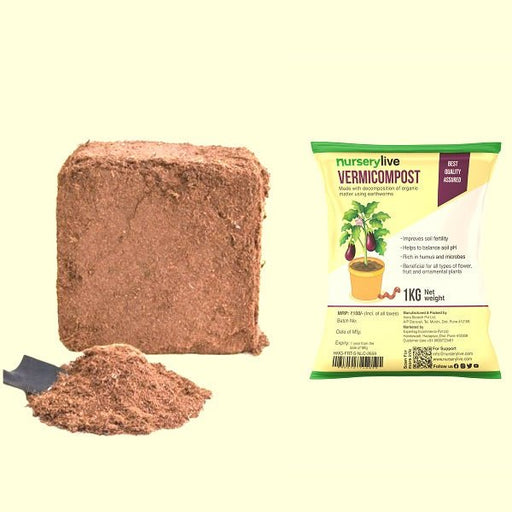
₹239 Garden Essential Plant Care Kit
₹599
Garden Essential Plant Care Kit
₹599