What is Thevetia nerifolia flava?
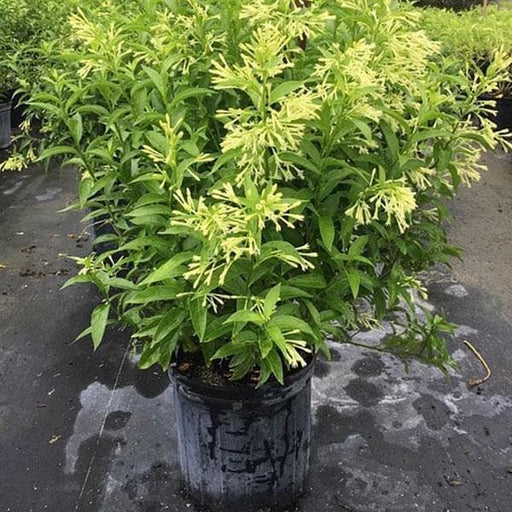
Thevetia nerifolia flava, also known as yellow oleander, is a tropical beauty with vibrant yellow flowers. This plant is not just a pretty face; it’s also a hardy shrub that can thrive in various conditions. Just remember, while it looks inviting, it’s toxic if ingested—so keep it away from curious pets and children!
How do I care for Thevetia nerifolia flava?
Caring for Thevetia nerifolia flava is like nurturing a diva—she loves well-drained soil, full sun, and occasional watering. Avoid overwatering, or she might throw a tantrum! Fertilize during the growing season to keep her blooming beautifully. Just don’t forget, she prefers her space, so give her room to spread her golden wings!
Is Thevetia nerifolia flava toxic?
Yes, Thevetia nerifolia flava is toxic! This plant may look like a sunny delight, but it harbors toxic compounds that can be harmful if ingested. So, while you admire its beauty, keep your distance—especially from pets and kids. It’s a classic case of “looks can be deceiving,” so treat it with respect!
Can Thevetia nerifolia flava be grown indoors?
While Thevetia nerifolia flava dreams of outdoor glory, it can be grown indoors if you provide ample sunlight and space. Just ensure it has a pot with good drainage—no soggy bottoms allowed! Keep in mind, it may not bloom as profusely indoors, but it’ll still add a splash of sunshine to your home.
What are the ideal growing conditions for Thevetia nerifolia flava?
Thevetia nerifolia flava thrives in warm, tropical climates with full sun and well-drained soil. It loves to bask in the sun, so don’t be shy about giving it a prime spot in your garden. Just remember, it’s not a fan of frost, so if you live in cooler areas, consider bringing it indoors during winter!
How fast does Thevetia nerifolia flava grow?
Thevetia nerifolia flava is a speedy grower, often reaching heights of 6 to 10 feet in just a few years. With the right care, it can become a stunning focal point in your garden before you know it. Just be prepared for some pruning, as it loves to spread its golden glory!
Can Thevetia nerifolia flava be propagated?
Absolutely! Propagating Thevetia nerifolia flava is as easy as pie. You can do it through seeds or cuttings. Just take a healthy cutting, let it callous, and plant it in well-draining soil. With a little patience and care, you’ll have new plants sprouting up like eager fans at a concert!
What pests affect Thevetia nerifolia flava?
Thevetia nerifolia flava is generally pest-resistant, but it can occasionally attract aphids and spider mites. If you notice these uninvited guests, a gentle spray of water or insecticidal soap can send them packing. Just remember, a little vigilance goes a long way in keeping your plant happy and healthy!
Is Thevetia nerifolia flava suitable for landscaping?
Absolutely! Thevetia nerifolia flava is a showstopper in landscaping, adding a burst of color and tropical flair. It works well as a hedge, border, or standalone feature. Just be mindful of its toxicity and plant it away from high-traffic areas. Your garden will thank you for this sunny addition!
How often should I water Thevetia nerifolia flava?
Watering Thevetia nerifolia flava is like a balancing act—too much and it’ll sulk, too little and it’ll wilt. Generally, water when the top inch of soil feels dry. During the growing season, a weekly soak should do the trick. Just keep an eye on the weather; Mother Nature can be a bit unpredictable!
What is the best fertilizer for Thevetia nerifolia flava?
Thevetia nerifolia flava loves a balanced fertilizer, preferably one that’s high in potassium to encourage those stunning blooms. A slow-release fertilizer during the growing season will keep her happy and thriving. Just remember, moderation is key—too much fertilizer can lead to a growth spurt that’s hard to manage!
Can Thevetia nerifolia flava survive winter?
Thevetia nerifolia flava is not a fan of winter chills. If you live in a frost-prone area, it’s best to bring this tropical beauty indoors during the colder months. Keep it in a bright spot and maintain moderate watering. With a little TLC, it’ll be ready to burst back into bloom when spring arrives!


 White Marble Pebbles (1 kg)
₹199
White Marble Pebbles (1 kg)
₹199 Plant O Boost — Growth Booster
₹239
Plant O Boost — Growth Booster
₹239 Garden Essential Plant Care Kit
₹599
Garden Essential Plant Care Kit
₹599