What is Rivina humilis?
Rivina humilis, also known as the "bloodberry," is a charming little plant native to tropical regions. With its vibrant red berries and lush green foliage, it’s like nature’s confetti! Perfect for adding a pop of color to your garden, this perennial is both eye-catching and low-maintenance, making it a favorite among plant enthusiasts.
How do I care for Rivina humilis?
Caring for Rivina humilis is as easy as pie! This plant loves bright, indirect sunlight and well-draining soil. Water it when the top inch of soil feels dry, but don’t drown it—this isn’t a swimming competition! Fertilize occasionally during the growing season, and watch it thrive like a superstar in your garden.
Is Rivina humilis toxic to pets?
Fear not, pet parents! Rivina humilis is considered non-toxic to cats and dogs. So, if your furry friend decides to take a nibble, you can breathe easy. However, it’s always wise to discourage munching on houseplants—after all, we don’t want them thinking they’re at an all-you-can-eat buffet!
Can Rivina humilis grow indoors?
Absolutely! Rivina humilis can be a delightful indoor companion. Just ensure it gets enough bright, indirect light and keep the humidity levels up. It’s like giving your plant a spa day! With the right care, it’ll flourish indoors, bringing a touch of tropical charm to your living space.
What are the benefits of Rivina humilis?
Rivina humilis isn’t just a pretty face; it offers several benefits! It’s a natural air purifier, helping to cleanse your indoor environment. Plus, its berries attract birds and butterflies, turning your garden into a lively party. Who wouldn’t want a plant that’s both decorative and beneficial? Talk about multitasking!
How fast does Rivina humilis grow?
Rivina humilis is a moderate grower, typically reaching its full height of about 1-3 feet in a couple of years. It’s not in a hurry, but it’s not a sloth either! With the right conditions, you’ll see it flourish and fill your garden with its vibrant presence in no time.
Can I propagate Rivina humilis?
Yes, you can! Propagating Rivina humilis is as easy as pie. Simply take cuttings from healthy stems and place them in water or moist soil. In a few weeks, you’ll have new plants ready to spread their charm. It’s like cloning your favorite plant—just without the sci-fi drama!
What pests affect Rivina humilis?
Rivina humilis is generally pest-resistant, but watch out for pesky aphids and spider mites. If they crash the party, a gentle spray of water or insecticidal soap will send them packing. Keep an eye on your plant, and it’ll remain a pest-free zone, ready to dazzle with its beauty!
Is Rivina humilis drought-tolerant?
While Rivina humilis prefers consistent moisture, it can handle short dry spells like a champ. However, don’t push it too far—this plant isn’t a desert dweller! Regular watering will keep it happy and thriving, so treat it like the diva it is and give it the hydration it deserves.
What is the ideal soil for Rivina humilis?
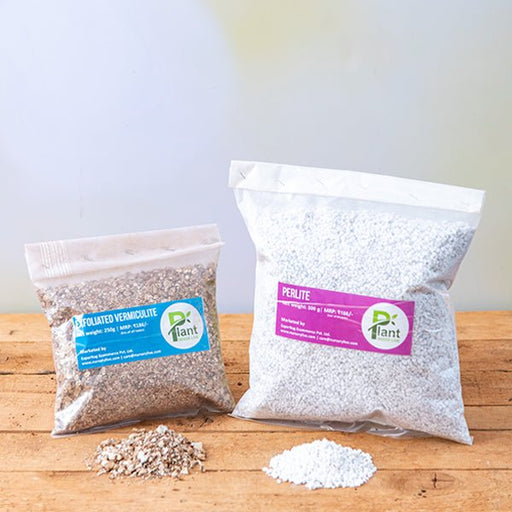
Rivina humilis thrives in well-draining soil that’s rich in organic matter. Think of it as a five-star hotel for roots! A mix of potting soil and perlite or sand will do the trick. This plant loves to stretch its roots without sitting in soggy conditions—no one likes a soggy bottom!
When does Rivina humilis bloom?
Rivina humilis typically blooms in the summer, showcasing delicate white flowers that are often overshadowed by its stunning berries. These blooms are like the opening act before the main event! While the flowers may not steal the show, they add a lovely touch to this already fabulous plant.


 White Marble Pebbles (1 kg)
₹199
White Marble Pebbles (1 kg)
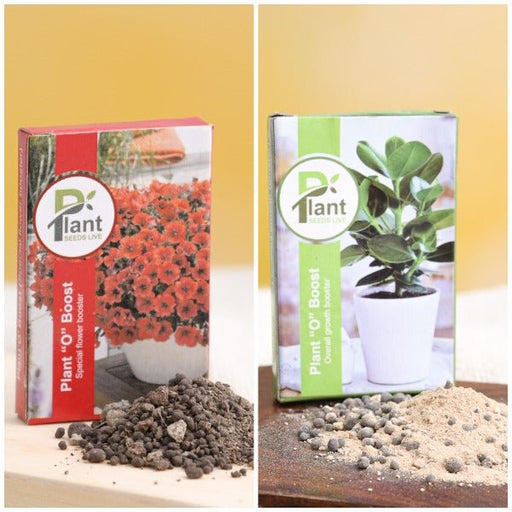
₹199 Plant O Boost — Growth Booster
₹239
Plant O Boost — Growth Booster
₹239 Garden Essential Plant Care Kit
₹599
Garden Essential Plant Care Kit
₹599