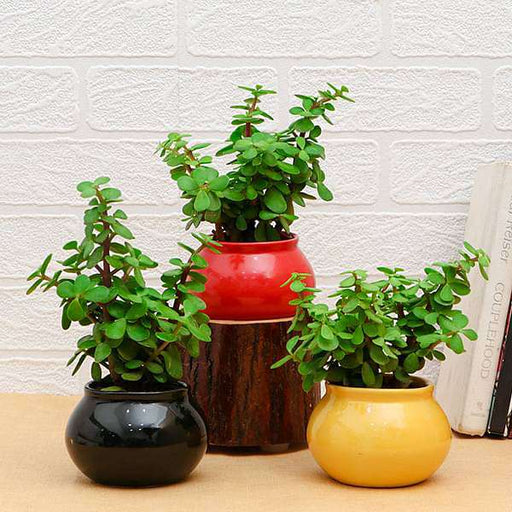
What is Rhapis humilis?
Rhapis humilis, also known as the lady palm, is a charming little plant that brings a touch of tropical elegance to your home. With its fan-shaped leaves and bushy appearance, it’s like the diva of the plant world, demanding attention while being low-maintenance. Perfect for those who want to impress without the fuss!
How do I care for Rhapis humilis?
Caring for Rhapis humilis is like nurturing a diva—give it bright, indirect light, keep the soil slightly moist, and avoid drafts. It thrives in humidity, so misting it occasionally is like giving it a spa day. Just remember, overwatering is a no-no; it prefers to sip rather than guzzle!
What are the ideal growing conditions for Rhapis humilis?
Rhapis humilis loves a cozy spot with bright, indirect light and temperatures between 65°F to 85°F. It’s not a fan of extreme conditions, so keep it away from chilly drafts and scorching sun. Think of it as a plant that enjoys a comfortable climate—like a vacation in the tropics!
Can Rhapis humilis tolerate low light?
Yes, Rhapis humilis is the ultimate low-light champion! It can survive in dim corners, making it perfect for those shadowy spots in your home. However, it won’t thrive like a superstar; it prefers a bit of light to really show off its stunning foliage. Think of it as a plant that enjoys a little spotlight!
How often should I water Rhapis humilis?
Watering Rhapis humilis is like a dance—keep it graceful! Allow the top inch of soil to dry out before giving it a drink. In the growing season, this diva likes a bit more moisture, but in winter, it prefers to take it easy. Just don’t drown it; it’s not a fan of soggy shoes!
Is Rhapis humilis pet-friendly?
Absolutely! Rhapis humilis is a pet-friendly plant, making it a great choice for homes with furry companions. It won’t cause any harm if your curious cat decides to take a nibble. Just remember, while it’s safe, it’s not a substitute for their regular meals—no plant-based diets for your pets!
How fast does Rhapis humilis grow?
Rhapis humilis is not in a hurry; it grows at a leisurely pace of about 6 to 12 inches per year. Think of it as the tortoise in the plant race—slow and steady wins the beauty contest! With patience, you’ll have a lush, bushy plant that’s worth the wait. Good things come to those who wait!
Can I propagate Rhapis humilis?
Yes, you can propagate Rhapis humilis, but it’s a bit of a challenge. The best method is division—carefully separate the clumps during repotting. It’s like splitting up a band; you need to do it right for everyone to thrive. Just remember, patience is key; new growth takes time, but it’s worth the effort!
What pests affect Rhapis humilis?
Rhapis humilis can attract a few pesky visitors like spider mites and mealybugs. Think of them as uninvited guests at a party. Keep an eye out and treat them with insecticidal soap or neem oil. A little preventive care goes a long way in keeping your plant’s social circle exclusive!
How do I fertilize Rhapis humilis?
Fertilizing Rhapis humilis is like giving it a gourmet meal—do it right, and it’ll thrive! Use a balanced liquid fertilizer every month during the growing season. Just remember, moderation is key; too much food can lead to a plant with a bit too much attitude. A well-fed plant is a happy plant!
What are the benefits of Rhapis humilis?
Rhapis humilis isn’t just a pretty face; it’s a natural air purifier! This plant helps filter out toxins, making your home a healthier place. Plus, its lush foliage adds a touch of tropical flair, turning your space into a mini paradise. Who knew a plant could be both a beauty and a health guru?
Is Rhapis humilis suitable for indoor spaces?
Absolutely! Rhapis humilis is the ultimate indoor companion, thriving in various lighting conditions and adding a splash of greenery to your home. Its compact size makes it perfect for apartments or cozy corners. It’s like having a little piece of the tropics right in your living room—without the humidity!


 White Marble Pebbles (1 kg)
₹199
White Marble Pebbles (1 kg)
₹199 Plant O Boost — Growth Booster
₹239
Plant O Boost — Growth Booster
₹239 Garden Essential Plant Care Kit
₹599
Garden Essential Plant Care Kit
₹599