What is Punica granatum bhagwa?
Punica granatum bhagwa, also known as the Bhagwa pomegranate, is a delightful fruit-bearing plant renowned for its juicy, ruby-red seeds. This beauty not only adds a splash of color to your garden but also offers a sweet-tart taste that can make your taste buds dance. Who knew gardening could be so delicious?
How do I care for Punica granatum bhagwa?
Caring for your Bhagwa pomegranate is like nurturing a diva. It loves well-drained soil, plenty of sunlight, and occasional watering. Just remember, too much water can make it sulky! Prune it occasionally to keep it looking fabulous and to encourage those luscious fruits. Your garden will thank you with a bountiful harvest!
When does Punica granatum bhagwa bear fruit?
Patience is a virtue, especially with the Bhagwa pomegranate! Typically, this plant starts bearing fruit in about 2-3 years after planting. Once it gets going, you’ll be rewarded with a dazzling display of fruits, usually ready for harvest in late summer to early fall. Get ready to impress your friends with your gardening prowess!
What are the health benefits of Punica granatum bhagwa?
The Bhagwa pomegranate is not just a pretty face; it’s a health powerhouse! Packed with antioxidants, vitamins, and minerals, it can boost your heart health, improve digestion, and even give your skin a glow-up. Eating these juicy gems is like giving your body a delicious hug. Who knew healthy could taste so good?
Can I grow Punica granatum bhagwa in a pot?
Absolutely! The Bhagwa pomegranate is a pot-friendly plant, perfect for those with limited garden space. Just ensure your pot has good drainage and is large enough for its roots to stretch out. With the right care, you’ll have a portable fruit factory that can brighten up any balcony or patio. Talk about a garden on the go!
What is the ideal climate for Punica granatum bhagwa?
The Bhagwa pomegranate thrives in warm, sunny climates. It loves temperatures between 20-30°C (68-86°F) and can tolerate some drought. If you live in a cooler area, consider giving it a cozy spot indoors during winter. This plant is like a sunbather; it just wants to soak up those rays and produce delicious fruits!
How often should I water Punica granatum bhagwa?
Watering your Bhagwa pomegranate is a balancing act. During the growing season, give it a good drink once a week, but let the soil dry out between waterings. In winter, cut back on the H2O. Overwatering can lead to root rot, and nobody wants a soggy pomegranate. Keep it thirsty, but not parched!
What pests should I watch for on Punica granatum bhagwa?
Your Bhagwa pomegranate might attract some uninvited guests like aphids, mealybugs, and spider mites. Keep an eye out for these little party crashers! A gentle spray of water or insecticidal soap can send them packing. Remember, a healthy plant is a happy plant, and you want your pomegranate to be the life of the garden party!
How do I propagate Punica granatum bhagwa?
Propagating your Bhagwa pomegranate is as easy as pie! You can do it through seeds or cuttings. For seeds, plant them in well-draining soil and keep them warm. For cuttings, snip a healthy branch, let it callous, and then plant it. With a little love and patience, you’ll have new plants sprouting like magic!
What is the best time to plant Punica granatum bhagwa?
The best time to plant your Bhagwa pomegranate is in spring, when the frost has bid adieu. This allows the plant to establish its roots and soak up the sun. If you’re in a warmer climate, you can even plant in fall. Just make sure it’s cozy enough to survive the winter chill!
Can Punica granatum bhagwa survive winter?
The Bhagwa pomegranate is a tough cookie, but it prefers to avoid the cold. In regions with harsh winters, it’s best to bring it indoors or provide some protection. If left outside, it might sulk and lose its leaves. A little winter care can ensure it bounces back in spring, ready to shine again!
What makes Punica granatum bhagwa unique?
The Bhagwa pomegranate stands out with its vibrant red fruits and sweet flavor, making it a superstar among pomegranates. Its high juice content and beautiful arils are perfect for snacking or adding to dishes. Plus, it’s a showstopper in any garden, combining beauty and bounty. Who wouldn’t want this gem in their plant collection?


 White Marble Pebbles (1 kg)
₹199
White Marble Pebbles (1 kg)
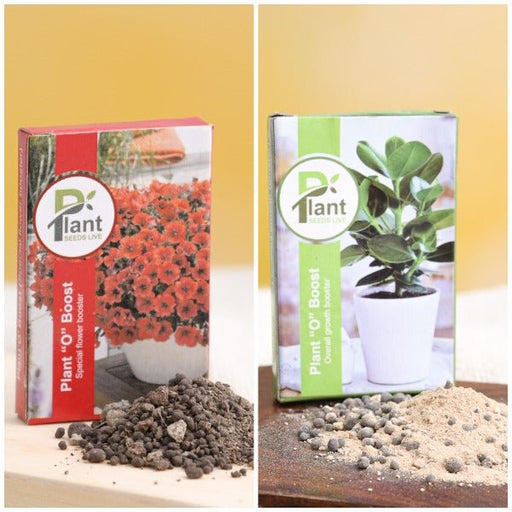
₹199 Plant O Boost — Growth Booster
₹239
Plant O Boost — Growth Booster
₹239 Garden Essential Plant Care Kit
₹599
Garden Essential Plant Care Kit
₹599