What is Polyscias crispatum?
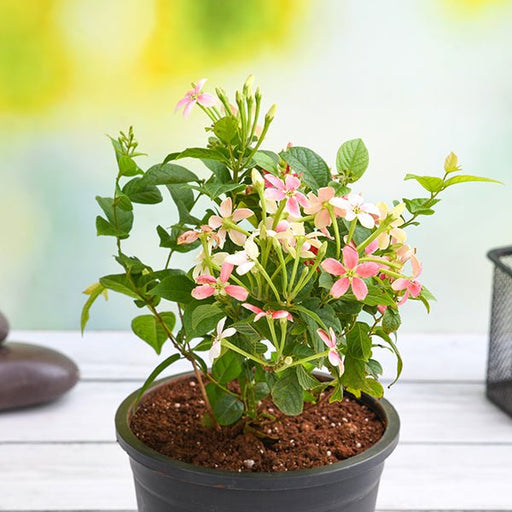
Polyscias crispatum, also known as the 'Ming Aralia,' is a tropical plant that brings a touch of exotic flair to your home. With its lush, glossy leaves and unique branching, it’s like the diva of the plant world, demanding attention while being low-maintenance. Perfect for those who want to impress without the fuss!
How do I care for Polyscias crispatum?
Caring for Polyscias crispatum is a breeze! It loves bright, indirect light and prefers to be watered when the top inch of soil is dry. Think of it as a plant that enjoys a spa day but doesn’t want to be drenched. Keep it warm and watch it thrive like the star it is!
What are the ideal growing conditions for Polyscias crispatum?
Polyscias crispatum thrives in warm, humid environments, much like a tropical vacation! Aim for temperatures between 65°F to 80°F and humidity levels above 50%. If your home resembles a desert, consider misting or using a pebble tray. Your plant will thank you with vibrant growth and a touch of drama!
Can Polyscias crispatum tolerate low light?
While Polyscias crispatum can survive in low light, it’s like a star trying to shine in a dim room—just not as dazzling! For optimal growth, provide bright, indirect light. If you must place it in low light, be prepared for slower growth and a less vibrant appearance. It’s a diva, after all!
How often should I water Polyscias crispatum?
Watering Polyscias crispatum is all about balance. Allow the top inch of soil to dry out before giving it a drink. Overwatering is a big no-no; think of it as a plant that prefers a light spritz rather than a full-on shower. Keep it hydrated, but don’t drown it!
Is Polyscias crispatum pet-friendly?
Good news for pet parents! Polyscias crispatum is considered non-toxic to cats and dogs. However, that doesn’t mean your furry friends won’t be tempted to nibble on those glossy leaves. Keep an eye on them; after all, curiosity can lead to mischief, and we don’t want any plant-related drama!
What pests should I watch for on Polyscias crispatum?
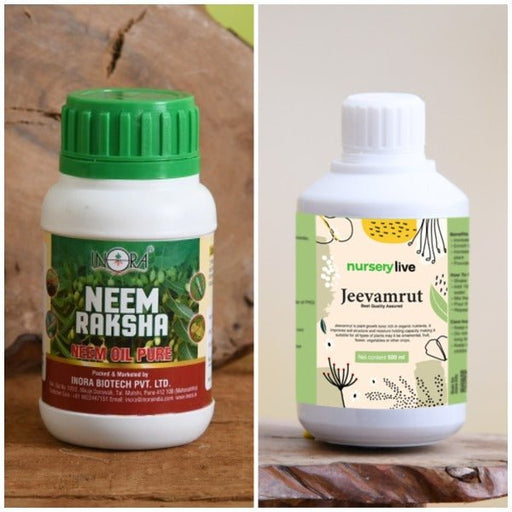
Polyscias crispatum can attract pests like spider mites and mealybugs, but don’t panic! Regularly inspect your plant and wipe its leaves to keep those pesky critters at bay. If they do show up, a gentle soap solution or neem oil can send them packing. Your plant deserves a pest-free life!
Can I propagate Polyscias crispatum?
Absolutely! Propagating Polyscias crispatum is like creating mini-divas. You can take stem cuttings and place them in water or soil. Just ensure they have a warm, humid environment to root. With a little patience, you’ll have new plants ready to strut their stuff in no time!
What is the growth rate of Polyscias crispatum?
Polyscias crispatum is a moderate grower, not a speed demon. Under ideal conditions, it can grow several inches a year. Think of it as a slow but steady racehorse, taking its time to reach the finish line. With proper care, you’ll enjoy its lush foliage without the stress of rapid growth!
Does Polyscias crispatum need fertilization?
Yes, Polyscias crispatum enjoys a good meal! Feed it with a balanced liquid fertilizer every 4-6 weeks during the growing season. Just remember, too much fertilizer can lead to a plant with more drama than growth. A little goes a long way in keeping your plant happy and healthy!
What are the common diseases affecting Polyscias crispatum?
Polyscias crispatum can face issues like root rot and leaf spot, but don’t fret! Proper watering and good air circulation can help prevent these ailments. If you spot any trouble, act fast—remove affected leaves and adjust care. Your plant will bounce back, ready to flaunt its fabulous foliage once more!
Can Polyscias crispatum be grown outdoors?
Yes, Polyscias crispatum can be grown outdoors in warm, humid climates! Just ensure it’s in a spot with filtered sunlight and protection from harsh winds. If you live in a cooler area, consider it a seasonal diva—bring it indoors when temperatures drop. It’s all about keeping your plant in its comfort zone!


 White Marble Pebbles (1 kg)
₹199
White Marble Pebbles (1 kg)
₹199 Plant O Boost — Growth Booster
₹239
Plant O Boost — Growth Booster
₹239 Garden Essential Plant Care Kit
₹599
Garden Essential Plant Care Kit
₹599