Manihot esculenta care
If you think caring for a plant is as easy as watering it and hoping for the best, think again! Manihot esculenta, also known as cassava, requires a bit more finesse. This tropical diva loves well-drained soil and plenty of sunlight. So, if you’re planning to keep it indoors, make sure it has a sunbathing spot. And don’t forget to check for pests; they can be sneakier than your cat when it comes to stealing the spotlight!
Variegated cassava benefits
Who knew that a plant could be both a beauty and a brainiac? The variegated cassava not only adds a splash of color to your garden but also boasts impressive health benefits. Packed with carbohydrates, it’s a staple in many diets. Plus, its leaves are rich in vitamins A and C. So, while you’re admiring its stunning foliage, you can also pat yourself on the back for making a nutritious choice!
Growing Manihot esculenta
Ready to channel your inner green thumb? Growing Manihot esculenta is like hosting a tropical party in your backyard. This plant thrives in warm climates, so if you live in a cooler area, consider giving it a cozy indoor spot. Just remember, it loves its space, so don’t overcrowd it with other plants. With a little patience and the right conditions, you’ll be the proud parent of a flourishing cassava plant!
Manihot esculenta propagation
Propagation is the plant equivalent of cloning, and who wouldn’t want more of this fabulous foliage? To propagate Manihot esculenta, simply take cuttings from a healthy plant and let them root in water or soil. It’s like giving your plant a chance to have mini-me’s! Just ensure they get enough sunlight and moisture, and soon you’ll have a whole family of variegated beauties.
Manihot esculenta pests
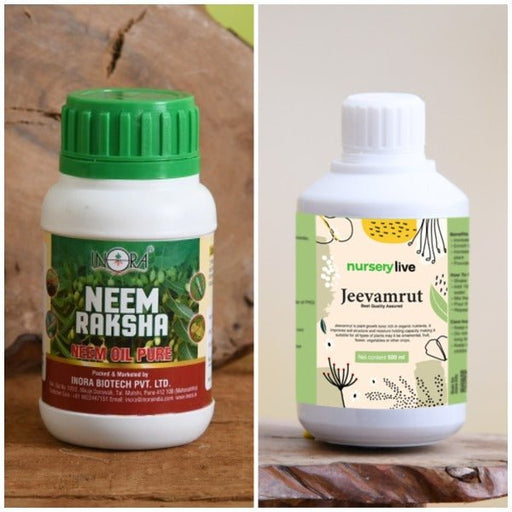
Ah, the dreaded pests! They’re like uninvited guests at a party, and they can wreak havoc on your beloved Manihot esculenta. Keep an eye out for aphids and spider mites, as they love to munch on those luscious leaves. A gentle spray of insecticidal soap or neem oil can send them packing. Remember, a healthy plant is a happy plant, and you don’t want any party crashers ruining the fun!
Manihot esculenta soil requirements
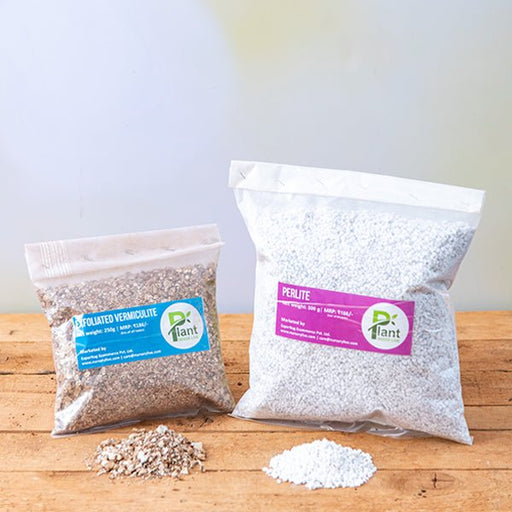
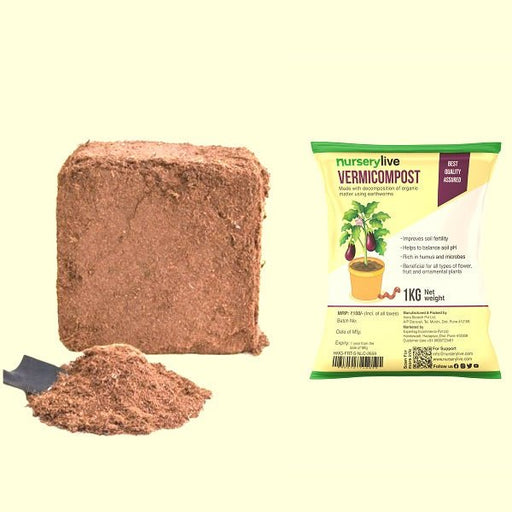
If you think all soil is created equal, think again! Manihot esculenta has specific soil requirements that would make any gardener swoon. It prefers sandy, well-draining soil that allows its roots to breathe. Heavy, compacted soil? No thanks! Mix in some organic matter to create a nutrient-rich environment, and watch your plant thrive like it’s on a tropical vacation.
Manihot esculenta sunlight needs
Sunlight is the secret ingredient to a thriving Manihot esculenta. This plant is a sun worshipper, craving at least six hours of bright light each day. If you’re growing it indoors, place it near a sunny window where it can soak up those rays. Just be careful not to let it get too much direct sunlight, or it might end up with a sunburn—yes, plants can get sunburned too!
Manihot esculenta harvesting
Harvesting Manihot esculenta is like unwrapping a present; you never know what you’re going to get! Typically, you can start harvesting the tubers about 8-12 months after planting. Just dig around the base of the plant and gently pull out those starchy treasures. But be warned: the excitement of harvesting might lead to a sudden urge to whip up some delicious cassava dishes. Get your recipes ready!
Manihot esculenta uses
The uses of Manihot esculenta are as diverse as a buffet table! From delicious tapioca pearls to gluten-free flour, this plant is a culinary superstar. Its starchy tubers can be boiled, fried, or mashed, making it a versatile ingredient in many dishes. And let’s not forget about its leaves, which can be cooked and enjoyed in various cuisines. Talk about a plant that knows how to party in the kitchen!
Manihot esculenta diseases
Just like humans, plants can catch a cold—or in this case, diseases! Manihot esculenta is susceptible to a few ailments, including root rot and leaf spot. Keeping your plant healthy with proper care and good drainage can help prevent these issues. If you notice any signs of distress, act fast! A little TLC can go a long way in keeping your plant thriving and disease-free.
Manihot esculenta companion plants
Every plant needs a buddy, and Manihot esculenta is no exception! When choosing companion plants, look for those that share similar sunlight and water needs. Consider pairing it with legumes, which can help fix nitrogen in the soil, or other tropical plants that enjoy the same warm climate. Together, they’ll create a harmonious garden that’s as lively as a tropical fiesta!


 White Marble Pebbles (1 kg)
₹199
White Marble Pebbles (1 kg)
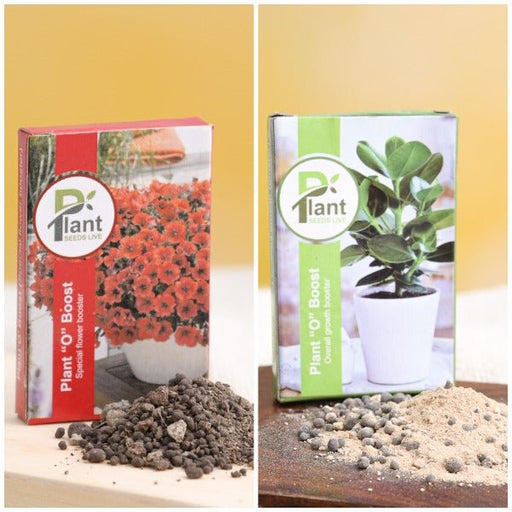
₹199 Plant O Boost — Growth Booster
₹239
Plant O Boost — Growth Booster
₹239 Garden Essential Plant Care Kit
₹599
Garden Essential Plant Care Kit
₹599