Petunia Care Tips
If you think petunias are just pretty faces, think again! These vibrant blooms require a bit of TLC to truly shine. Water them regularly, but don’t drown them—petunias prefer a well-drained soil that’s as dry as your uncle’s jokes. Fertilize every few weeks to keep them blooming like they’re auditioning for a floral beauty pageant. And remember, deadheading is essential; it’s like giving your petunias a little haircut to encourage more flowers.
Violet Petunia Varieties
When it comes to petunias, violet is the diva of the garden. With shades ranging from deep royal to soft lavender, these beauties can steal the show. The white strip adds a touch of elegance, making them the perfect choice for a garden party. Mix and match with other colors for a floral symphony that’ll have your neighbors green with envy.
Planting Petunias
Planting petunias is like setting the stage for a floral performance. Choose a sunny spot, as these sun-worshippers thrive in bright light. Dig a hole, toss in some compost, and gently place your petunia in its new home. Water it in like you’re giving it a refreshing spa day. Just remember, spacing is key; they need room to spread their petals and show off their beauty.
Petunia Soil Requirements
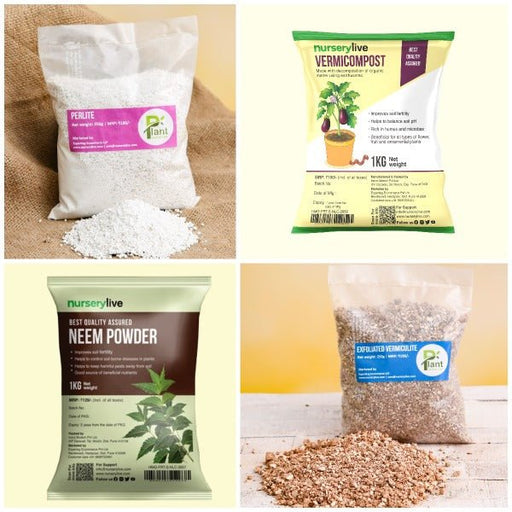
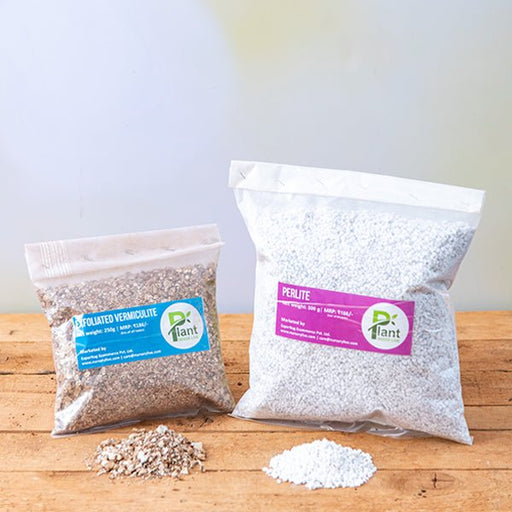
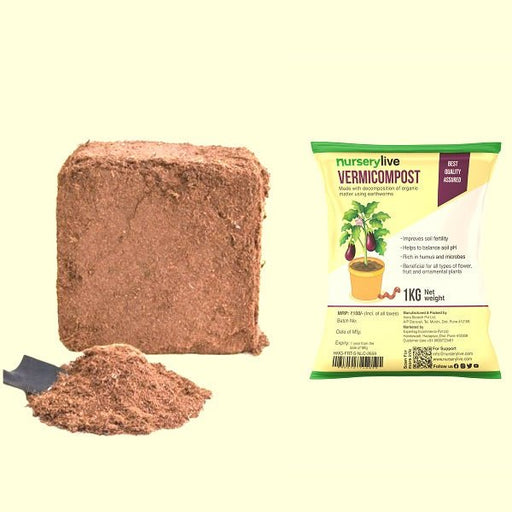
Petunias are picky about their soil, but who isn’t? They prefer a well-draining mix that’s rich in organic matter. Think of it as their five-star hotel—no soggy bottoms allowed! A pH level between 6.0 and 7.0 is ideal, so get your soil tested. If it’s too acidic, add some lime; if it’s too alkaline, a little sulfur will do the trick.
Petunia Sunlight Needs
Sunlight is the secret ingredient to a thriving petunia. These flowers bask in the sun like they’re on a tropical vacation. Aim for at least six hours of direct sunlight daily, and watch them bloom like they’re on a mission. If they start to look leggy, they’re probably not getting enough light—time to move them to a sunnier spot!
Watering Petunias
Watering petunias is an art form. Too much, and you’ll drown their dreams; too little, and they’ll wilt faster than a bad punchline. Aim for consistent moisture, allowing the top inch of soil to dry out between waterings. Early morning is the best time to hydrate them, so they can sip and shine all day long.
Petunia Fertilization
Fertilizing petunias is like giving them a boost of confidence. Use a balanced, water-soluble fertilizer every two to four weeks during the growing season. Think of it as their version of a protein shake—essential for those big, beautiful blooms. Just don’t overdo it; too much fertilizer can lead to lush foliage at the expense of flowers.
Petunia Pests and Diseases
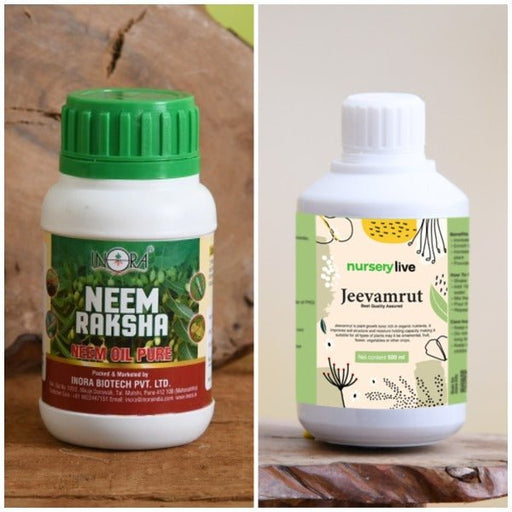
Petunias, like all stars, have their share of haters. Watch out for aphids, spider mites, and whiteflies—they’re the paparazzi of the plant world, always lurking. Keep an eye out for powdery mildew, too; it’s the uninvited guest at your garden party. Regularly inspect your plants and use insecticidal soap or neem oil to keep these pests at bay.
Petunia Companion Plants
Pairing petunias with the right companions can elevate your garden game. Consider marigolds for a pop of color and pest control, or lobelia for a cascading effect that’ll make your petunias look even more fabulous. Just remember, no drama queens—choose plants that play nice and complement each other’s beauty.
Petunia Propagation
Want to multiply your petunia empire? Propagation is the way to go! Take cuttings from healthy plants and place them in water or moist soil. In a few weeks, you’ll have new petunias ready to take center stage in your garden. It’s like cloning, but way more fun and less sci-fi.
Petunia Seasonal Care
Seasonal care for petunias is all about timing. In spring, it’s time to plant and pamper. As summer rolls in, keep them hydrated and fertilized for peak performance. When fall arrives, consider bringing them indoors if you live in a colder climate; they can be your indoor stars for the winter. Just remember, every season has its own set of rules—stay on top of them for a blooming success!


 White Marble Pebbles (1 kg)
₹199
White Marble Pebbles (1 kg)
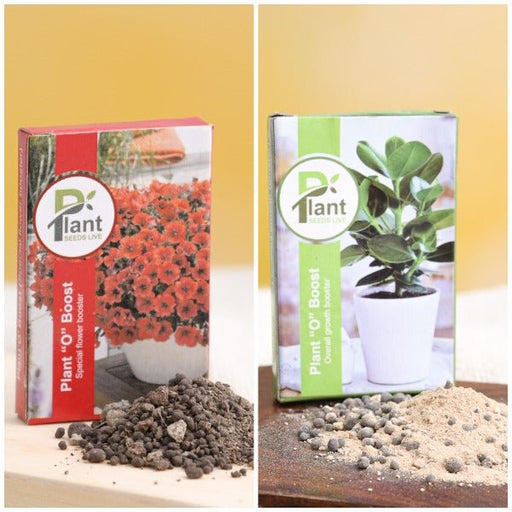
₹199 Plant O Boost — Growth Booster
₹239
Plant O Boost — Growth Booster
₹239 Garden Essential Plant Care Kit
₹599
Garden Essential Plant Care Kit
₹599