Dianthus Care
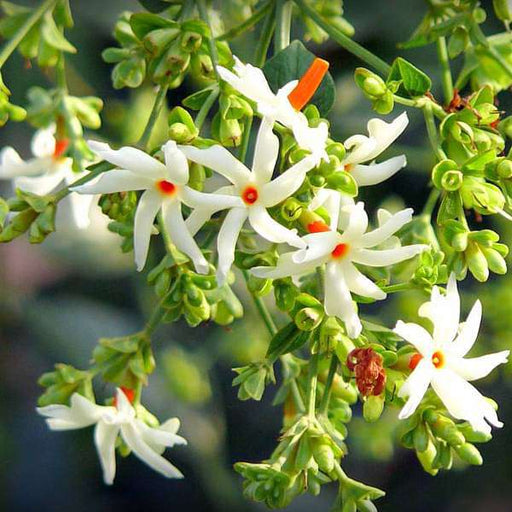
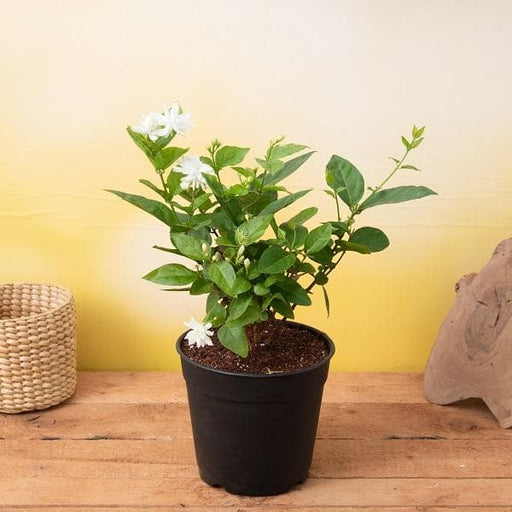
If you think caring for a plant is as easy as watering your houseplant and calling it a day, think again! Dianthus, with its charming white blooms, requires a bit of TLC. They thrive in well-drained soil and love a sunny spot, so make sure they’re not stuck in the shade like a wallflower at a dance. Regular deadheading will keep them looking fresh and fabulous, while occasional fertilization will have them blooming like they’re on a beauty pageant stage.
Dianthus Varieties
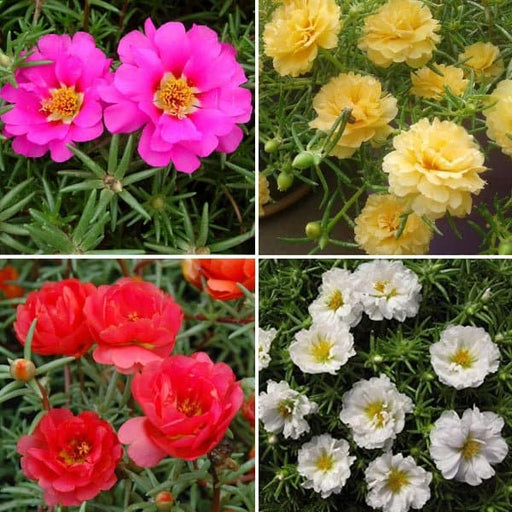
Did you know that Dianthus isn’t just a one-hit wonder? With over 300 species, these plants come in a variety of shapes, sizes, and colors. While we’re focusing on the elegant white variety, don’t overlook the pinks and reds that can add a pop of color to your garden. Each variety has its own personality, so choose wisely—after all, you wouldn’t want a drama queen in your flower bed!
Dianthus Planting Tips
Planting Dianthus is like setting up a blind date; you want to make sure the conditions are just right. Choose a spot with full sun and well-drained soil, and don’t forget to give them enough space to spread their wings—or petals, in this case. Dig a hole that’s twice the size of the root ball, and gently place your Dianthus in, as if you’re cradling a delicate treasure. Water them in, and voilà! You’ve just set them up for a blooming romance with your garden.
Dianthus Fertilization
Fertilizing your Dianthus is like giving them a gourmet meal; they’ll thrive and bloom like they’re dining at a five-star restaurant. Use a balanced, slow-release fertilizer in early spring to kickstart their growth. Just remember, too much of a good thing can be bad—over-fertilizing can lead to leggy plants that are all show and no substance. So, treat them right, and they’ll reward you with a floral feast for the eyes.
Dianthus Pests
Every garden has its villains, and for Dianthus, pests can be the ultimate party crashers. Aphids, spider mites, and thrips are just a few of the uninvited guests that might try to ruin your floral soirée. Keep an eye out for these little troublemakers and act fast! A gentle spray of insecticidal soap or neem oil can send them packing. Remember, a healthy plant is a happy plant, and happy plants don’t attract pests!
Dianthus Propagation
Want to expand your Dianthus empire? Propagation is the way to go! You can easily propagate these beauties through cuttings or division. Just take a healthy stem cutting, let it root in water or soil, and watch as it transforms into a new plant. It’s like cloning your favorite flower without the sci-fi drama. Soon, you’ll have a whole army of white Dianthus ready to take over your garden!
Dianthus Companion Plants
Pairing your Dianthus with the right companions is like finding the perfect dance partner; it can elevate the whole experience. Consider planting them alongside lavender, salvia, or even some cheerful marigolds. These companions not only complement the aesthetic but also help deter pests. Just like a good friend, they’ll have your back while you steal the show with your stunning white blooms.
Dianthus Watering
Watering your Dianthus is a delicate balance—too little, and they’ll wilt like a sad puppy; too much, and they’ll drown faster than a fish out of water. Aim for consistent moisture, allowing the soil to dry out slightly between waterings. Early morning is the best time to give them a drink, so they can soak it all in before the sun turns up the heat. Remember, a well-hydrated Dianthus is a happy Dianthus!
Dianthus Sunlight Requirements
If Dianthus were a person, they’d be the sunbather at the beach, soaking up rays and living their best life. These plants thrive in full sun, so make sure they’re not stuck in the shade like a wallflower at a party. Aim for at least six hours of sunlight a day, and watch them bloom like they’re auditioning for a floral fashion show.
Dianthus Soil Preferences
When it comes to soil, Dianthus is a bit of a diva. They prefer well-drained, sandy or loamy soil that doesn’t hold onto water like a clingy ex. A pH level between 6.0 and 7.0 is ideal, so if your soil is too acidic or alkaline, it’s time for a little makeover. Mix in some compost or perlite to improve drainage, and your Dianthus will be living the high life in no time.
Dianthus Seasonal Care
Just like you change your wardrobe with the seasons, your Dianthus needs a little seasonal TLC too. In spring, it’s all about planting and fertilizing; in summer, keep an eye on watering and deadheading. As fall approaches, prepare them for winter by cutting back the foliage and mulching to protect their roots. With a little seasonal care, your Dianthus will be the star of your garden all year round!


 White Marble Pebbles (1 kg)
₹199
White Marble Pebbles (1 kg)
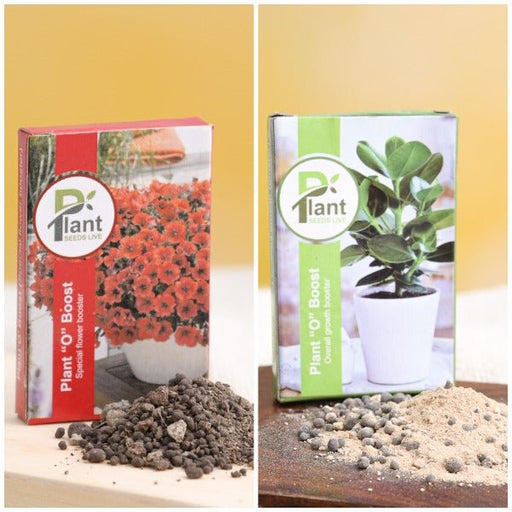
₹199 Plant O Boost — Growth Booster
₹239
Plant O Boost — Growth Booster
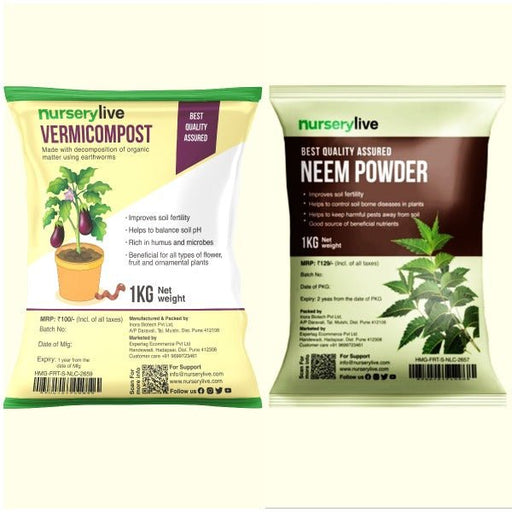
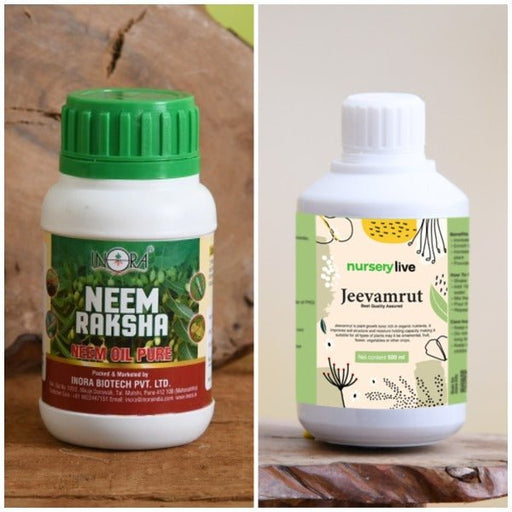
₹239 Garden Essential Plant Care Kit
₹599
Garden Essential Plant Care Kit
₹599