Skip to content

Dianthus (White Pink) - Plant

Save 28% Save 28%
Original price β‚Ή 359
Original price β‚Ή 359 - Original price β‚Ή 359
Original price β‚Ή 359
Current price β‚Ή 259
β‚Ή 259 - β‚Ή 259
Current price β‚Ή 259

(MRP Inclusive of all taxes)

Availability:
In stock

Why it’s special?

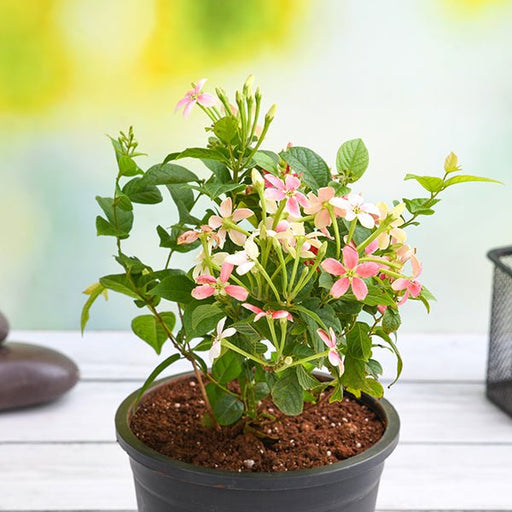
  • Pink and white blooms
  • Perfect for hanging pots
  • Blooms summer through winter
  • Compact pot-friendly growth
  • Balcony and terrace ready

Complete your plant care

  • White Marble Pebbles (1 kg) β‚Ή199
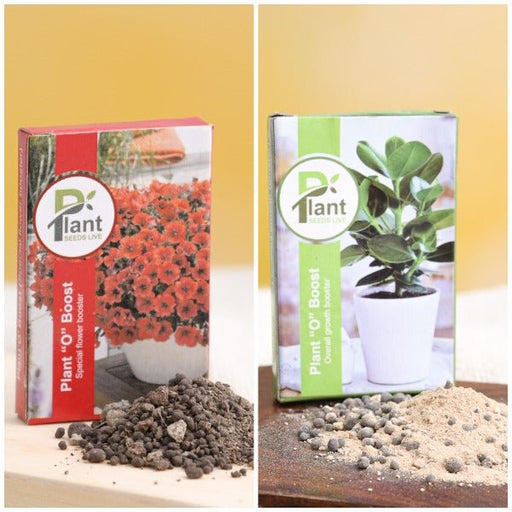
  • Plant O Boost β€” Growth Booster β‚Ή239
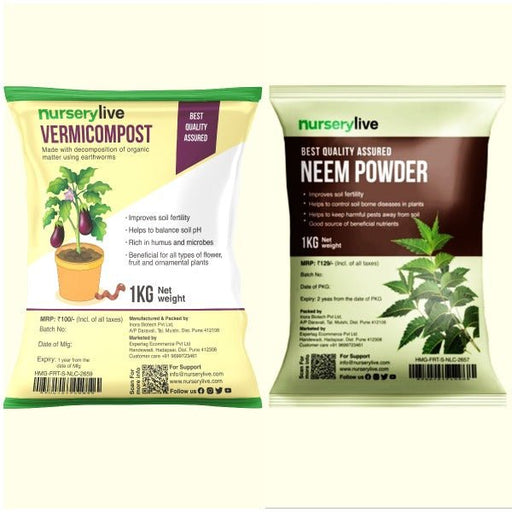
  • Garden Essential Plant Care Kit β‚Ή599

Shipping : β‚Ή79 for the entire order

Country of origin: India

Dianthus (White Pink) - Plant

The Dianthus (White Pink), commonly known as the Pink or Carnation, is a stunning perennial plant that enchants with its delicate, frilled petals and sweet fragrance. This variety showcases a beautiful blend of white and soft pink hues, making it a perfect addition to any garden or landscape. With a blooming season that lasts from late spring to early summer, the Dianthus not only adds visual appeal but also attracts pollinators, enhancing biodiversity.

What makes the Dianthus (White Pink) truly special is its rich history and versatility. Used for centuries in various cultures, these flowers symbolize love and admiration, making them a popular choice for bouquets and floral arrangements. Additionally, they are known for their resilience, thriving in various soil types and conditions, which makes them an excellent choice for both novice and experienced gardeners.

One of the standout features of the Dianthus (White Pink) is its ability to bloom profusely with minimal care. This hardy plant is drought-tolerant and can thrive in poor soil, making it an eco-friendly choice for sustainable gardening. Its fragrant blooms not only beautify your space but also contribute positively to the environment by attracting beneficial insects.

Growing Instructions:

  • Plant in well-drained soil with a pH of 6.0 to 7.0.
  • Choose a location that receives full sun (6-8 hours of sunlight daily).
  • Space plants 12-18 inches apart to allow for growth.
  • Water regularly, allowing the soil to dry out between waterings.

Care Instructions:

  • Deadhead spent blooms to encourage new growth.
  • Fertilize with a balanced fertilizer every 4-6 weeks during the growing season.
  • Cut back the plant in late fall to promote healthy growth in spring.
  • Monitor for pests like aphids and treat as necessary.

Uses:

  • Ideal for borders, rock gardens, and container planting.
  • Perfect for cut flower arrangements and bouquets.
  • Can be used in cottage gardens for a charming aesthetic.
  • Attracts pollinators, enhancing garden biodiversity.

Fun Facts:

  • Dianthus flowers have been cultivated for over 2,000 years, with origins tracing back to the Mediterranean region.
  • The name "Dianthus" comes from the Greek words "dios" (divine) and "anthos" (flower), symbolizing their beauty.
  • These flowers are edible and can be used to garnish salads or desserts.
  • Dianthus is known for its ability to thrive in poor soil, making it a sustainable choice for eco-conscious gardeners.

Trending Collections

Dianthus Care

If you think caring for a plant is as easy as watering your houseplant and calling it a day, think again! Dianthus, especially the charming White Pink variety, requires a bit of TLC. They thrive in well-drained soil and love a sunny spot, so make sure to give them the royal treatment. A little deadheading here and there will keep them blooming like the star of the garden show. Remember, these beauties are not just pretty faces; they need your attention to keep their petals pristine!

Dianthus Varieties

When it comes to Dianthus, variety is the spice of life! From the classic pinks to the striking whites, these plants come in a delightful array of colors and forms. The White Pink variety is like the elegant cousin at a family reunionβ€”always turning heads and stealing the spotlight. Explore the different types, and you’ll find that each has its own personality, making your garden a vibrant tapestry of color and charm.

Dianthus Planting Tips

Planting Dianthus is like setting the stage for a floral performance. Choose a sunny spot, prepare the soil, and give them enough space to spread their wingsβ€”err, petals! Dig a hole, toss in some compost, and gently place your Dianthus in its new home. Water them in, and voilΓ ! You’ve just created a botanical masterpiece. Just remember, they prefer to be on the drier side, so don’t drown them in your enthusiasm!

Dianthus Soil Requirements

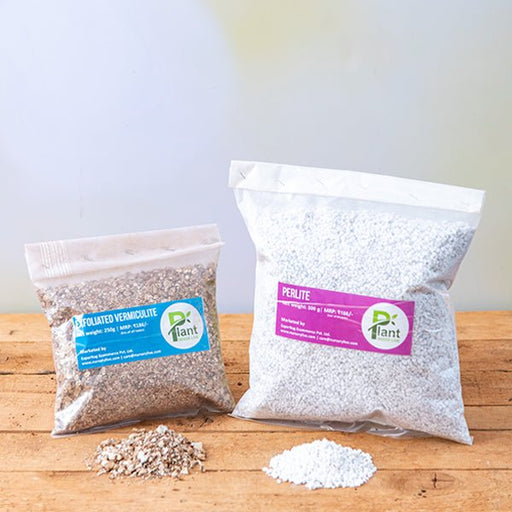
If you think all soil is created equal, think again! Dianthus has a penchant for well-drained, slightly alkaline soil. They’re not fans of soggy feet, so make sure to mix in some sand or perlite to keep things airy. A little pH testing can go a long way in ensuring your White Pink Dianthus feels right at home. After all, a happy plant is a blooming plant, and who doesn’t want a garden full of smiles?

Dianthus Fertilization

Fertilizing your Dianthus is like giving them a gourmet mealβ€”just the right amount can make them flourish! A balanced, slow-release fertilizer in early spring will set the stage for a summer of stunning blooms. But beware of overindulgence; too much fertilizer can lead to leggy growth and fewer flowers. Think of it as a fine dining experience: a little goes a long way, and moderation is key to keeping your White Pink Dianthus looking fabulous.

Dianthus Pruning

Pruning your Dianthus is like giving them a stylish haircutβ€”snip, snip, hooray! Regular deadheading encourages new blooms and keeps your plant looking fresh. Don’t be shy; trim back any dead or wilted flowers to promote healthy growth. Just remember, a little pruning goes a long way, so don’t turn your Dianthus into a buzz cut! With the right touch, your White Pink variety will be the envy of the neighborhood.

Dianthus Pests

Every garden has its villains, and for Dianthus, pests can be a real buzzkill. Aphids, spider mites, and thrips are the usual suspects, but fear not! A little neem oil or insecticidal soap can send these intruders packing. Keep an eye out for any signs of trouble, and act fast. After all, you wouldn’t let a party crasher ruin your garden soirΓ©e, would you? Protect your White Pink Dianthus like the precious gem it is!

Dianthus Companion Plants

Pairing your White Pink Dianthus with the right companions can create a garden that’s the talk of the town! Think of them as the perfect sidekick to your floral superhero. They thrive alongside lavender, salvia, and even some ornamental grasses. These companions not only enhance the beauty of your garden but also help deter pests. It’s like forming a botanical Avengers teamβ€”together, they’ll fight off the bad guys and look fabulous doing it!

Dianthus Watering Needs

Watering your Dianthus is a delicate danceβ€”too much, and you’ll drown them; too little, and they’ll wilt in despair. These plants prefer to dry out between waterings, so let the top inch of soil be your guide. A good rule of thumb is to water deeply but infrequently. Think of it as a spa day for your plantsβ€”refreshing but not overwhelming. With the right hydration, your White Pink Dianthus will be the belle of the ball!

Dianthus Sunlight Requirements

Sunlight is the secret ingredient to a thriving Dianthus! These sun-loving plants bask in the glow of full sun, so make sure to give them a prime spot in your garden. They’ll reward you with vibrant blooms and lush foliage, turning your outdoor space into a floral paradise. Just remember, too much shade can lead to sad, leggy plants. So, let your White Pink Dianthus soak up those rays and shine like the star it is!

Dianthus Seasonal Care

Seasonal care for your Dianthus is like preparing for a fashion showβ€”each season brings new challenges and opportunities! In spring, it’s all about planting and fertilizing. Summer is for watering and deadheading, while fall calls for a little pruning to prepare for winter. And don’t forget to protect them from frost! With a little seasonal TLC, your White Pink Dianthus will strut its stuff all year long, making your garden the envy of the neighborhood.

Save 40% with Gardening Solutions

You may also need

View All

Plant care & growing guide

These Dianthus offer a mix of white, pink, and multi-coloured blooms from April to November and are moderately easy to grow. Ideal for pots and hanging baskets, they're perfect for balconies and terraces.

Light
Dianthus grow in full sun to partial shade. They adapt well to various light conditions and bloom more abundantly with adequate brightness.
Water
Keep soil moist during the growing season. Once established, they're drought-tolerant and need less frequent watering.
Soil & Feeding
Plant in loamy soil with a pH of 6.5 to 8.0. Use organic fertilizer during the growing season to maintain vigour and blooming.
Temperature & Humidity
Dianthus bloom best during spring and autumn when temperatures are moderate. Provide afternoon shade during intense Indian summers.
Pro Tips
Regular deadheading promotes continuous flowering. Their compact, spreading habit makes them excellent for hanging pots and compact spaces.

Frequently asked questions

What is Dianthus (White Pink) - Plant?
Dianthus (White Pink) is a charming perennial flower known for its delightful pink and white blooms. Often called "pinks," these beauties are not just a pretty face; they’re tough cookies that thrive in various conditions, making them the perfect addition to any garden. Who knew elegance could be so resilient?
How do I care for Dianthus (White Pink)?
Caring for Dianthus (White Pink) is like pampering a divaβ€”just the right amount of sun, water, and well-drained soil. They love full sun but can tolerate a bit of shade. Water them moderately, and they’ll reward you with a floral show that’ll make your neighbors green with envy!
When does Dianthus (White Pink) bloom?
Dianthus (White Pink) blooms from late spring to early summer, putting on a floral performance that lasts for weeks. These show-stoppers will have your garden looking like a floral runway, strutting their stuff in shades of pink and white. Just be ready to take a lot of pictures!
Can I grow Dianthus (White Pink) in pots?
Absolutely! Dianthus (White Pink) loves the spotlight and can thrive in pots. Just ensure they have enough drainage and a sunny spot to bask in. With the right care, your potted Dianthus will be the talk of the patio, proving that good things come in small, colorful packages!
Is Dianthus (White Pink) deer-resistant?
Yes, indeed! Dianthus (White Pink) is not on the deer’s menu, making it a smart choice for gardens in deer-prone areas. These flowers have a spicy scent that keeps the munching munchkins at bay. So, plant with confidence and let your garden flourish without the fear of being nibbled!
How often should I water Dianthus (White Pink)?
Water your Dianthus (White Pink) when the top inch of soil feels dry. They prefer a moderate drink rather than a soaking. Think of it as giving them a refreshing spa dayβ€”just enough to keep them happy without drowning their roots. Overwatering is a no-no; they’re not fans of soggy shoes!
What soil is best for Dianthus (White Pink)?
Dianthus (White Pink) thrives in well-drained, sandy or loamy soil. They’re not picky, but they do appreciate a little organic matter mixed in for good measure. Think of it as a gourmet meal for your plantsβ€”rich, nutritious, and oh-so-delicious for their roots!
Can I propagate Dianthus (White Pink)?
Yes, you can! Propagating Dianthus (White Pink) is as easy as pie. You can do it through cuttings or division. Just snip a healthy stem or divide an established plant, and you’ll have new blooms in no time. It’s like cloning your favorite flowerβ€”who wouldn’t want more of that beauty?
Are Dianthus (White Pink) annual or perennial?
Dianthus (White Pink) is a perennial superstar, returning year after year to grace your garden with its lovely blooms. They’re like that friend who never leavesβ€”always there to brighten your day. Just give them a little TLC, and they’ll keep coming back for an encore!
What pests affect Dianthus (White Pink)?
Dianthus (White Pink) can attract a few pesky visitors like aphids and spider mites. But fear not! A gentle spray of water or insecticidal soap can send them packing. Think of it as a bouncer for your gardenβ€”keeping unwanted guests at bay while your flowers shine!
Can Dianthus (White Pink) tolerate drought?
Yes, they can! Once established, Dianthus (White Pink) is quite drought-tolerant. They’re like the cool kids who don’t need constant attention. Just remember, a little water during dry spells will keep them looking fabulous. So, let them strut their stuff while you enjoy a well-deserved break!
What colors do Dianthus (White Pink) come in?
Dianthus (White Pink) primarily flaunts shades of pink and white, but they can also surprise you with variations and patterns. Think of them as the fashionistas of the flower world, always ready to show off their latest looks. With these blooms, your garden will be a colorful runway!
Fully-Grown Plants

Nursery-mature, not 4-inch saplings

Next-Day Delivery

At your door tomorrow β€” not a 4–7 day wait

Nursery-Fresh

Ready to flourish, no growing-in

Lowest Prices

Straight from local growers