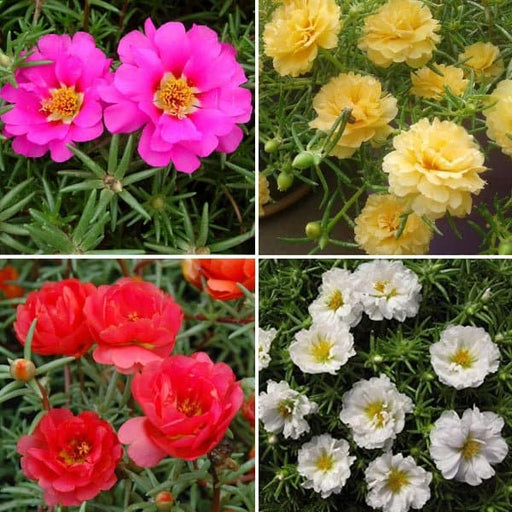
What is a Dahlia (White) plant?
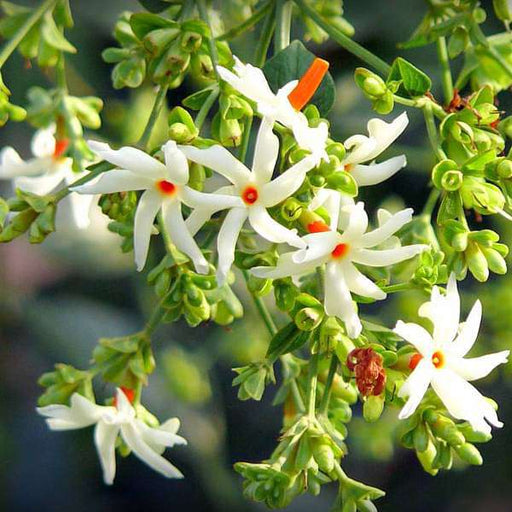
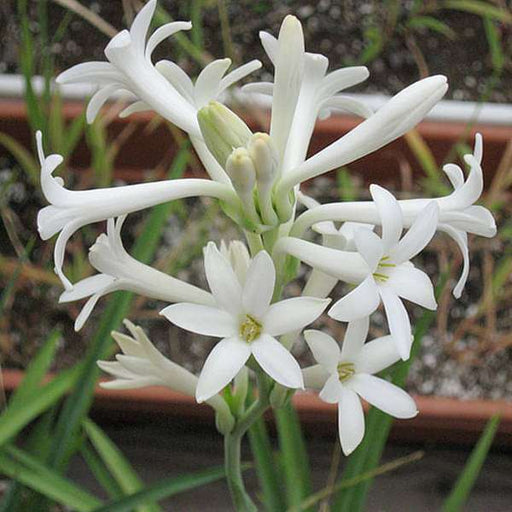
Ah, the Dahlia (White) plant! It’s like the elegant debutante of the garden, flaunting its pristine white petals. This perennial beauty blooms from summer to fall, adding a touch of sophistication to any landscape. With its bushy growth and vibrant personality, it’s the perfect choice for those who want to impress their neighbors.
How do I care for my Dahlia (White) plant?
Caring for your Dahlia (White) is like nurturing a diva. Provide well-drained soil, plenty of sunlight, and regular watering—just not a flood! Fertilize every few weeks to keep it happy, and don’t forget to stake it if it gets too tall. With a little TLC, it’ll reward you with stunning blooms.
When is the best time to plant Dahlia (White)?
Timing is everything! Plant your Dahlia (White) after the last frost, when the soil warms up—typically in late spring. Think of it as sending your plant off to a summer vacation. It’ll thrive in the sunshine and reward you with gorgeous blooms by mid-summer, just in time for garden parties!
How often should I water my Dahlia (White)?
Watering your Dahlia (White) is like giving it a refreshing drink after a workout. Aim for about an inch of water per week, adjusting for rain. Keep the soil moist but not soggy—nobody likes wet feet! A good rule of thumb is to check the top inch of soil; if it’s dry, it’s time to hydrate.
What type of soil is best for Dahlia (White)?
Dahlia (White) plants are picky about their soil, but who isn’t? They prefer well-draining, loamy soil rich in organic matter. Think of it as a five-star hotel for roots! A pH of 6.0 to 7.0 is ideal. If your soil is heavy clay, consider amending it with compost to keep those roots happy.
Do Dahlia (White) plants attract pests?
Ah, the age-old question of pests! Dahlia (White) plants can attract aphids, slugs, and spider mites—those uninvited garden guests. But fear not! Regular inspections and a good spray of insecticidal soap can keep them at bay. A healthy plant is less appealing to pests, so keep it well-fed and watered for a pest-free party!
Can I grow Dahlia (White) in pots?
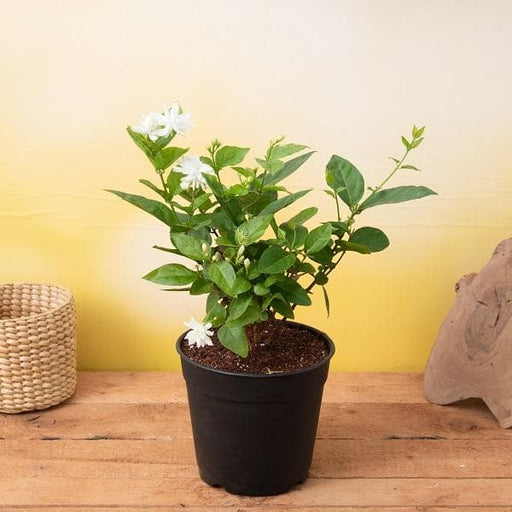
Absolutely! Dahlia (White) plants are like the social butterflies of the plant world—they love to mingle in pots. Just ensure your container has good drainage and is large enough for the roots to spread. With the right care, your potted Dahlia will bloom beautifully, making your patio the envy of the neighborhood.
How tall do Dahlia (White) plants grow?
Dahlia (White) plants can reach heights of 2 to 4 feet, depending on the variety. They’re like the tall, graceful models of the garden, standing proud and showcasing their stunning blooms. Just make sure to give them enough space to strut their stuff without overshadowing their shorter companions!
When do Dahlia (White) plants bloom?
Get ready for a floral fiesta! Dahlia (White) plants typically bloom from mid-summer to the first frost. With their stunning white petals, they’ll be the stars of your garden, attracting compliments and maybe even a few butterflies. Just sit back, relax, and enjoy the show as they dazzle your guests!
How do I propagate Dahlia (White) plants?
Propagation is like matchmaking for plants! You can propagate Dahlia (White) through tubers or cuttings. For tubers, simply divide them in spring, ensuring each piece has an eye. For cuttings, snip a healthy stem, root it in water or soil, and watch it grow. Soon, you’ll have a whole family of Dahlias!
Are Dahlia (White) plants deer-resistant?
Dahlia (White) plants are not exactly on the deer’s “do not eat” list. While they may not be their first choice, hungry deer might still take a nibble. To keep them at bay, consider using repellents or planting alongside deer-resistant companions. After all, nobody wants their garden to become a deer buffet!
How do I store Dahlia (White) tubers for winter?
Storing Dahlia (White) tubers is like tucking them in for a cozy winter nap. After the first frost, dig them up, clean off the soil, and let them dry. Store them in a cool, dark place in peat moss or sawdust. Come spring, they’ll wake up refreshed and ready to bloom again!


 White Marble Pebbles (1 kg)
₹199
White Marble Pebbles (1 kg)
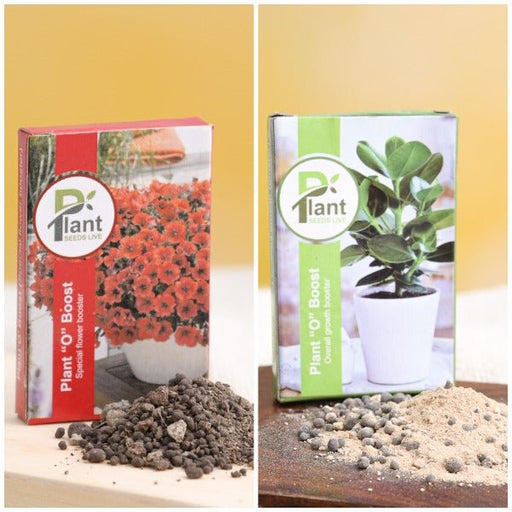
₹199 Plant O Boost — Growth Booster
₹239
Plant O Boost — Growth Booster
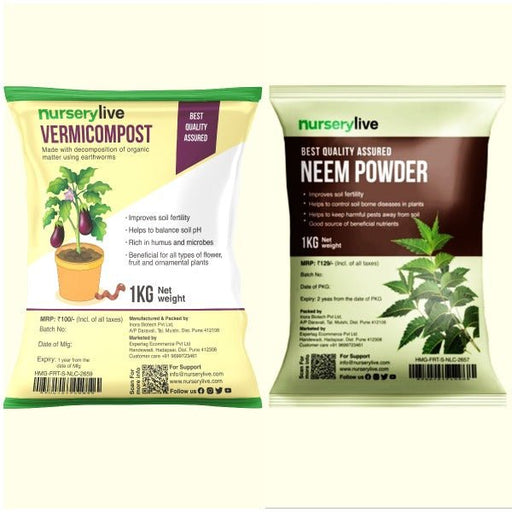
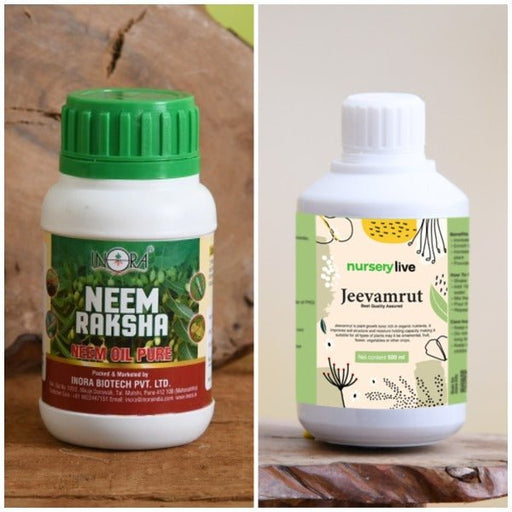
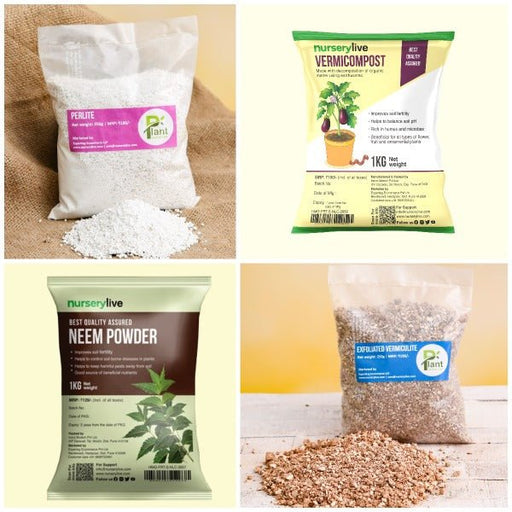
₹239 Garden Essential Plant Care Kit
₹599
Garden Essential Plant Care Kit
₹599